Black Renaissance: The 20 Best Black Movies of the 21st Century
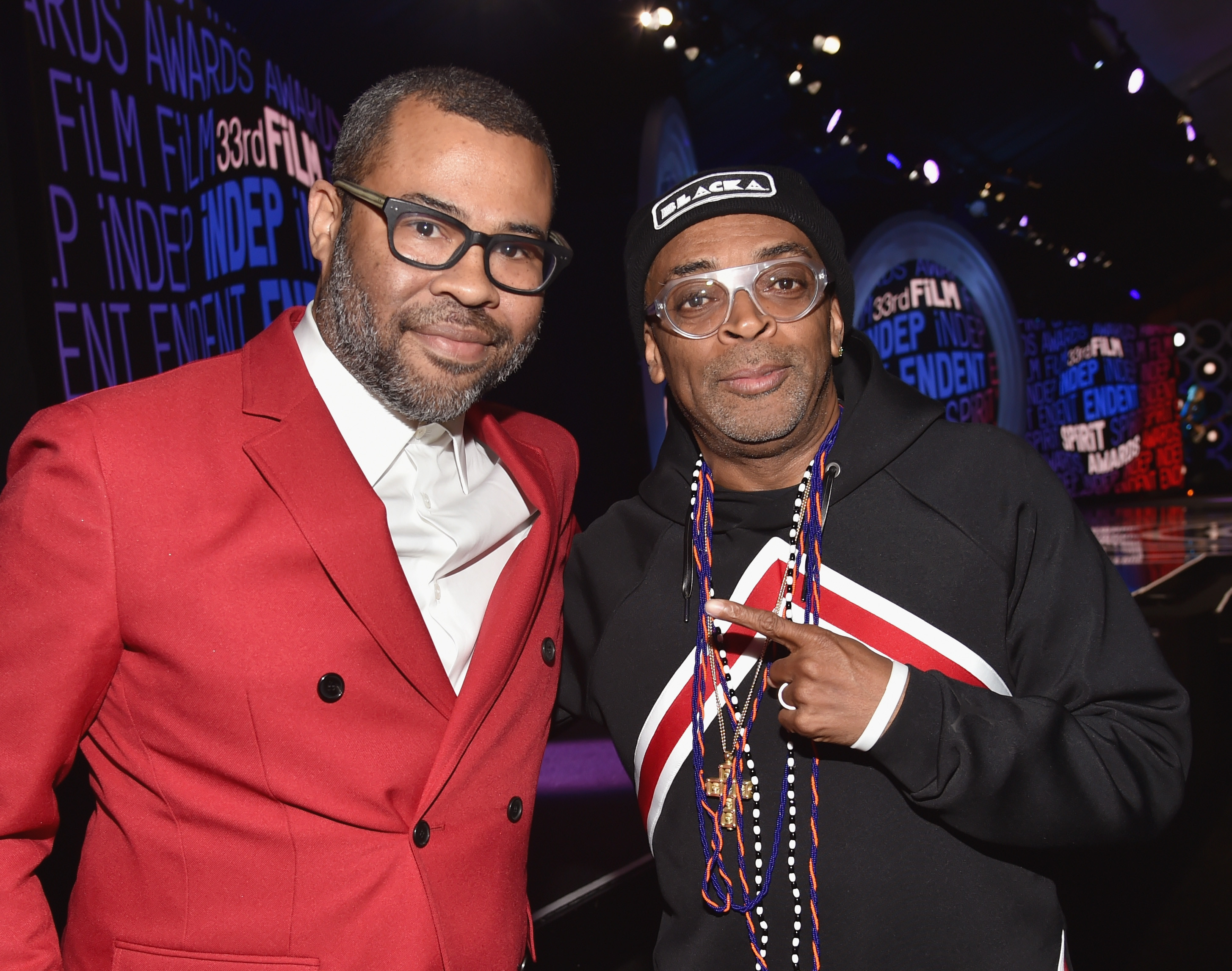
The '90s marked a significant period for Black filmmakers, setting the stage for creative growth in the 21st century. Directors like Spike Lee, John Singleton, the Hughes Brothers, and F. Gary Gray laid a strong foundation for the next generation of filmmakers to build upon. The 21st century saw an increase in recognition for Black directors at the Oscars, with Ryan Coogler's film "Sinners" making history in 2025 by receiving 16 nominations and winning four, including Best Original Screenplay and Best Actor for Coogler and Michael B. Jordan, respectively. Coogler's success continued with the box office hit "Black Panther," grossing $1.35 billion globally in 2018. Additionally, Ava DuVernay became the first Black woman to direct a film with a $100 million budget with Disney's "A Wrinkle In Time."
While established filmmakers like Spike Lee and John Singleton continued to elevate the art form in the 21st century, new Black voices such as Barry Jenkins, Gina Prince-Bythewood, and Boots Riley expanded the idea of a "Black movie." The 21st century witnessed Black creators exploring innovative ways to bring authentic Black stories to the world, leading to the emergence of the 20 best Black movies of the century. These films showcased a diverse range of narratives and perspectives, reflecting the richness and complexity of Black experiences.
"Girls Trip," directed by Malcolm D. Lee and starring Regina Hall, Tiffany Haddish, and Queen Latifah, follows four college friends reuniting at Essence Fest in New Orleans for a raucous comedy adventure. The film was a box office success, grossing almost $141 million on a $19 million budget, and introduced Tiffany Haddish to a wider audience with her standout performance as Dina. "Brown Sugar," directed by Rick Famuyiwa and featuring Taye Diggs and Sanaa Lathan, explores the evolving world of hip-hop through a romantic comedy lens, offering a fresh take on adult friendships and relationships.
"Sorry to Bother You," directed by Boots Riley and starring LaKeith Stanfield and Tessa Thompson, delves into the absurdities of corporate culture and racial dynamics, blending dark comedy with social commentary. The film takes unexpected twists and turns, challenging viewers to confront uncomfortable truths while delivering a satisfying conclusion. "Pariah," directed by Dee Rees and featuring Adepero Oduye, offers a poignant coming-of-age story about a teenage girl navigating her sexuality and identity, highlighting the challenges and triumphs of self-discovery.
"Two Dope Queens," directed by Lawrence Lamont and starring Keke Palmer and SZA, follows two friends on a wild journey through Los Angeles as they try to raise money to avoid eviction. The film combines humor and heart, showcasing the comedic talents of Palmer and SZA in a refreshing and entertaining narrative. "Love and Basketball," directed by Gina Prince-Bythewood and featuring Omar Epps and Sanaa Lathan, tells a compelling love story set against the backdrop of basketball, offering a nuanced portrayal of Black romance and ambition.
"Atlantics," directed by Mati Diop, explores themes of love and loss in the context of Senegalese youth migrating to Europe, blending supernatural elements with gritty realism. The film's haunting visuals and evocative storytelling captivate audiences, creating a unique cinematic experience. "Baby Boy," directed by John Singleton and starring Tyrese Gibson and Taraji P. Henson, offers a raw and authentic portrayal of young Black men grappling with responsibility and maturity. The film's candid depiction of relationships and struggles resonates with viewers, reflecting the complexities of urban life.
"Black Dynamite," directed by Scott Sanders and featuring Michael Jai White, pays homage to blaxploitation films with a satirical twist, combining action and comedy in a stylish and entertaining package. The film's retro aesthetic and sharp humor make it a standout in the genre, appealing to fans of classic cinema and modern comedy alike. "Miss Juneteenth," directed by Channing Godfrey Peoples and starring Nicole Beharie, explores the legacy of Juneteenth and the challenges faced by Black women striving for success and recognition. The film's heartfelt storytelling and authentic performances shed light on the importance of cultural traditions and personal aspirations.
"Da 5 Bloods," directed by Spike Lee and featuring Delroy Lindo and Chadwick Boseman, follows a group of Black Army veterans returning to Vietnam to confront their past and reclaim lost treasure. The film's powerful narrative and poignant themes resonate with audiences, highlighting the enduring impact of war and friendship. "Selma," directed by Ava DuVernay and starring David Oyelowo as Dr. Martin Luther King, Jr., chronicles the historic marches from Selma to Montgomery in 1965, showcasing the resilience and determination of the civil rights movement. The film's stirring performances and timely message of justice and equality make it a standout in the genre.
"Judas and the Black Messiah," directed by Shaka King and featuring Daniel Kaluuya and LaKeith Stanfield, tells the story of Fred Hampton and the FBI informant who betrayed him, shedding light on the complexities of power and betrayal. The film's gripping narrative and stellar performances captivate viewers, offering a compelling exploration of political activism and resistance. "Nickel Boys," directed by RaMell Ross, offers a unique perspective on the horrors of a reform school in 1960s Florida, using a first-person narrative to immerse audiences in the experiences of two young men. The film's innovative storytelling and powerful themes of resilience and survival make it a standout in the genre.
"Bamboozled," directed by Spike Lee and starring Damon Wayans, explores the legacy of minstrelsy and racial stereotypes in media, challenging viewers to confront uncomfortable truths about representation and exploitation. The film's bold and provocative approach to social commentary sparks important conversations about race and identity in contemporary society. "Nope," directed by Jordan Peele and featuring Daniel Kaluuya and Allison Williams, offers a fresh take on the horror genre with a thrilling and suspenseful narrative about a mysterious UFO sighting. The film's inventive storytelling and chilling atmosphere create a captivating cinematic experience that keeps audiences on the edge of their seats.
"If Beale Street Could Talk," directed by Barry Jenkins and starring KiKi Layne and Stephan James, adapts James Baldwin's novel into a poignant and powerful love story set against the backdrop of racial injustice. The film's exquisite cinematography and heartfelt performances illuminate the enduring power of love and resilience in the face of adversity. "Black Panther," directed by Ryan Coogler and featuring Chadwick Boseman and Michael B. Jordan, revolutionizes the superhero genre with its groundbreaking representation of Black excellence and empowerment. The film's cultural impact and box office success solidify its place as a landmark achievement in cinema.
"Training Day," directed by Antoine Fuqua and starring Denzel Washington and Ethan Hawke, showcases Washington's commanding performance as a corrupt detective leading a rookie cop on a dangerous journey through the criminal underworld. The film's intense action and moral complexity make it a standout in the crime thriller genre, earning Washington a well-deserved Academy Award for Best Actor. "Get Out," directed by Jordan Peele and starring Daniel Kaluuya and Allison Williams, redefines the horror genre with its chilling narrative about racism and exploitation. The film's sharp social commentary and gripping suspense captivate audiences, establishing Peele as a visionary filmmaker with a unique voice.
In conclusion, the 21st century has seen a renaissance in Black cinema, with filmmakers pushing boundaries and challenging conventions to tell authentic and compelling stories. From powerful dramas to innovative comedies, these films reflect the diversity and richness of Black experiences, resonating with audiences around the world. As Black filmmakers continue to break new ground and inspire future generations, the legacy of these 20 best Black movies of the century will endure as timeless classics in cinematic history.