Challenging the Status Quo: A Critical Analysis of 'One Battle After Another' by Paul Thomas Anderson
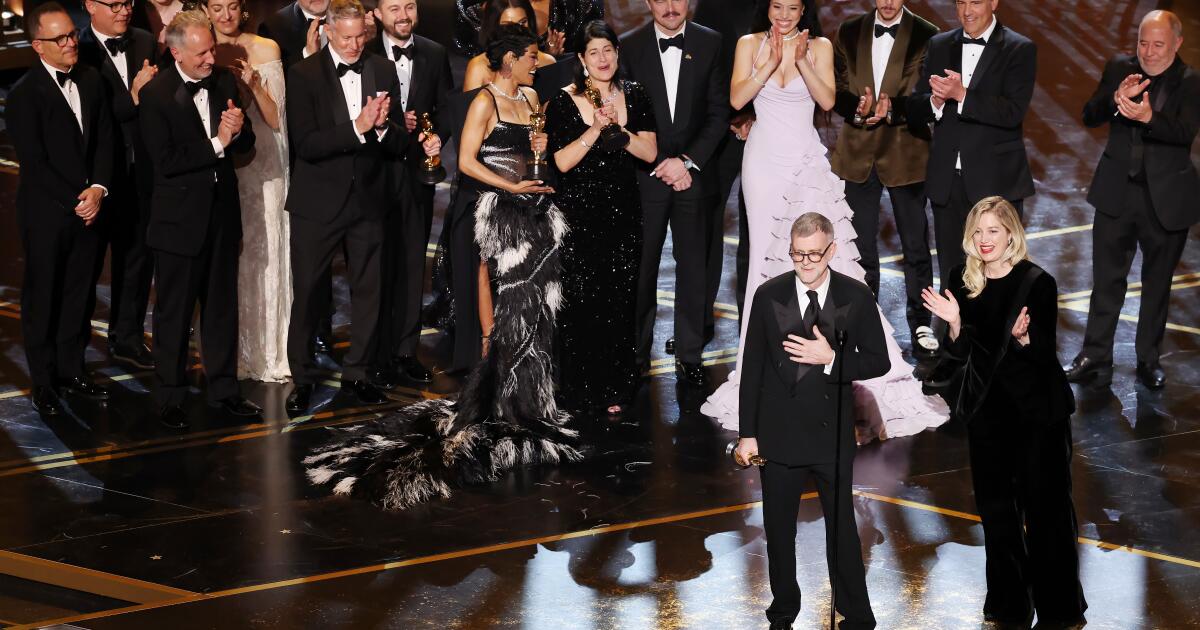
The 98th Academy Awards celebrated the victory of "One Battle After Another" as the best picture, directed by Paul Thomas Anderson. The film, set in California, portrays revolutionaries challenging a white supremacist government targeting undocumented immigrants and dissenters. Despite its limited success at the box office, the film sparked discussions on societal issues, with conservatives criticizing its portrayal of armed resistance and progressives praising its relevance. Anderson views the film as a commentary on the enduring struggle of American democracy rather than a reflection of current events.
"One Battle" received acclaim for its tense score, cinematography, and casting, particularly Sean Penn's performance as the villain. The film incorporates Latino nuances and cultural references, adding authenticity to the narrative. However, the portrayal of Latinos as secondary characters and the film's focus on resistance without significant progress limit its impact. The storyline follows the French 75 group's actions against the government, highlighting themes of activism and political turmoil in a fictionalized America.
Based on Thomas Pynchon's novel "Vineland," "One Battle" satirizes contemporary political and social issues, including gender identity and conservative ideologies. The film juxtaposes the disciplined right against the chaotic left, questioning the effectiveness of revolutionary movements. Despite its critical stance, the film fails to capture the complexity of modern activism and the diverse perspectives within society. The narrative suggests that violent resistance is the only solution to authoritarianism, overlooking the power of peaceful and organized opposition.
In contrast to the film's portrayal of radical activism, real-life responses to political challenges emphasize non-violent strategies and community engagement. The film's depiction of extreme ideologies and confrontational tactics does not align with the nuanced approaches adopted by activists in addressing social injustices. While "One Battle" presents a dystopian vision of resistance, current events demonstrate the effectiveness of peaceful resistance and civic participation in shaping political discourse and policy decisions.
Despite Anderson's reputation for creating intricate narratives and capturing the essence of American culture, "One Battle" falls short of delivering a compelling and insightful commentary on contemporary issues. The film's thematic exploration of resistance and political turmoil lacks depth and fails to resonate with the complexities of real-world activism. In comparison to other cinematic works that offer more profound critiques of societal norms and systemic injustices, "One Battle" appears superficial and disconnected from the realities of modern-day challenges.
In conclusion, "One Battle After Another" may have won critical acclaim, but its portrayal of resistance and political struggle lacks the depth and authenticity needed to resonate with audiences. While the film addresses important themes, its exaggerated depiction of radical activism and simplistic narrative undermine its impact. As society grapples with complex issues and diverse perspectives, a more nuanced and inclusive approach to storytelling is essential to provoke meaningful discussions and inspire positive change.