Enhancing Health and Well-Being Through Social Prescribing: A Look at Global Initiatives and the Legacy of Spa Towns
Social prescribing is gaining traction as a valuable public health tool to address non-medical needs like stress, burnout, social isolation, and loneliness. This approach involves healthcare professionals prescribing group activities, such as arts programs, nature groups, or social services, to improve individuals' health and well-being. One example of social prescribing in action is SocialRX, which matches participants with arts and cultural activities to support their health goals. Stanford University's Arts Prescribing Program is a successful initiative that connects students with campus-based arts activities to combat loneliness and improve overall well-being.
Loneliness is a significant healthcare concern, with the U.S. Surgeon General's advisory highlighting its negative impact on academic and work performance. The health effects of social isolation are comparable to smoking up to 15 cigarettes a day, emphasizing the importance of addressing this issue. Canada has quantified the impact of social prescribing in a 2024 report, showing that investing in programs to address loneliness and social isolation can lead to substantial health savings and improved outcomes for individuals. For aging adults, social prescribing can result in fewer hospital days, reduced healthcare costs, and improved overall health outcomes.
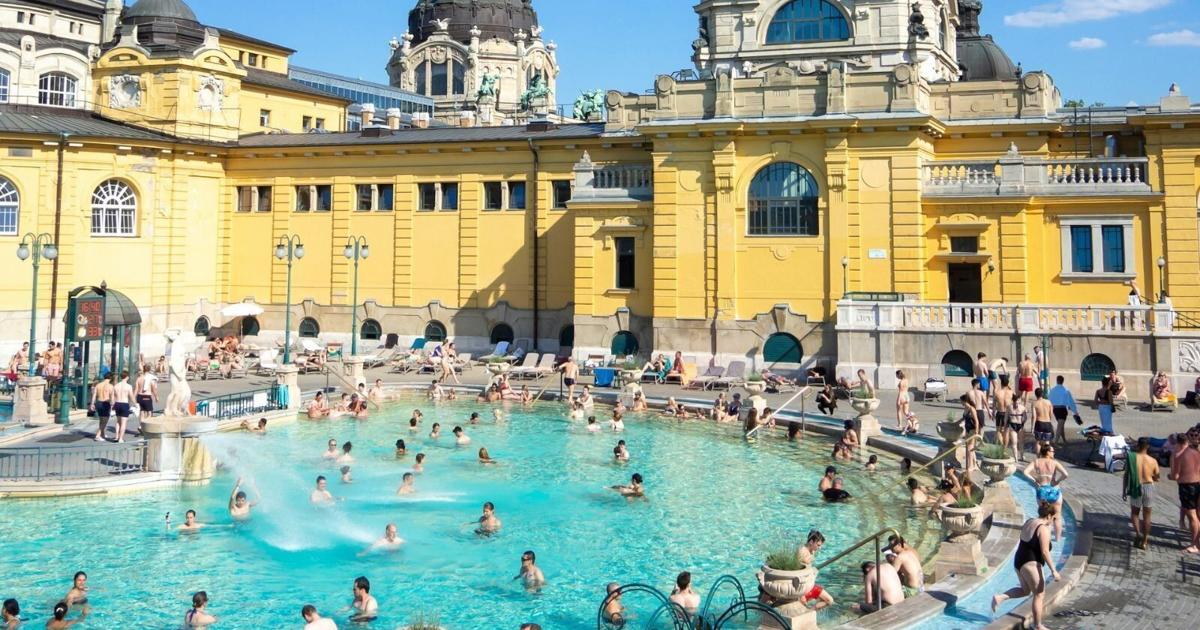
Europe has a long history of incorporating social activities into healthcare practices, with spa towns serving as examples of holistic health environments. These towns, designated as UNESCO World Heritage sites, offer a combination of medical treatments and social activities like strolling through parks, attending concerts, and gathering in cafés for conversation. The architecture and design of spa towns reflect a philosophy of promoting social interaction and community engagement, creating spaces for individuals to connect and improve their well-being. The Great Spa Towns of Europe continue to emphasize the importance of thermal wellness, offering a holistic experience that combines preventive health, outdoor activities, cultural offerings, and personalized services.
As social prescribing gains momentum as a public health strategy, the integration of social activities into healthcare practices is becoming increasingly recognized for its positive impact on individuals' health and well-being. The legacy of spa towns in Europe serves as a historical example of how combining medical treatments with social activities can promote overall wellness and community engagement. The renewed interest in thermal wellness and holistic health experiences aligns with current trends in global wellness initiatives, emphasizing the importance of addressing social isolation and promoting community connections for improved health outcomes.