Exploring the Universe on a Budget: The Best Low-Budget Sci-Fi Shows in Television History
Science fiction has been a staple of television since the early days of the medium. From the pioneering series like "Captain Video and His Video Rangers" in 1949 to modern shows with elaborate special effects, the genre has always been a popular choice for viewers. While many sci-fi series today come with hefty production costs, some of the best shows were created on a shoestring budget, relying on creativity and resourcefulness to bring alien worlds and futuristic tales to life.
One of the most iconic low-budget sci-fi shows is "The Twilight Zone," known for its standalone episodes featuring surreal and often moralistic stories. Despite its limited budget, the series managed to captivate audiences with its unique narratives and unexpected twists. Each episode of the first season cost around $54,317 in today's dollars, showcasing the show's ability to deliver quality content without breaking the bank.
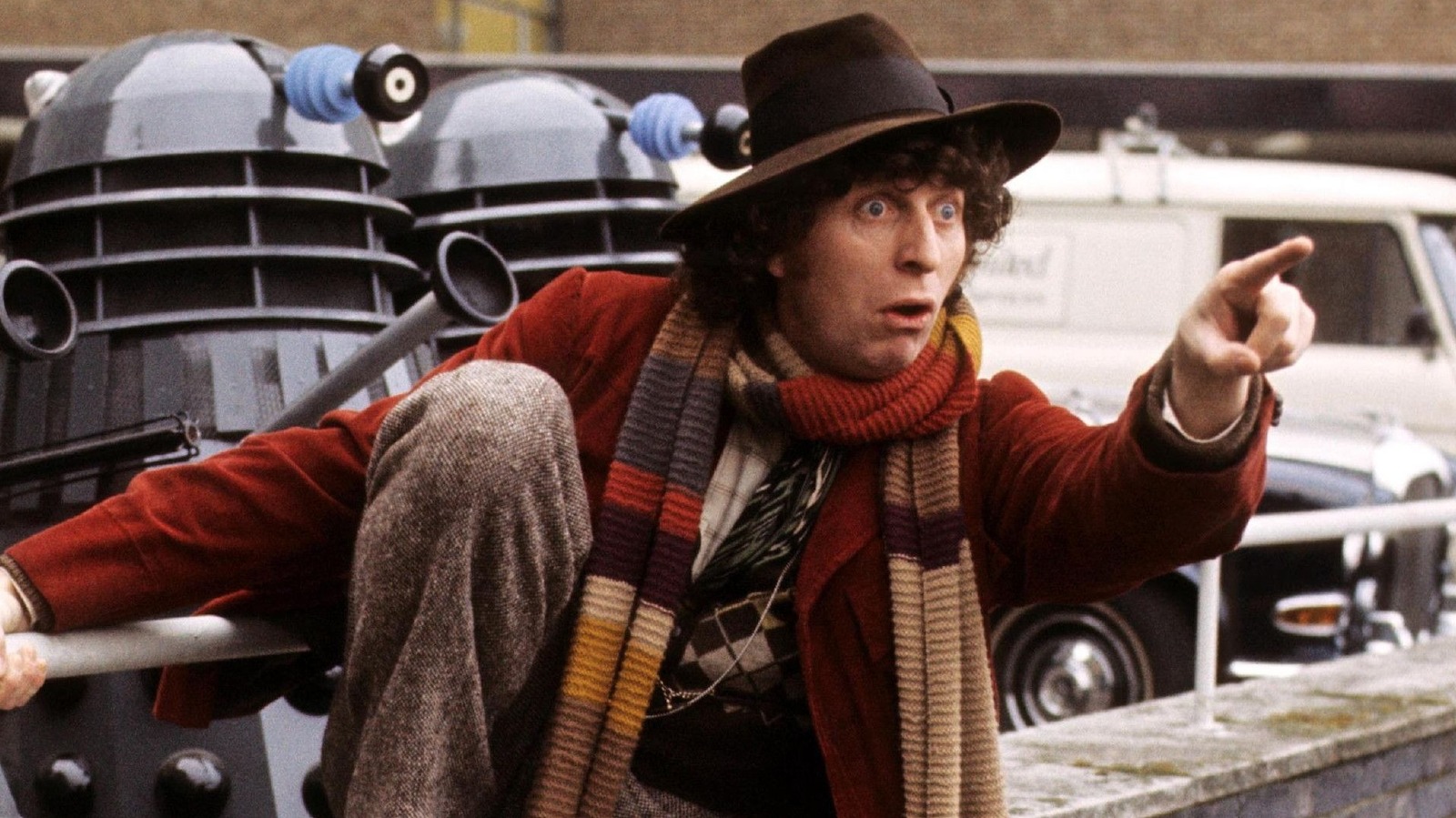
Another long-running sci-fi series that thrived on a modest budget is "Doctor Who," which has been captivating audiences for decades with its imaginative storytelling and quirky characters. The original series premiered in 1963 with a per-episode budget of $59,316 in today's dollars, showcasing the show's ability to create compelling narratives with limited resources. Despite its humble beginnings, "Doctor Who" has become a beloved franchise with a dedicated fan base.
"The Outer Limits" is another classic sci-fi anthology series that managed to deliver compelling stories on a tight budget. Each episode of the show cost around $120,000 in today's dollars, highlighting the series' ability to create engaging narratives with limited financial resources. Despite its short run, "The Outer Limits" has left a lasting impact on popular culture and remains a beloved entry in the sci-fi genre.
The BBC's adaptation of Douglas Adams' "The Hitchhiker's Guide to the Galaxy" is a prime example of a low-budget sci-fi series that managed to capture the essence of the source material with limited resources. The miniseries, which premiered in 1981, featured creative production techniques and cost-effective special effects to bring the story to life. Despite its modest budget, the series garnered a dedicated following and remains a cult classic to this day.
"Red Dwarf" is another long-running sci-fi series that thrived on a modest budget, relying on creative set design and resourceful production techniques to create a realistic spaceship setting. The series' special effects budget was around $23,363 per episode in today's dollars, showcasing the team's ability to deliver quality content on a limited budget. Despite its financial constraints, "Red Dwarf" has become a beloved sci-fi series with a dedicated fan base.
"Mystery Science Theater 3000" is a unique sci-fi series that managed to deliver entertaining content on a shoestring budget. The show's first season on cable television cost only $35,000 per episode in 1989, showcasing the team's ability to create engaging narratives with minimal financial resources. Despite its low budget, "MST3K" has garnered a dedicated fan base and remains a beloved entry in the sci-fi genre.
"Æon Flux" is a visually striking sci-fi series that managed to create a surreal and dystopic future on a limited budget. The series' experimental animation style and avant-garde storytelling set it apart from other sci-fi shows of its time. While the production cost for episodes of "Æon Flux" is unknown, the series' unique visuals and creative storytelling have earned it a dedicated following and a place in sci-fi history.
"Babylon 5" is a sci-fi series that managed to build a huge following despite its modest budget. The show's production budget started at around $650,000 and increased to over $800,000 by its fifth season, showcasing the team's ability to deliver quality content on a limited budget. Despite its financial constraints, "Babylon 5" became a significant player in '90s science fiction television and remains a beloved series among fans.
In conclusion, low-budget sci-fi shows have proven that creativity and resourcefulness can overcome financial limitations to deliver compelling narratives and engaging storytelling. From iconic series like "The Twilight Zone" and "Doctor Who" to cult classics like "Red Dwarf" and "Mystery Science Theater 3000," these shows have left a lasting impact on the sci-fi genre and continue to captivate audiences with their imaginative worlds and unique characters.