Overcoming Rejection: The Hollywood Success Stories of Iconic Films
Creating a successful movie in Hollywood is no easy feat, as numerous obstacles can arise during the production process. Many projects that eventually become box office hits were initially rejected by studios due to various concerns. For instance, Steven Spielberg's iconic film "E.T. the Extra-Terrestrial" faced skepticism from studio executives before becoming a massive success at the box office, grossing $439 million domestically for Universal.
Similarly, Spielberg's passion project, "Lincoln," initially faced rejection from Paramount Pictures, which passed on the film due to perceived limited appeal and the studio's focus on family-friendly movies. However, "Lincoln" went on to gross $182.2 million domestically, outperforming all of Paramount's 2012 projects. The film's success highlighted the misplaced skepticism of the studio.
"Back to the Future," directed by Robert Zemeckis, also encountered initial resistance from studios like Columbia Pictures and Disney before finding a home at Universal Pictures. Despite concerns about the film's content, "Back to the Future" became a massive success in 1985, proving the doubters wrong and solidifying its place as a beloved classic.
The journey of "Deadpool," starring Ryan Reynolds, was marked by years of rejection from 20th Century Fox, who doubted the character's appeal as a leading man. However, after leaked test footage generated positive buzz online, the studio greenlit the film, which went on to gross $782.8 million worldwide, showcasing the initial skepticism was unfounded.
Even established creators like Seth MacFarlane faced rejection, as 20th Century Fox passed on his directorial debut, "Ted," due to concerns about its costs and R-rating. However, Universal Pictures embraced the project, leading to a massive box office success with $556 million worldwide. The decision to trust MacFarlane paid off handsomely for Universal.
In the case of "Twilight," Paramount Pictures initially optioned the adaptation but lost interest in the project, allowing Summit Entertainment to take a chance on the romantic fantasy series. The decision proved to be a lucrative one, with "Twilight" grossing $403 million worldwide and launching a successful franchise that resonated with audiences.
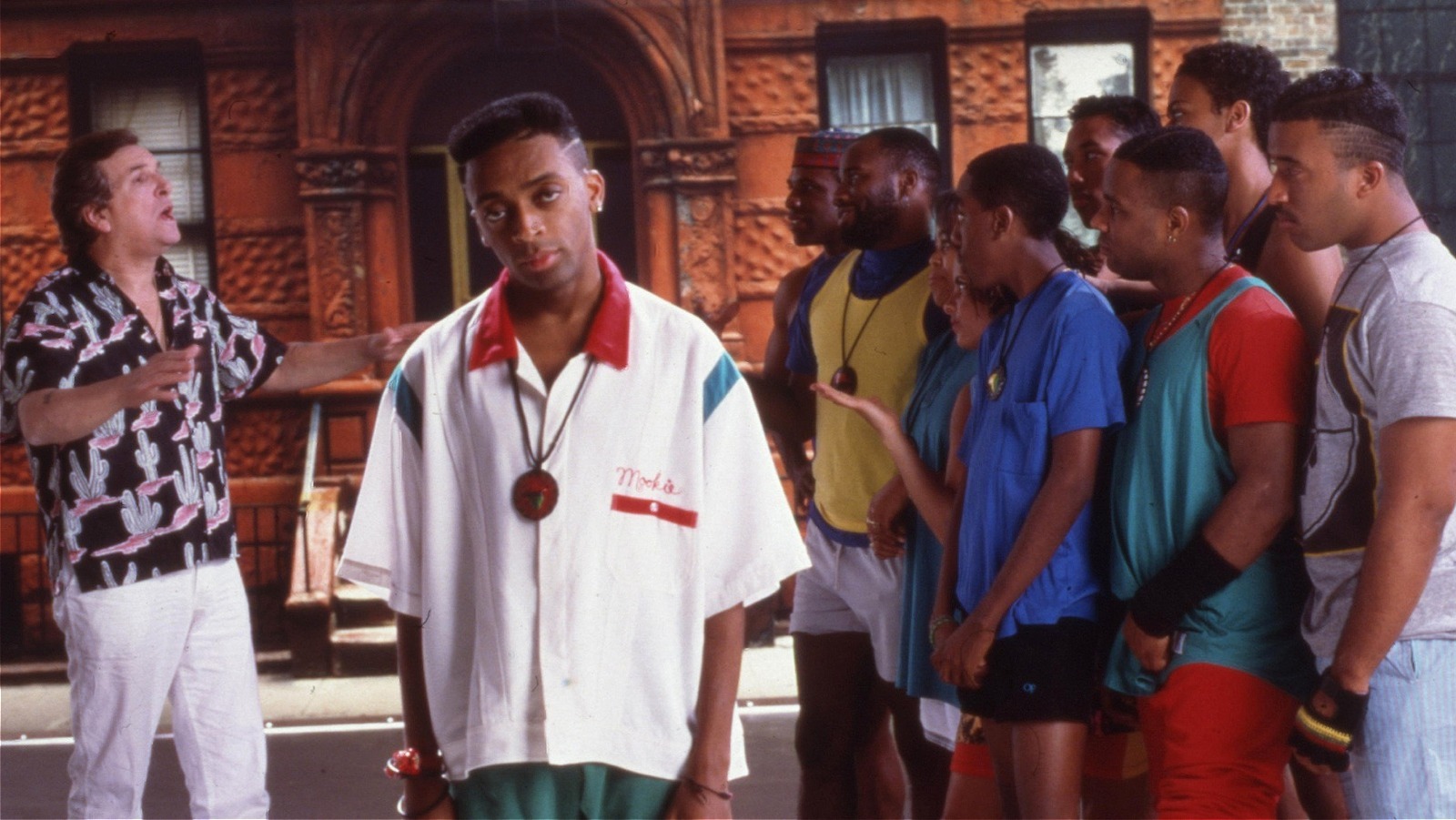
Despite facing rejection from studios like Paramount Pictures, filmmakers like Spike Lee and Roland Emmerich found success by taking their projects elsewhere. Lee's "Do the Right Thing" thrived under Universal Pictures, exceeding expectations at the box office, while Emmerich's "The Day After Tomorrow" became a blockbuster hit for 20th Century Fox, showcasing the missed opportunities of the studios that initially passed on these projects.
In conclusion, the stories of these successful films highlight the unpredictable nature of Hollywood and the importance of perseverance in the face of rejection. Despite initial skepticism from studios, these projects went on to become box office hits, proving that creative vision and determination can overcome even the most significant obstacles in the filmmaking industry.