Rebellion and Resilience: Deep Purple Mark II's Journey Through Turbulent Times
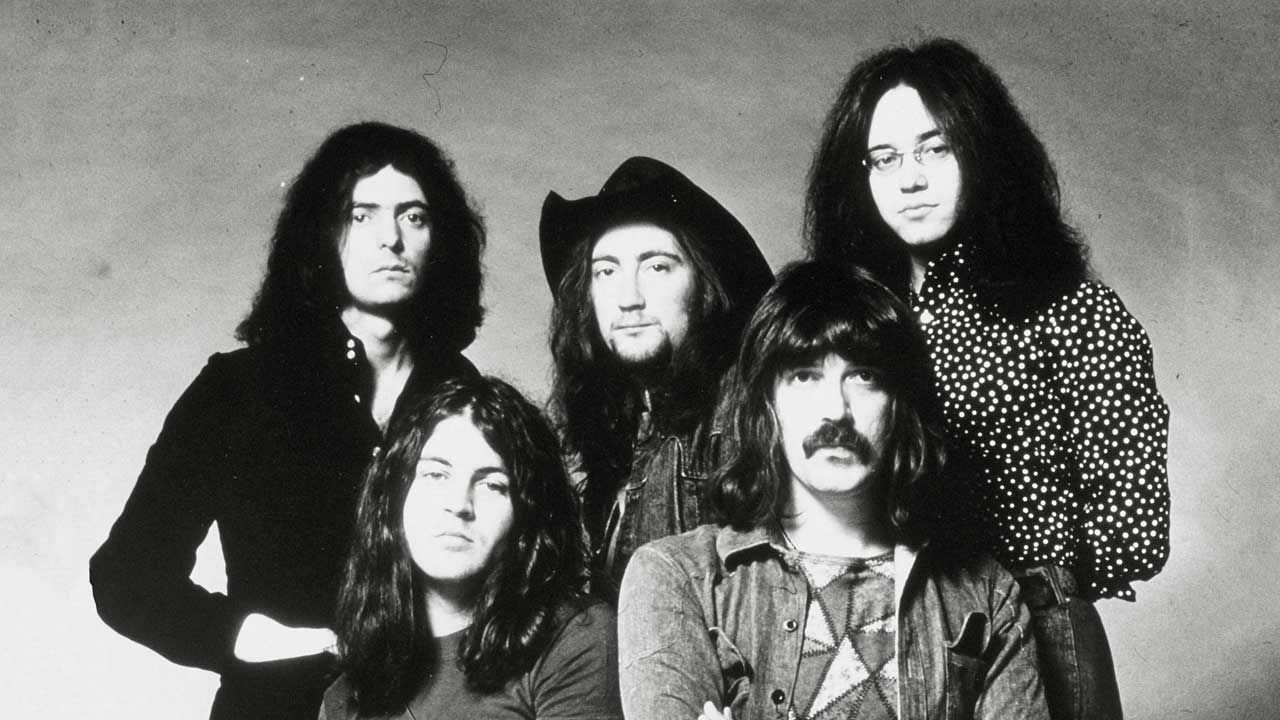
In 1972, Deep Purple Mark II faced opposition from Mary Whitehouse and Lord Longford, who were known for their moral crusades against perceived indecency in society. Mary Whitehouse led the 'Clean Up TV' campaign, targeting profanity on television, while Lord Longford campaigned for the release of Moors Murderer Myra Hindley. Ian Gillan, the band's vocalist, channeled his frustrations with the older generation's moral standards and religious hypocrisy into the song "Mary Long," which symbolized his rebellion against societal norms.
During this tumultuous period, tensions within Deep Purple Mark II were exacerbated by guitarist Ritchie Blackmore's detachment from the band. Bassist Roger Glover recalled instances where Blackmore dismissed band members' ideas, leading to creative conflicts. The band's rigorous touring schedule and Blackmore's disinterest in collaboration further strained their relationships, culminating in a challenging recording session in Rome and subsequent live performances in Japan.
Despite the internal discord, Deep Purple managed to record the songs "Mary Long" and "Woman From Tokyo" during scattered studio sessions. The track "Mary Long" was inspired by the band's disdain for censorship and moral policing, with lyrics poking fun at Mary Whitehouse's perceived sanctimony. The song's satirical tone reflected Gillan's aversion to political agendas infiltrating music and his preference for lyrical impressionism.
"Mary Long" served as a reflection of the band's defiance against societal constraints and remains relevant in contemporary contexts. Gillan's lyrical approach and the band's musical experimentation captured the spirit of rebellion and artistic integrity amidst external pressures. Deep Purple's tumultuous journey during the early 1970s underscored their resilience and creative evolution, culminating in timeless rock classics that continue to resonate with audiences worldwide.