Climate Disasters Drive Home Insurance Crisis Across the United States: Rising Costs and State Challenges
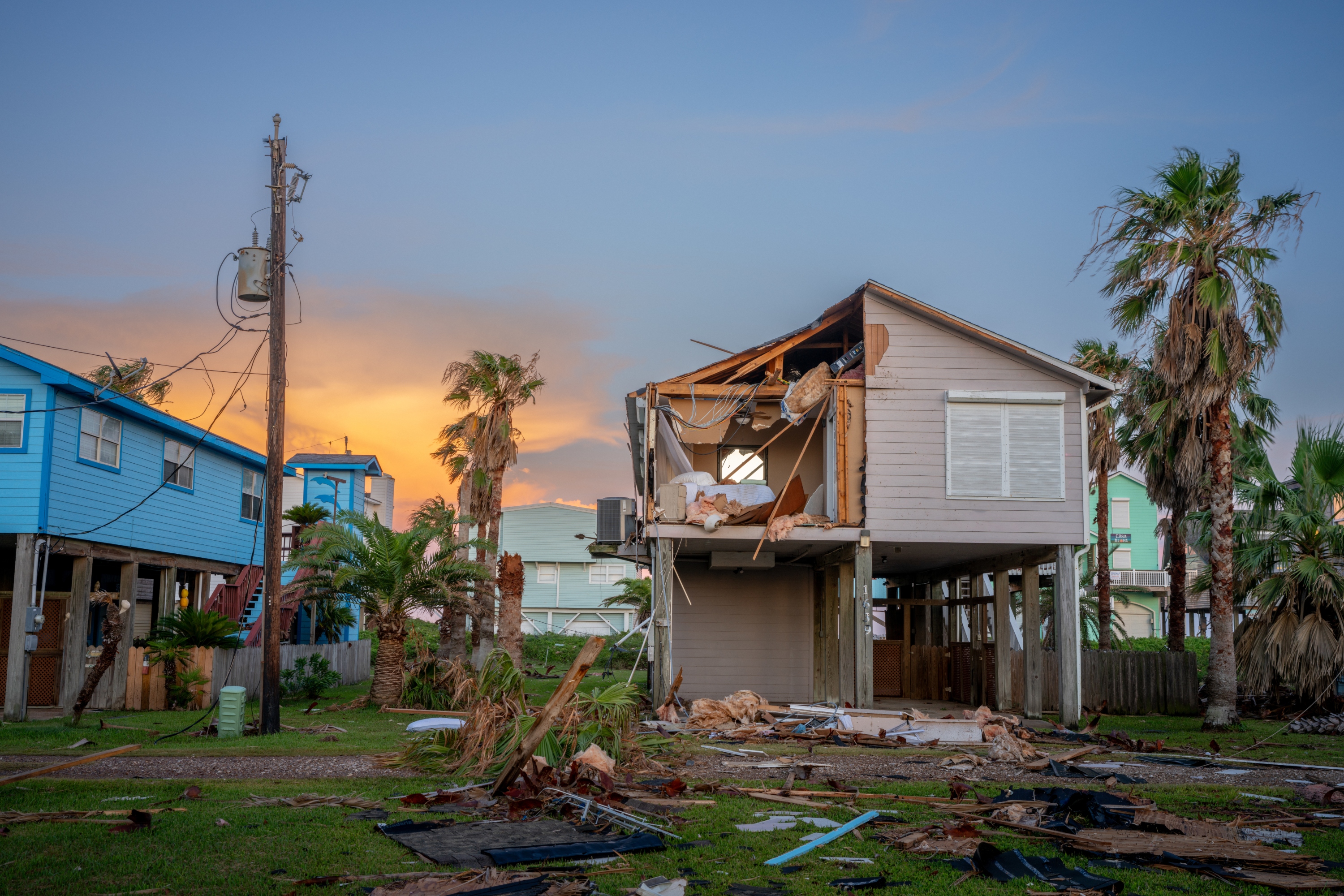
The United States is facing a looming homeowner's insurance crisis due to a series of climate disasters. Insurance companies have been dropping customers in disaster-prone areas, leading to rising insurance costs. The average American homeowner's insurance bill increased by 12 percent last year and is expected to rise by another 4 percent this year. Factors contributing to these rising costs include extreme weather events, new home developments in vulnerable areas, and the financial risks faced by insurers.
California is experiencing a significant increase in insurance prices, with a 16 percent rise in the last two years and another 16 percent increase projected for this year. The state's insurance market has been struggling since devastating wildfire outbreaks in 2017 and 2018. Georgia is also facing home insurance rate hikes following the impact of Hurricane Helene, with a 10 percent increase expected this year. Illinois and Michigan have seen substantial increases in insurance prices due to extreme weather events, with Illinois experiencing a 50 percent increase in home insurance costs between 2021 and 2024.
Nebraska has witnessed a 25 percent increase in home insurance premiums over the past year, attributed to severe storms and high winds. North Carolina has faced challenges with insurance premiums, with a 42 percent rate hike requested last year but only a 7.5 percent increase granted. The state has seen significant flood damage from storms like Hurricane Helene, leading to insurance companies denying coverage for certain damages.
The rising insurance prices across various states are a result of increased risks from climate change and extreme weather events. State regulators are facing challenges in balancing the need for insurance companies to cover costs while ensuring affordability for homeowners. The solution to rising insurance prices may involve a combination of policies, such as surcharges on insurers to fund property upgrades, stricter building codes for new homes, and state-run reinsurance programs to provide financial support for insurers. Addressing these challenges is crucial to prevent a potential insurance collapse and economic recession in the future.