Happy The Man: The Underrated Prog Pioneers of the 1970s
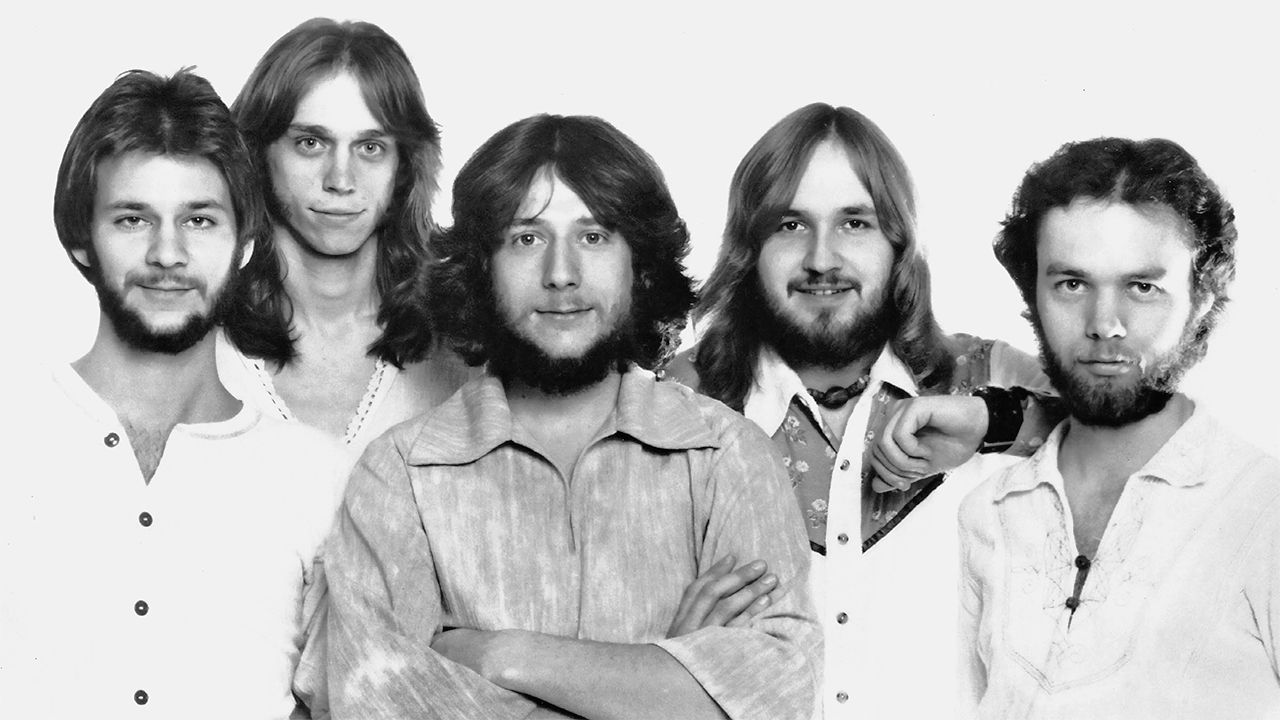
Happy The Man, an American prog band formed in 1973, never quite reached the same level of success as their British counterparts despite releasing two critically acclaimed albums. Their self-titled debut in 1977 and the follow-up, Crafty Hands in 1978, showcased their unique blend of influences from classical music and a desire to create their own sound distinct from other prog bands. The band's approach to crafting their arrangements and compositions set them apart, although their lack of commercial appeal hindered their success.
Happy The Man's strength lay in the diversity of their songwriting, with three distinct talents contributing to their music. Guitarist Stanley Whitaker, keyboardist Kit Watkins, and keyboardist/saxophonist Frank Wyatt each brought their own style to the band, resulting in a sound that covered a wide range of musical territory while maintaining a cohesive identity. Despite their individual contributions, the band worked together to create a unified sound that showcased their collective creativity.
The band had the opportunity to become Peter Gabriel's backing band in the mid-1970s but ultimately chose to focus on their own music instead. This decision led to their signing with Arista and the release of their albums, but also meant missing out on the chance to work with the former Genesis frontman. Happy The Man's refusal to exclusively back Gabriel highlighted their commitment to their own artistic vision and set them on a path separate from mainstream success.
Unfortunately, Happy The Man's career came to an end in 1979, with the lack of a European release for Crafty Hands preventing them from touring overseas and expanding their audience. The band's unique blend of prog rock elements struggled to find a foothold in the US music scene, which was shifting towards disco and punk at the time. Despite their talent and dedication to their craft, Happy The Man faced challenges that ultimately limited their success and left them underrated in the annals of progressive rock history.