Exploring the Rise of ADHD Coaching: Navigating Challenges and Opportunities
Katherine Sanders, a resident of Edinburgh, Scotland, struggled with managing her ADHD while juggling part-time work and caring for her daughter. Seeking help, she enrolled in a digital course called Your ADHD Brain is A-OK, led by ADHD coach Tracy Otsuka. The course focused on shedding shame and identifying values and strengths to help individuals with ADHD find their purpose and lead more fulfilling lives.
After completing the course, Sanders was inspired by Otsuka to become an ADHD coach herself. She received training and credentials from the ADD Coach Academy and joined the rapidly growing field of ADHD coaching. ADHD coaching is a niche within the coaching industry that promises relief from the challenges of ADHD, a condition characterized by distraction, forgetfulness, restlessness, and impulsivity.
ADHD coaching has seen a surge in demand as ADHD diagnoses increase and patients seek professional help. However, the coaching industry, in general, lacks regulation and standards, raising concerns about the effectiveness and qualifications of coaches. While coaching can be a valuable tool for managing ADHD symptoms, experts caution that clients should be cautious and informed when seeking coaching services.
Coaching for better mental and emotional performance has a long history, with ADHD coaching emerging in the 1990s. The COVID-19 pandemic has further fueled the growth of ADHD coaching, with an increasing number of individuals seeking coaching services. Despite the popularity of ADHD coaching, there is limited concrete evidence of its effectiveness, highlighting the need for more research and standards in the field.
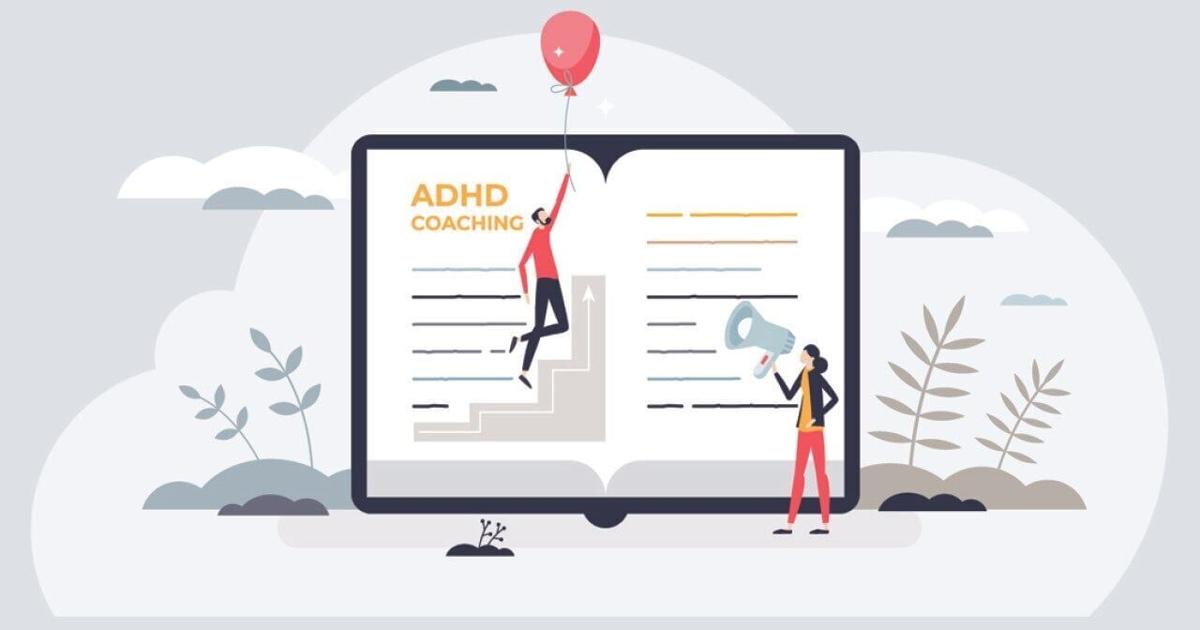
In a typical ADHD coaching session, coaches work with clients to set goals, create action plans, and provide tools to help clients stay on track. Coaches also focus on increasing self-awareness and dispelling shame associated with ADHD. While coaching can be beneficial for individuals with ADHD, the lack of regulation and standards in the industry poses risks for vulnerable clients.
As the demand for ADHD coaching continues to rise, regulators are starting to address concerns about the industry's lack of oversight. Some states, like Utah, have taken steps to investigate potential unlawful conduct by coaches treating mental health conditions. Despite the challenges in the coaching industry, individuals like Katherine Sanders find fulfillment in helping others navigate the complexities of ADHD.
In conclusion, ADHD coaching offers a promising approach to managing ADHD symptoms and improving overall well-being. However, the lack of regulation and standards in the coaching industry underscores the importance of being cautious and informed when seeking coaching services. As the field continues to evolve, efforts to establish guidelines and ensure the effectiveness of coaching practices are essential for the well-being of clients.