Freedom of Speech Triumphs: Afroman Wins Defamation Lawsuit Against Ohio Deputies
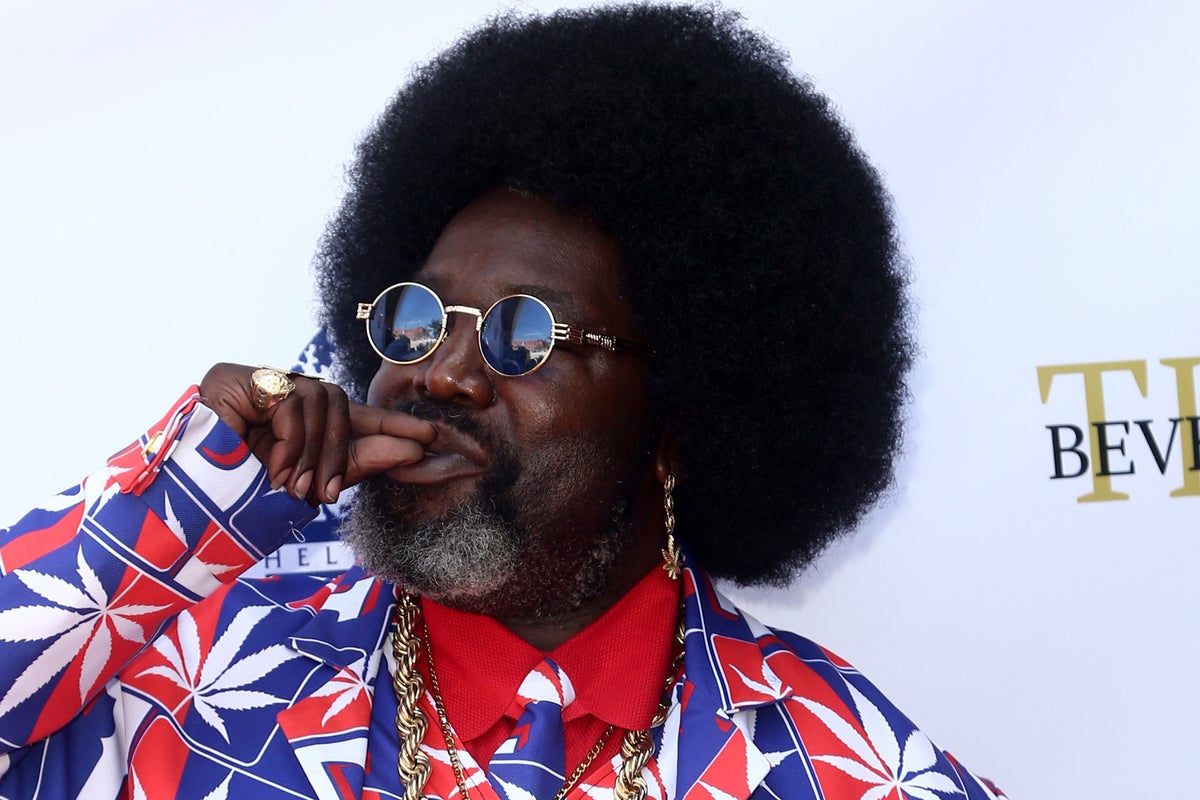
Afroman, the Grammy-nominated rapper, recently won a defamation lawsuit filed by seven Ohio sheriff's deputies. The deputies had sued him over music videos that used home security footage to satirize their raid on his property. Afroman, whose real name is Joseph Foreman, celebrated the verdict outside the courthouse, emphasizing freedom of speech and sharing his joy on social media. The case explored the boundaries of parody and artistic expression in social commentary aimed at public figures, with the deputies seeking nearly $4 million in damages.
The viral videos in question depicted the officers breaking down Afroman's door, searching his belongings, and eyeing a cake on his kitchen table, which inspired one of his songs. Afroman accused the deputies of stealing $400 during the raid and testified that the incident was an outrage. He defended his work on First Amendment grounds, stating that he created the diss tracks to address the damages caused by the raid, including a broken gate and front door. Despite the raid being part of a drug and kidnapping investigation, no charges were filed.
Afroman's lyrics in the songs addressed the police directly, questioning their actions and criticizing their behavior during the raid. The deputies claimed that the songs ridiculed them and caused public harassment. Afroman's lawyer argued that artists engaged in social commentary often exaggerate, while the deputies' representative accused Afroman of intentionally lying to hurt them. The case highlighted the tension between artistic expression and the potential harm caused by satire directed at law enforcement officials.
Afroman, who resides in Winchester, Ohio, maintained that the raid traumatized his children and led to the creation of the controversial music videos. The lawsuit, which spanned three years, ultimately ended in Afroman's favor, underscoring the importance of freedom of speech and artistic expression in the face of legal challenges. The case serves as a reminder of the complexities surrounding parody, social commentary, and the rights of artists to critique public figures through their work.