Navigating the Middle East Crisis: Central Bankers' Dilemma in the Face of Rising Oil Prices
Oil prices surged today, with Brent crude reaching $113.76 a barrel due to escalating tensions in the Middle East. Following Israel's attack on Iran's South Pars gasfield, Iran's Revolutionary Guards threatened to target oil and gas facilities in the region. This situation poses a challenge for central bankers worldwide as they grapple with rising energy prices, inflation risks, and weak economies.
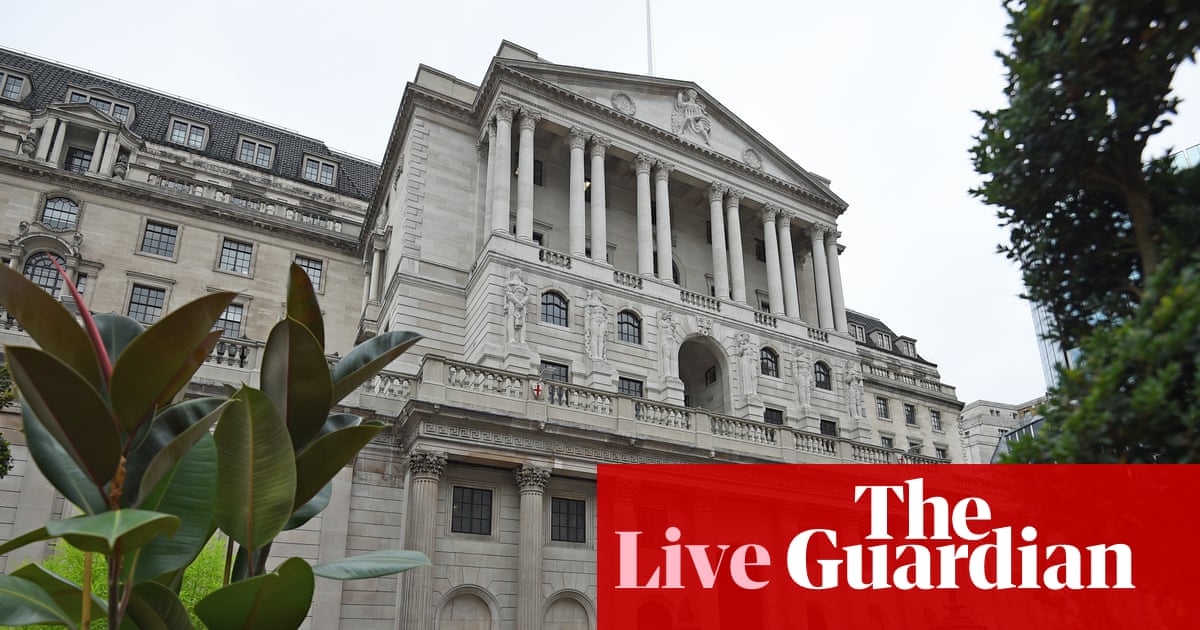
The current dilemma facing central bankers revolves around whether to cut borrowing costs to stimulate growth or raise them to curb inflation. With the Middle East crisis driving up energy prices, there is a growing uncertainty about the appropriate monetary policy response. The Bank of England is expected to maintain its interest rates at 3.75% following its monetary policy committee meeting today, as the likelihood of a rate cut has diminished significantly.
Market expectations for UK interest rates have shifted dramatically in recent weeks, with the Bank of England now anticipated to keep rates unchanged amidst heightened inflation risks linked to the Iran conflict. This uncertainty has led to fluctuations in UK government bond yields, reflecting the evolving expectations regarding monetary policy. Similarly, the European Central Bank and the Bank of Japan have also opted to maintain their interest rates, while the Federal Reserve in the US has kept rates steady amid uncertainties surrounding the impact of Middle East developments on the American economy.
In conclusion, the surge in oil prices driven by geopolitical tensions in the Middle East has complicated the decision-making process for central bankers globally. The delicate balance between supporting economic growth and managing inflation risks has become increasingly challenging, prompting cautious approaches to monetary policy adjustments. As central banks navigate this uncertain landscape, the focus remains on monitoring the evolving situation and its potential implications for the broader economy.