Unraveling the Moon Landing Conspiracy: Stanley Kubrick's Legacy and the Apollo 11 Mission
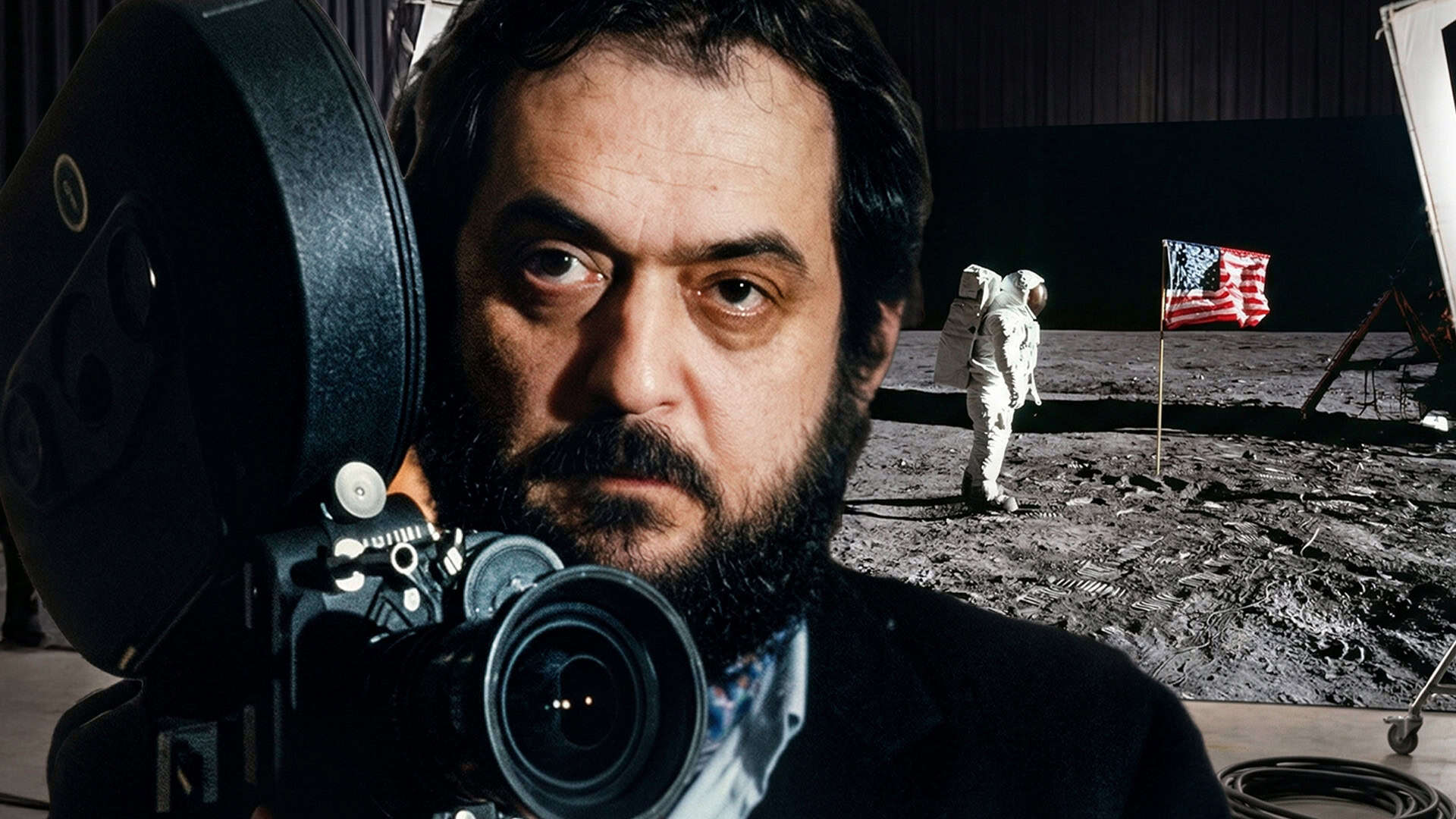
On July 20, 1969, people worldwide tuned in to witness the historic Apollo 11 moon landing, a momentous event that captivated audiences with its wonder and impossibility. The achievement was made possible by the dedication of the courageous individuals involved and the advanced technology that enabled the mission. The cinematic quality of the moon landing footage evoked comparisons to Stanley Kubrick's space-themed films, sparking conspiracy theories linking the renowned filmmaker to the alleged faking of the moon landing. The theory suggests that NASA collaborated with Kubrick due to his expertise in creating realistic space imagery, as demonstrated in his film "2001: A Space Odyssey." The timing of Kubrick's work and the visual quality of his films aligned with the Apollo 11 mission, leading some to speculate about his potential involvement in staging the moon landing. Despite the intriguing connections and symbolic interpretations found in Kubrick's films, his daughter, Vivian Kubrick, has refuted claims of his participation in such a deception, emphasizing his commitment to truth and integrity. The theory persists due to the mysterious nature of Kubrick's work and the intricate details woven into his films, inviting speculation and analysis from conspiracy theorists and film enthusiasts alike. The enduring fascination with Kubrick's legacy and the enigmatic themes present in his films continue to fuel discussions surrounding the moon landing conspiracy, blurring the lines between reality and fiction. The enduring allure of Kubrick's films lies in their multi-layered narratives and thought-provoking symbolism, prompting viewers to delve deeper into the hidden meanings and messages embedded within his cinematic masterpieces. The enduring legacy of Stanley Kubrick and the enduring fascination with his work have contributed to the enduring appeal of the moon landing conspiracy theory, inviting audiences to explore the intricate connections between art, history, and reality.