Unveiling the Psychological Depths of Shutter Island: A Haunting Journey into Reality and Illusion
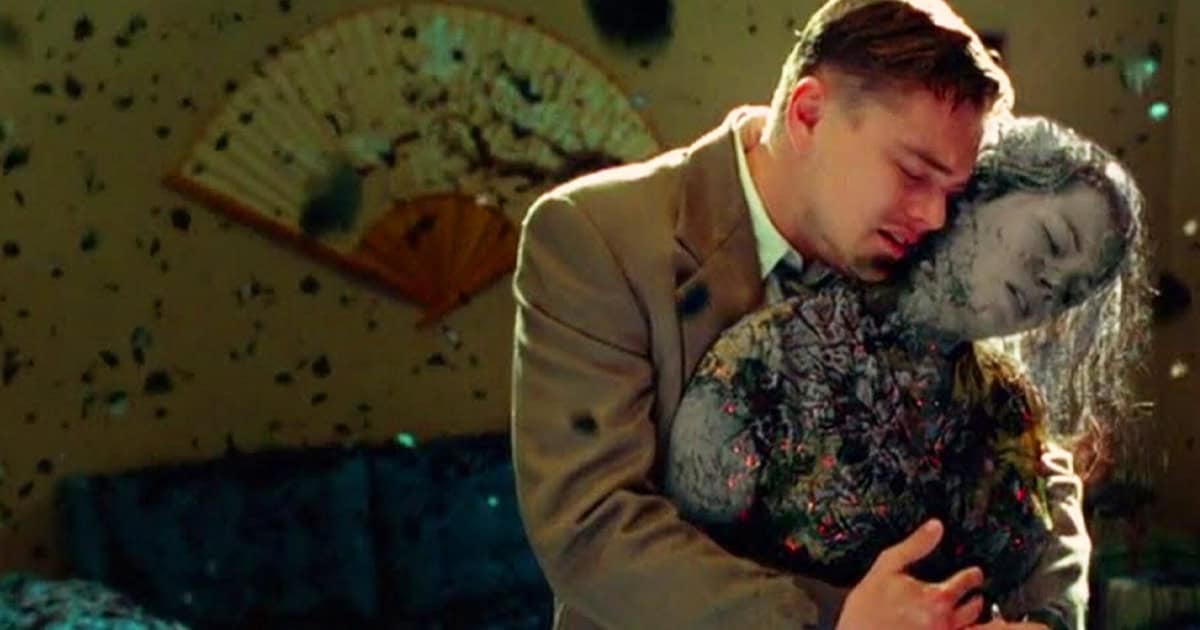
Conspiracy theories in movies can be captivating, and Shutter Island is no exception. The film, directed by Martin Scorsese, presents a dark and twisted narrative that keeps viewers on the edge of their seats. From the very beginning, the movie sets a grim tone, hinting at something fundamentally wrong. Unlike typical thrillers that save the big reveal for the end, Shutter Island lays out the truth in plain sight from the start, challenging viewers to see beyond the illusions.
When Shutter Island was delayed for release in 2010, many speculated that it was a sign of trouble for the film. However, when it finally hit theaters, it defied expectations and became a chilling psychological horror experience. The movie's success proved that Scorsese could masterfully craft a genre film that kept audiences engaged and questioning reality. With a plot twist that reshapes the entire narrative, Shutter Island stands out as a psychological thriller that leaves a lasting impact.
Dispelling rumors of government mind-control facilities and evil doctors, the true story behind Shutter Island is much more personal and heartbreaking. The protagonist, U.S. Marshal Teddy Daniels, is revealed to be Andrew Laeddis, a disturbed patient who committed a heinous crime. The elaborate investigation on the island is actually a carefully orchestrated game designed to help Andrew confront his violent delusions and come to terms with his tragic past.
Mark Ruffalo's performance as Chuck, Teddy's partner, takes on new meaning upon a second viewing. His subtle portrayal of a doctor pretending to be a marshal adds depth to the character dynamics. The film is filled with symbolic cues that reflect Andrew's fractured mind, such as the contrast between fire and water representing delusion and truth. As the story unfolds, the devastating truth is revealed, forcing Andrew to make a heartbreaking choice between facing reality and embracing oblivion.
Shutter Island is not just a mind-bending thriller—it's a poignant exploration of grief, guilt, and the lengths people will go to escape their past. The film's tragic conclusion leaves a lasting impact, reminding viewers that sometimes the most terrifying monsters are the ones we create within ourselves. In the end, Shutter Island is not just a story about a twist—it's a haunting tragedy that lingers long after the credits roll.