Unlocking the Power of Anthocyanin-Rich Foods for Long-Term Health and Well-Being
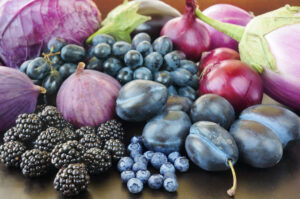
Anthocyanin-rich fruits and vegetables are gaining attention for their potential health benefits in reducing inflammation and promoting long-term well-being. These deeply pigmented foods contain anthocyanins, natural compounds responsible for their protective effects against various chronic conditions. Acting as antioxidants and anti-inflammatory agents, anthocyanins interact with gut microbiota to support cellular health and combat oxidative stress, which is linked to diseases like cardiovascular issues and neurodegeneration.
Studies have shown that diets rich in colorful, whole foods have been associated with increased longevity. Regions like Okinawa, Japan, where purple sweet potatoes are a dietary staple, have shown extended life expectancy and lower rates of age-related diseases. Incorporating nutrient-dense foods like blackberries, plums, blueberries, figs, grapes, and cherries into modern diets can provide a range of health benefits, including immune support, reduced inflammation, and lower risk of certain diseases.
Vegetables also play a role in providing anthocyanins and other beneficial compounds. Eggplant skin contains anthocyanins that protect cells and support eye health, while red cabbage offers anthocyanins and sulforaphane, which may reduce cancer risk and promote heart health. Beets, red onions, purple cauliflower, and purple sweet potatoes are additional sources of anthocyanins and other nutrients that contribute to overall health.
While no single food can prevent disease entirely, incorporating a variety of anthocyanin-rich foods into one's diet can offer cumulative benefits for cardiovascular, cognitive, and metabolic health. As interest in food-based prevention strategies grows, experts emphasize the importance of consuming a diverse range of deeply colored produce to enhance overall well-being through nutrition.