Exploring Alternate Endings: The Creative Choices Behind Filmmaking
Filmmakers often face challenges when deciding how to end their movies, sometimes exploring multiple endings before settling on the final one. Test screenings can also influence these decisions, leading to mixed results. Some alternate endings, however, add a unique quality to the film that viewers wish had made it to the big screen.
In the case of "Paranormal Activity," director Oren Peli filmed three potential endings for the found-footage horror classic. The theatrical version shows Katie being possessed and killing Micah, but two alternate endings show different outcomes, both equally grim. These alternate conclusions offer a glimpse into the characters' fates beyond what was shown in theaters.
"The Descent" also had different endings for international and U.S. audiences. While the U.S. version ends on a hopeful note, the U.K. version takes a darker turn, leaving Sarah to face a haunting hallucination. This alternate ending adds a layer of complexity to the story, challenging viewers' perceptions of the characters' fates.
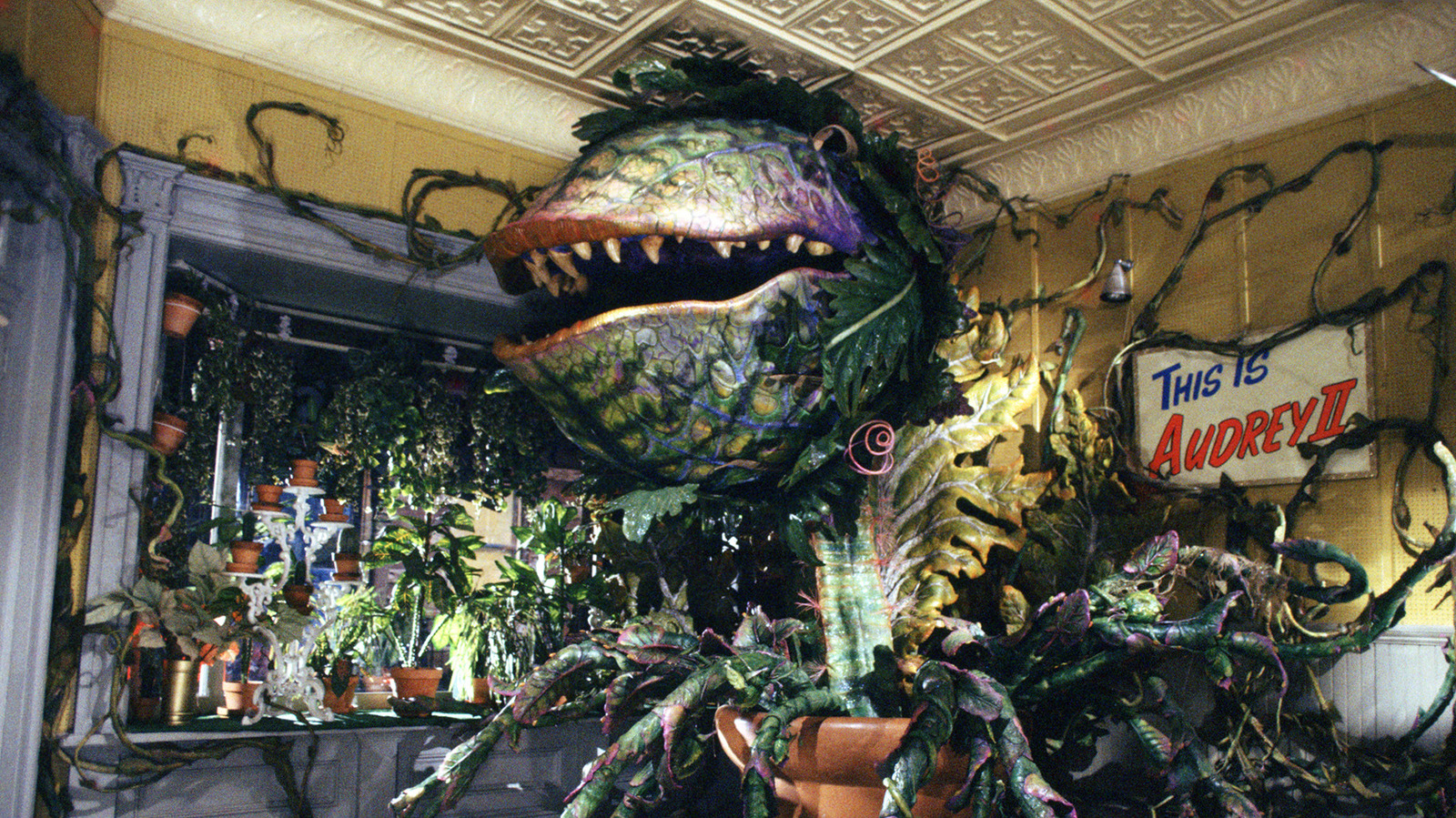
"Little Shop of Horrors" features an apocalyptic alternate ending where Audrey II takes over the world, diverging from the happier conclusion seen in theaters. Director Frank Oz faced backlash for the original ending, leading to a change that left him dissatisfied. The alternate ending offers a glimpse into a darker outcome for the characters.
In "Terminator 2: Judgment Day," an alternate ending shows John Connor avoiding his prophesied destiny and becoming a senator instead of a savior. This ending was ultimately scrapped, as it deviated too much from the established narrative. The alternate conclusion offers a different perspective on the characters' futures.
"The Butterfly Effect" explores the consequences of altering the past, with the director's cut featuring a more extreme ending where the protagonist goes back to the womb to prevent his existence. This dark conclusion adds a chilling twist to the film's time-travel narrative, highlighting the protagonist's desperate attempts to change his fate.
"Clue" is known for its multiple alternate endings, with a fourth version filmed but never released. Tim Curry revealed details about this unreleased ending, which would have revealed Wadsworth as the mastermind behind all the murders. The decision to exclude this ending was based on its lack of humor and tonal mismatch with the other conclusions.
"First Blood" originally had a darker ending where John Rambo contemplates suicide, reflecting the character's trauma and alienation from society. The final theatrical ending, where Rambo is talked down by his mentor, offers a more hopeful resolution. The alternate ending adds depth to Rambo's character but was ultimately deemed too bleak for audiences.
"I Am Legend" features an alternate ending that delves into the sentience of the Darkseekers, adding a poignant twist to the protagonist's sacrifice. This ending was well-received by audiences but was replaced in the theatrical release due to negative test audience reactions. The alternate conclusion is considered a more fitting and emotionally resonant finale for the film.
In conclusion, alternate endings offer a glimpse into the creative process behind filmmaking, showcasing the different directions a story can take. While some alternate endings enhance the narrative and character development, others are left on the cutting room floor, leaving viewers to wonder what could have been.