Exploring Humanity in Post-Apocalyptic Worlds: A Comparison of Station Eleven and Other Dystopian Series
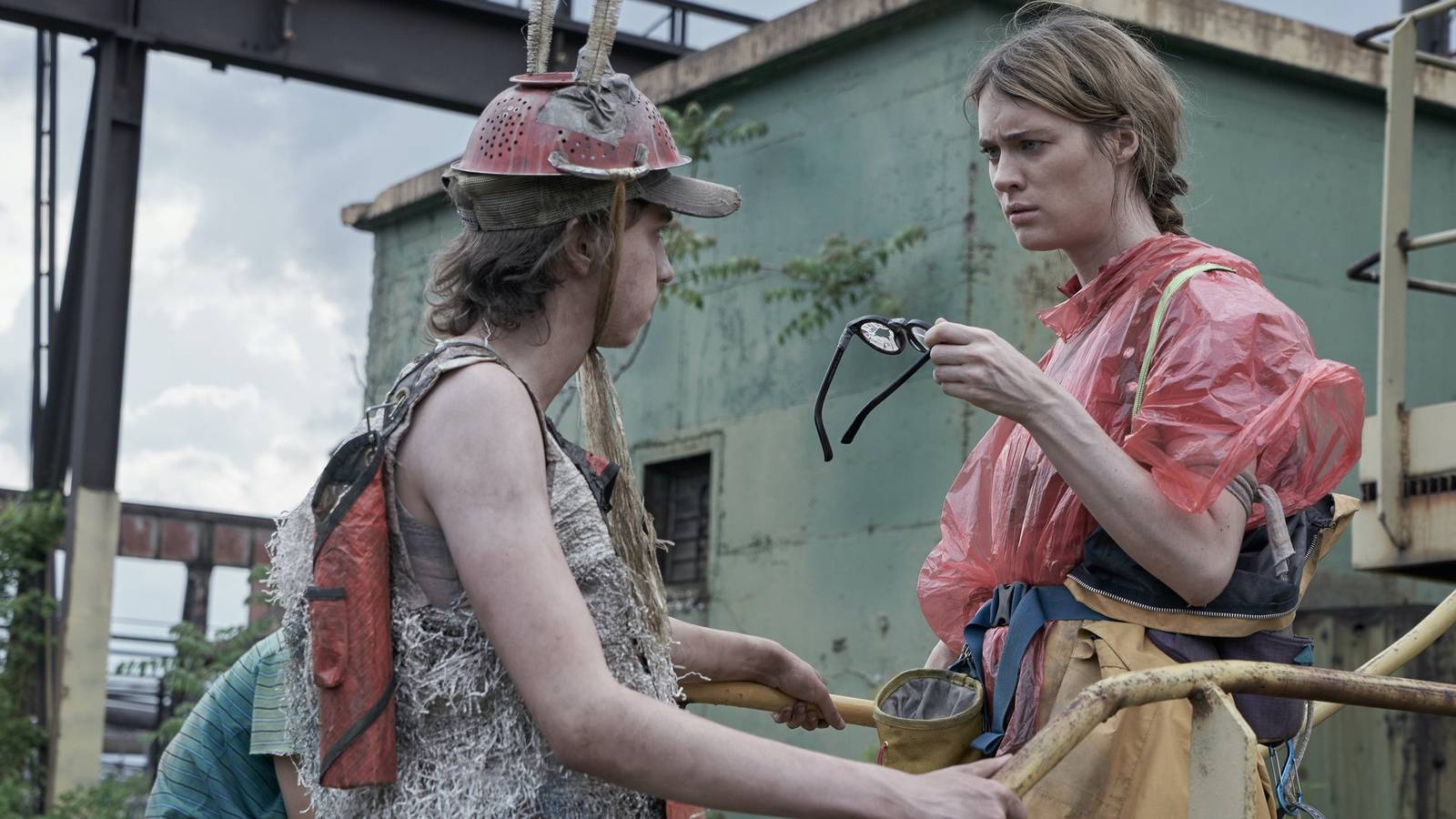
In a world filled with post-apocalyptic shows, Station Eleven stands out as a unique and emotionally resonant series. The story follows survivor Kirsten as she navigates a world devastated by a flu pandemic, showcasing humanity's resilience in the face of destruction. While leaving some questions unanswered, the show's characters, world-building, and tone create a distinct viewing experience that sets it apart from other dystopian shows.
Sweet Tooth, another post-apocalyptic series, introduces a world where a deadly sickness has decimated the human population, leading to the emergence of human-animal hybrids. The innocence and persecution of these hybrids, especially the young protagonist Gus, bring a sense of hopefulness to the narrative, similar to Station Eleven's portrayal of a young Kirsten. However, Sweet Tooth caters to a younger audience, offering a unique perspective on survival in a harsh world.
Paradise and Station Eleven both offer chilling depictions of catastrophic events that reshape the world. Paradise's episode "The Day" vividly portrays the moments leading up to a megatsunami that wipes out most of human civilization, mirroring the devastation seen in Station Eleven. Both shows explore themes of trust and the struggle to preserve a world that exists only in memories and hearts, highlighting the resilience of humanity in the face of adversity.
The Last of Us shares similarities with Station Eleven but offers a darker viewing experience. Both shows follow young female protagonists navigating a post-apocalyptic world, accompanied by flawed father figures. However, The Last of Us delves into themes of survival and revenge, contrasting with Station Eleven's focus on art, humanity, and wonder. Together, they provide a compelling exploration of the human condition in different settings.
Pluribus takes a unique approach to the post-apocalyptic genre, introducing a world where a genetic "joining" has merged humanity into a single hive mind. The show's protagonist, Carol, navigates the complexities of individuality and collective consciousness, sparking discussions about human values and identity. While different from Station Eleven, both shows delve into the essence of humanity and the challenges of preserving individuality in a changing world.
The Walking Dead and Station Eleven share a visual similarity in their post-apocalyptic landscapes but offer contrasting narratives. While The Walking Dead explores how experiences transform characters beyond recognition, Station Eleven focuses on rediscovering one's true self amidst chaos. Both shows offer different perspectives on survival and identity, making them complementary in exploring the human experience.
Fallout follows characters striving to maintain their humanity in a post-apocalyptic wasteland, with Cooper Howard/Ghoul embodying a stark contrast between his past and present selves. As Cooper grapples with his transformation over 200 years, the show delves into themes of identity and resilience. Fallout's dynamic with an innocent girl and a hardened man adds a new dimension to the apocalypse narrative, making it a compelling follow-up to Station Eleven.
The Leftovers shares a lyrical quality with Station Eleven, focusing on characters' responses to inexplicable events rather than seeking explanations. Both shows leave some questions unanswered, emphasizing acceptance and action in the face of uncertainty. The ethereal quality of surreal circumstances impacting realistic characters creates a profound viewing experience, showcasing the characters' growth and resilience. For viewers seeking a show of similar caliber, The Leftovers offers a compelling exploration of fate and human nature that rivals Station Eleven's storytelling prowess.