Exploring the Forgotten Gems of 1960s Sci-Fi Cinema: From Moon Nudity to Mushroom Horror
The 1960s saw a surge in innovative science fiction films that pushed the boundaries of the genre. While iconic works like "Star Trek," "2001: A Space Odyssey," and "Planet of the Apes" are well-known, there are lesser-known gems that deserve recognition. These films, ranging from space operas to monster movies, offer unique perspectives and visual styles that captivate audiences. Whether you're a sci-fi enthusiast or just looking for something different, these films are worth exploring.
"Nude on the Moon," directed by Doris Wishman in 1961, follows Dr. Jeff Huntley and his friend as they travel to the moon and encounter psychic, nude women. Despite its provocative title, the film delves into themes of emotional connection and human sensitivity, elevating it beyond mere titillation. Wishman's unconventional approach to storytelling sets this film apart and makes it a fascinating watch for those interested in exploring the boundaries of sci-fi cinema.
Ishiro Honda's "Matango," also known as "Attack of the Mushroom People," presents a dark and disturbing tale of a group of tourists stranded on an island inhabited by malevolent mushrooms. As the characters succumb to the mushrooms' influence, paranoia and violence ensue, leading to a chilling exploration of human nature and the power of nature itself. Honda's masterful direction creates a tense and unsettling atmosphere that lingers long after the credits roll, making "Matango" a standout entry in the sci-fi horror genre.
"Planet of the Vampires," directed by Mario Bava, offers a visually stunning and eerie take on space exploration. Set on a mysterious planet where a deadly mist possesses the crew members, the film blends elements of ghost stories and sci-fi mystery to create a haunting and atmospheric experience. Bava's use of color and atmosphere sets the stage for a suspenseful journey into the unknown, drawing viewers into a world where reality and nightmare blur together in a mesmerizing display of cinematic artistry.
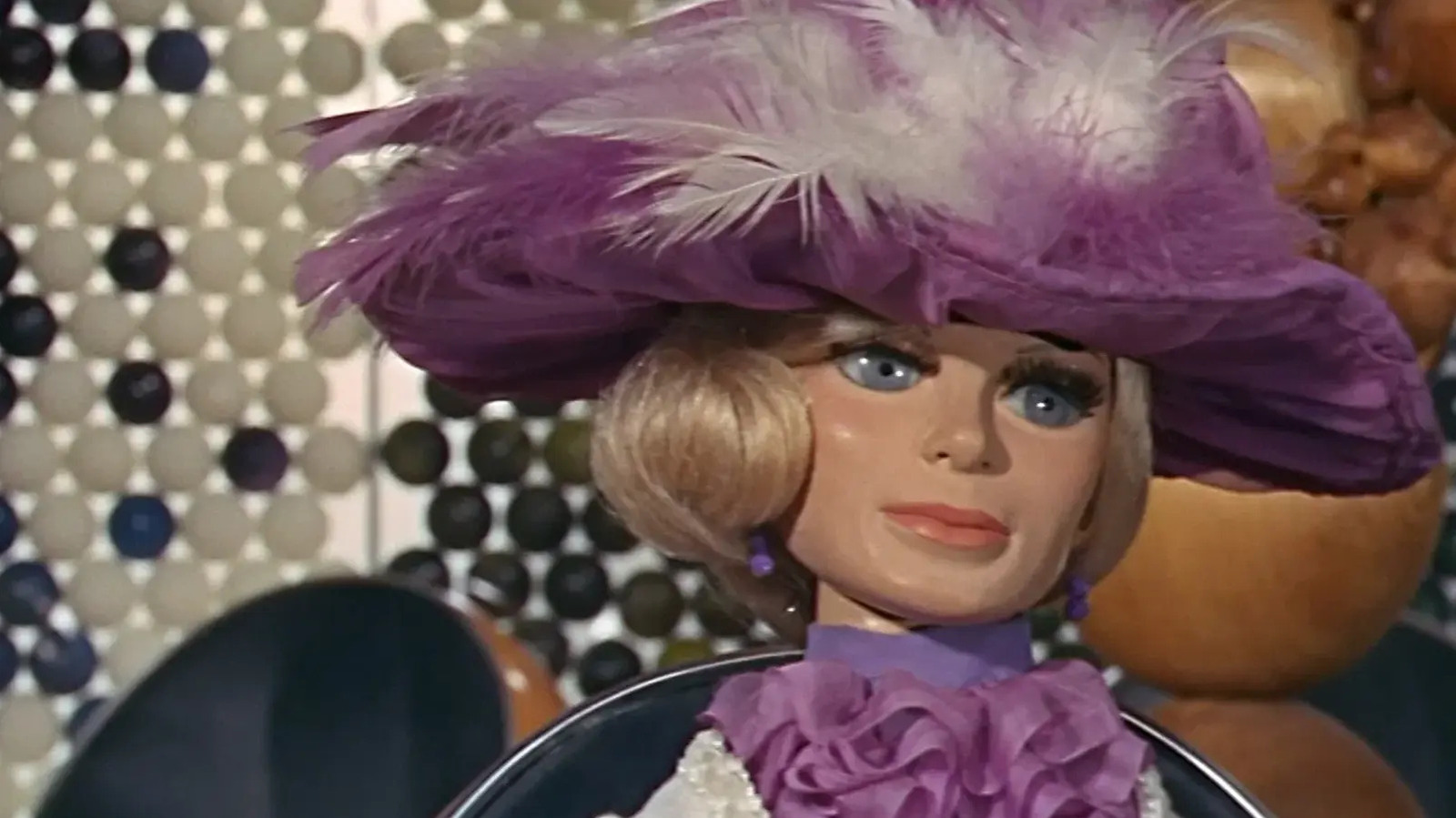
"Thunderbirds," created by Gerry and Sylvia Anderson, introduced audiences to the world of Supermarionation, a unique form of puppet-based entertainment. The series follows International Rescue, a team of high-tech vehicles piloted by the Tracy family, as they embark on daring rescue missions. The subsequent film adaptations, such as "Thunderbirds Are Go" and "Thunderbird 6," expand on the adventures of the Thunderbirds team, offering a blend of action, humor, and spectacle that captivates audiences of all ages. The innovative use of puppetry and miniature sets brings the characters and their vehicles to life in a way that is both charming and exhilarating.
In conclusion, the 1960s were a golden age for science fiction cinema, with a diverse range of films that pushed the boundaries of storytelling and visual effects. From the thought-provoking themes of "Nude on the Moon" to the chilling horror of "Matango" and the atmospheric mystery of "Planet of the Vampires," these films offer a glimpse into the creative and imaginative world of sci-fi filmmaking. "Thunderbirds" stands out as a unique and innovative series that continues to captivate audiences with its blend of puppetry, action, and adventure. Whether you're a seasoned sci-fi fan or a newcomer to the genre, these films are sure to entertain and inspire, inviting you to explore the vast and wondrous universe of science fiction storytelling.