Revitalizing American Shipbuilding: A National Security Imperative
Amid the heightened alert of the U.S. military due to the Iran conflict, there is a pressing national security concern within the American shipbuilding industry. The nation's shipbuilding program is sluggish, with limited commercial shipbuilding activities. Hanwha, a company that operates one of the few U.S. shipyards constructing large commercial cargo ships, primarily operates its main shipyard in South Korea. The disparity in ship production is evident, with the Philadelphia shipyard rolling out one ship annually compared to the South Korean shipyard's weekly output.
Michael Coulter, the head of Hanwha's U.S. operations, emphasizes the importance of domestic shipbuilding for national security reasons. The ability to secure commerce and export energy independently is crucial. The absence of U.S.-based shipbuilding poses economic and national security risks, especially in potential conflicts with countries like China, which could leverage its merchant fleet against the U.S.
The stagnation in the shipbuilding sector also affects the U.S. liquid natural gas industry. Despite being a leading natural gas producer, the U.S. lacks American-made LNG ships for transportation. The Jones Act mandates the use of American vessels for cargo transport between U.S. ports, but the absence of domestic LNG ships hinders the efficient distribution of natural gas within the country.
President Trump's recent suspension of the Jones Act amid the Iran conflict temporarily alleviates the transportation challenges within the U.S. oil and gas sector. Recognizing the shipbuilding crisis, Trump signed an executive order last year to address the industry's decline. Hanwha's acquisition of the Philadelphia shipyard aims to revitalize American shipbuilding, with plans to increase annual ship production significantly.
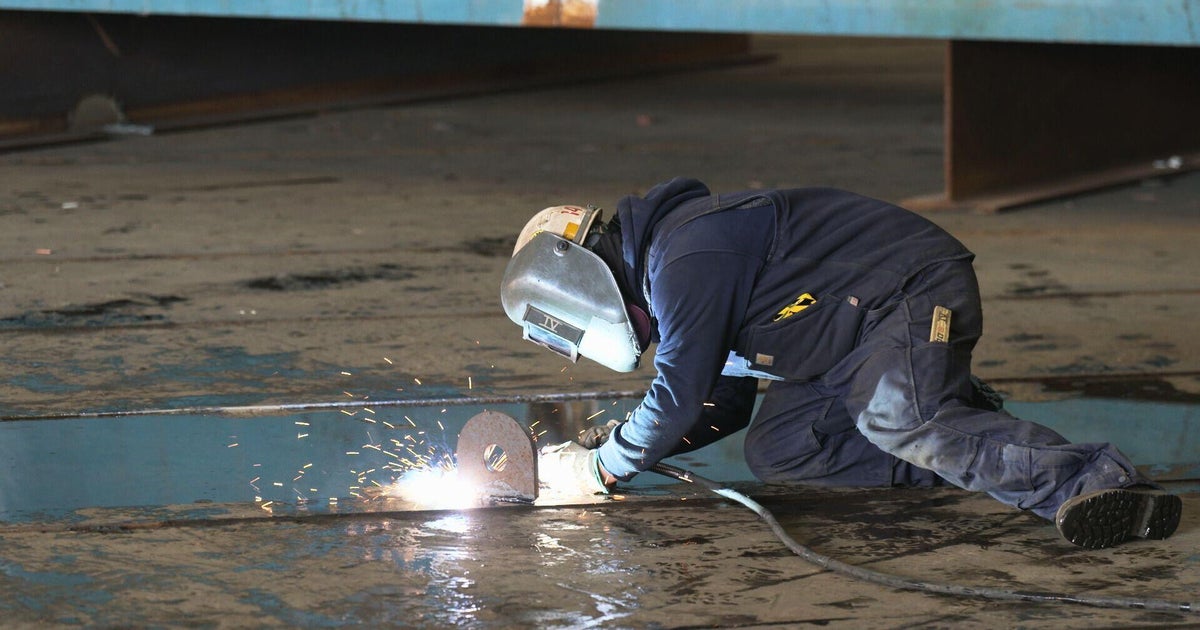
To enhance shipbuilding capabilities in the U.S., Hanwha has initiated a training program in Philadelphia, bringing in expertise from South Korea to educate American workers. The shortage of skilled labor in U.S. shipyards, including welders and pipe fitters, has been a longstanding challenge. The training program seeks to equip workers with the necessary skills to support the revitalization of the shipbuilding industry.
The integration of advanced technologies and automation is a key aspect of Hanwha's strategy to modernize shipbuilding in the U.S. By scaling up production and implementing efficient manufacturing processes, the company aims to lower costs and increase output. The utilization of robotics and automated equipment, as seen in the Korean shipyard, enhances productivity and workforce efficiency.
In addition to commercial ships, the Hanwha Korea shipyard also specializes in military vessel construction, including submarines. Given the U.S.'s need for submarines, Hanwha has expressed interest in supporting the U.S. submarine program. The collaboration between the U.S. and South Korean shipbuilding expertise could address critical defense needs and enhance national security capabilities.
Despite efforts to bolster the U.S. shipbuilding industry, challenges such as immigration policies and visa restrictions pose obstacles to attracting foreign expertise. The recent immigration enforcement actions targeting Korean workers in Georgia have raised concerns about visa regulations. The restrictive stance on immigration could hinder the recruitment of skilled workers essential for revitalizing the shipbuilding sector.
In conclusion, revitalizing the American shipbuilding industry is crucial for national security and economic stability. By leveraging international expertise, adopting advanced technologies, and addressing workforce shortages, the U.S. can strengthen its shipbuilding capabilities and enhance its position in the global maritime industry.