Tenant Union Fights Displacement Near Obama Presidential Center: A Battle for Affordable Housing in Woodlawn
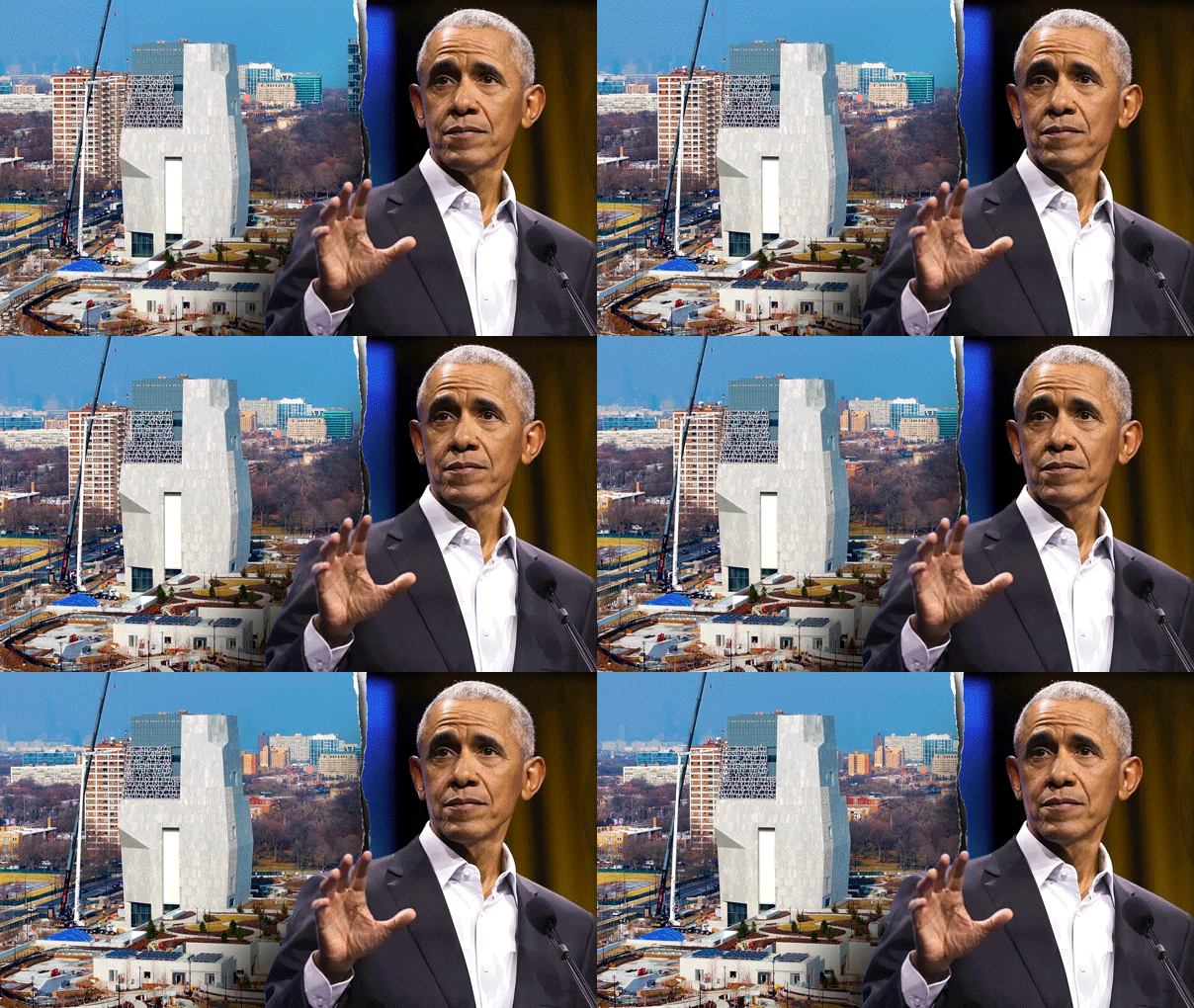
Residents of a rent-controlled building in Chicago's Woodlawn neighborhood have formed a tenant union to resist potential displacement and rent increases due to the development of the Obama Presidential Center nearby. The tenants fear that a California-based investor seeking to buy their building may renovate or demolish it, leading to their eviction. They argue that the $2,000 per household relocation offer is insufficient for them to find comparable housing in the changing neighborhood.
Many residents have lived in the building for decades, paying affordable rents between $700 and $800 per month. With the threat of rising rents or redevelopment looming, residents have banded together to confront the challenge of staying in their homes amidst the development pressures tied to the Obama Presidential Center. The building was previously owned by a nonprofit committed to affordable housing, but without those protections, residents feel vulnerable to market forces.
The standoff between the tenants and the potential buyer highlights the broader anxieties in Woodlawn regarding the impact of the Obama Presidential Center on the neighborhood. While the center promises jobs and investment, residents at Chaney Braggs Apartments are concerned about gentrification and displacement. They continue to organize and seek assistance from city and state officials to address their housing concerns.
As the Obama Presidential Center prepares to open in June, residents remain uncertain about the future of their building, potential rent hikes, and the role of city officials in protecting affordable housing in the area. The center, set to feature a museum tower, library, and community forum, has faced criticism for its public infrastructure costs and delays, raising questions about the overall impact of the project on the community.
In conclusion, the residents of the Woodlawn apartment building near the Obama Presidential Center have united to resist displacement and preserve affordability in their homes. Their efforts reflect broader concerns about the impact of the center on the neighborhood and highlight the challenges faced by low-income residents in the midst of development and gentrification pressures.