Exploring the Progressive Blues Rock Evolution of The Groundhogs in the Early 1970s
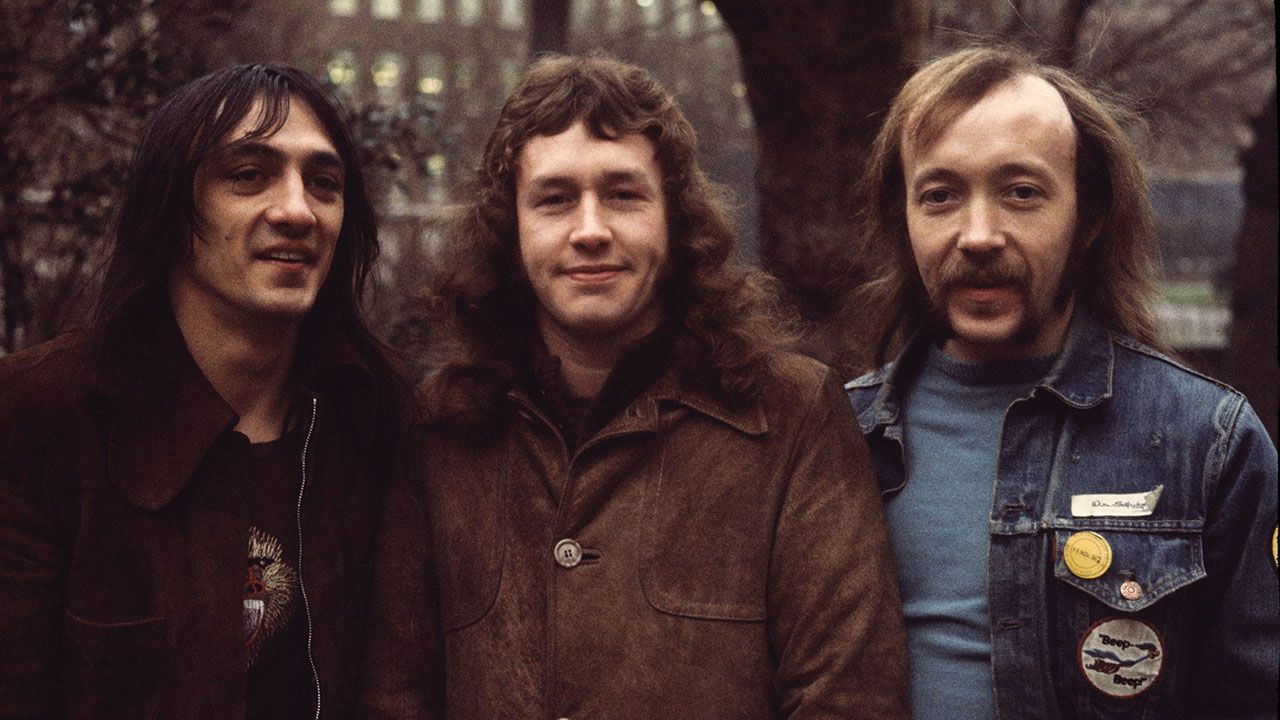
The Groundhogs, a band formed in 1963, were initially part of the British blues boom and gained recognition as John Lee Hooker's backing band. They transitioned towards a more experimental direction with their 1969 album, Blues Obituary, marking a departure from traditional blues. The band incorporated progressive elements into their music while maintaining their core sound, similar to other bands of the early 1970s like Led Zeppelin, Deep Purple, and Black Sabbath.
Led by singer and guitarist Tony McPhee, the Groundhogs released four ambitious albums between 1970 and 1972, including Thank Christ For The Bomb, Split, Who Will Save The World?, and Hogwash. These albums showcased a blend of progressive and blues rock, with the use of Mellotron and synth instruments. McPhee's desire to explore new directions and move away from traditional blues influenced the band's musical evolution.
The album Thank Christ For The Bomb, released in 1970, featured contrasting riffs and dynamic compositions that touched on themes of alienation and societal critique. The album's success elevated the Groundhogs' profile, leading to collaborations with emerging prog bands of the era. Split, released in 1971, delved into themes of mental breakdown and schizophrenia, drawing from McPhee's personal experiences.
Who Will Save The World?, released in 1972, showcased the band's progressive inclinations with jazzy riffs and Mellotron arrangements. The album's conceptual approach, addressing global issues, was complemented by a comic strip sleeve designed by Neal Adams. Despite mixed reception initially, the album has since garnered appreciation for its innovative approach.
Hogwash, released in 1972, marked the band's most overtly progressive album, featuring prominent use of Mellotron and synth. The album's sophisticated arrangements and challenging lyrics reflected McPhee's experimental impulses. However, Hogwash failed to chart, leading to the band's departure from United Artists and subsequent signing with WWA.
The Groundhogs' journey through the early 1970s exemplifies a unique blend of blues and progressive rock influences. While their experimental approach may not have propelled them to mainstream success, their innovative albums have earned them a dedicated fanbase and recognition from prominent musicians across genres.