Supreme Court Case on Late-Arriving Mail-In Ballots: Impact on Election Integrity
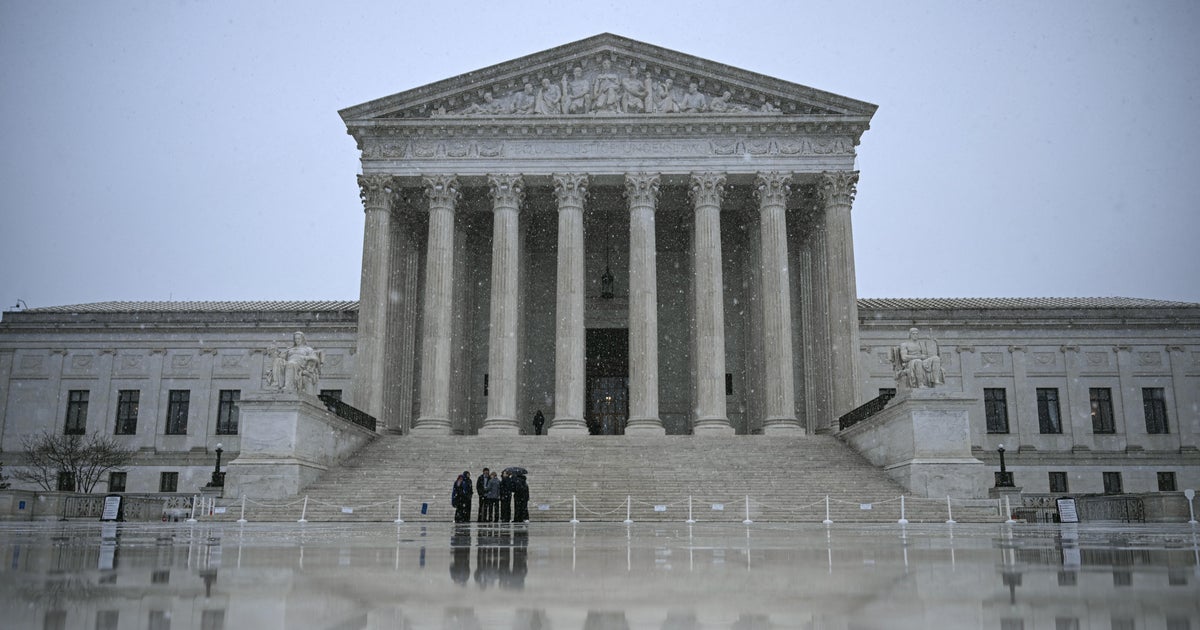
The Supreme Court is currently reviewing a significant elections dispute regarding the acceptance of mail-in ballots postmarked by, but received after, Election Day. This case involves Mississippi's law on late-arriving mail ballots and its potential conflict with federal statutes that establish Election Day as the Tuesday after the first Monday in November in certain years. President Trump's stance against mail voting, except for specific cases, adds to the significance of this case, with a decision expected before the November midterm elections.
All states require ballots to be marked and submitted by Election Day, but 14 states and the District of Columbia have grace periods allowing ballots postmarked by Election Day to be counted if received after that day. Additionally, 29 states and the District of Columbia permit some military and overseas ballots to be counted if received after Election Day. However, four states, including Kansas and Ohio, have eliminated grace periods, requiring mail ballots to be received by Election Day to be counted.
The case before the Supreme Court involves Mississippi's law, which allows mail ballots received up to five days after the election to be counted if postmarked by Election Day. Challenges to this law were filed by the Republican National Committee, the state GOP, and Mississippi's Libertarian Party, arguing that federal statutes mandate ballots to be received by Election Day. The U.S. Court of Appeals for the 5th Circuit ruled in favor of federal law, stating that ballots must be cast and received by state election officials by Election Day.
Mississippi Secretary of State Michael Watson is advocating for the Supreme Court to uphold the state's law, emphasizing states' authority to set rules for federal elections under the Constitution's Elections Clause. He argues that voters make their choice when marking and submitting their ballots, regardless of when election officials receive them. Conversely, the Republican National Committee urges the Supreme Court to support the 5th Circuit's decision, emphasizing that the election concludes when the ballot box is closed on Election Day.
The debate over late-arriving ballots extends beyond Mississippi, potentially impacting the laws of 29 states that accept some ballots after Election Day, particularly those from military and overseas voters. The Supreme Court's ruling in this case will have significant implications for the upcoming elections and the integrity of the electoral process.