The Legacy of Astro Boy: Pioneering Anime and Shaping Pop Culture
The world of anime has seen a significant evolution over the years, with platforms like Netflix and Crunchyroll offering a plethora of series for fans to enjoy. However, it all started with the iconic Astro Boy, created by Osamu Tezuka. This legendary series, originally known as The Mighty Atom, introduced viewers to a world where robots and humans coexist, with Astro Boy serving as Earth's protector against all threats.
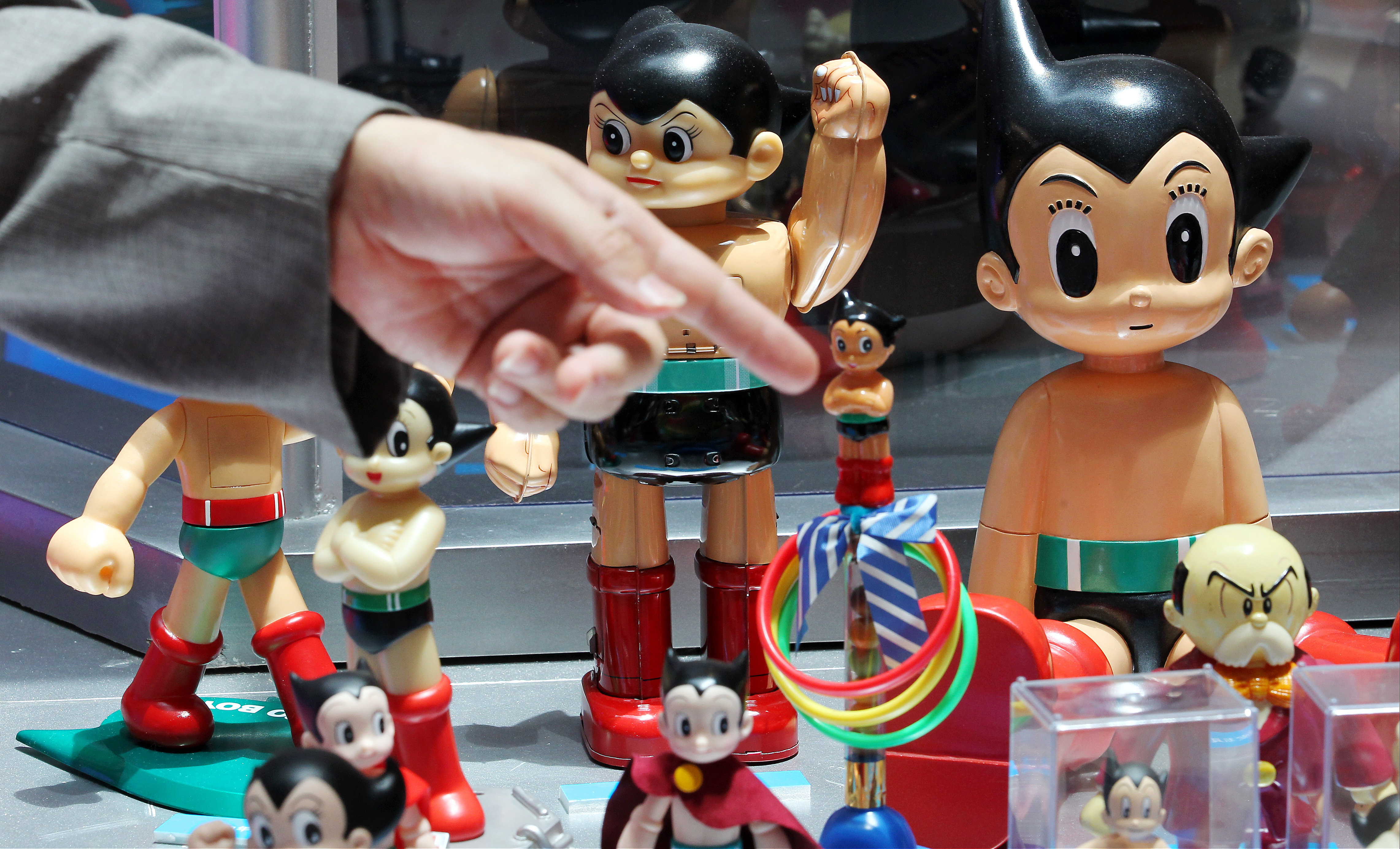
Premiering on New Year's Day in 1963, Astro Boy quickly became a cultural phenomenon, airing 193 episodes and garnering a massive viewership rate in Japan. The show's success led to a wide range of merchandise, generating billions in sales. Tezuka's innovative animation style and storytelling set the standard for modern anime, influencing series like One Piece and transforming the landscape of Japanese animation.
Astro Boy's origin story is rooted in tragedy, as Dr. Tenma creates Astro after the loss of his son Tobio in a car accident. This emotional backstory adds depth to Astro's character, as he navigates a world where he must defend the Earth from various threats. Tezuka's own experiences during World War II shaped the anti-war themes present in Astro Boy, highlighting the importance of preserving the planet's natural beauty.
Equipped with advanced technology and weaponry, Astro Boy is a formidable force against evil, with his iconic jet-powered flight and arsenal of weapons. The series delves into darker themes, such as the original finale where Astro sacrifices himself to save Earth from destruction. Despite its impact, some episodes faced controversy, like the "Midoro Marsh" episode that was deemed unsatisfactory by Tezuka and later released as a "lost episode."
Astro Boy's legacy extends beyond the screen, with Capcom's attempt to create a video game based on the character leading to the development of the iconic Mega Man franchise. The character's widespread popularity earned Tezuka comparisons to Walt Disney, with Disney himself acknowledging the impact of Astro Boy during a chance encounter with Tezuka. This meeting between two animation legends hints at a potential collaboration that could have reshaped the world of animation.
In conclusion, Astro Boy's influence on anime and popular culture is undeniable, paving the way for future series and captivating audiences with its timeless themes and characters. As fans continue to celebrate the legacy of Astro Boy, it serves as a reminder of the power of storytelling and the enduring impact of iconic characters in the world of animation.