The Legacy of Kermit Gosnell: Infamous Abortionist's Death Raises Questions on Abortion Practices and Regulation
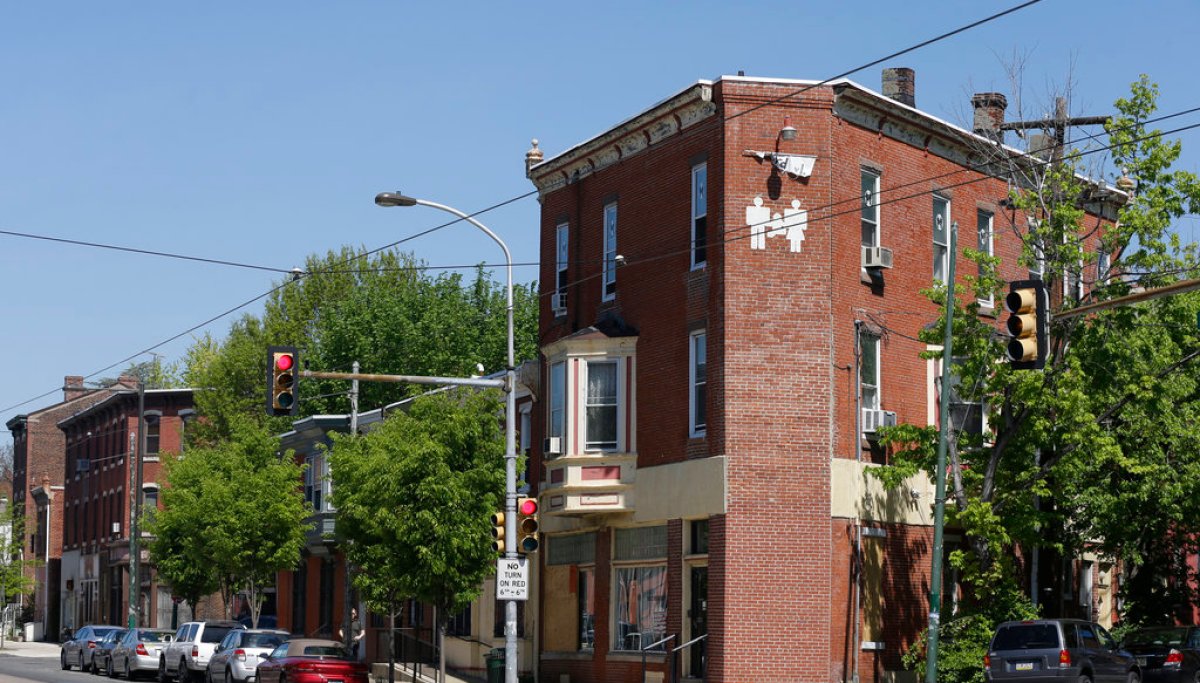
Kermit Gosnell, a former abortionist convicted of first-degree murder of born-alive infants during late-term abortions, passed away in state custody at the age of 85. He was serving three consecutive life sentences without parole in Huntingdon County. Gosnell's clinic, the Women's Medical Society in Philadelphia, gained notoriety as the "house of horrors" during his trial for illegal late-term abortions and infanticide. The case sparked debates on the duty to preserve infants born alive after failed abortions and the definition of infanticide in relation to abortion. Gosnell's clinic was raided in 2010, revealing unsanitary conditions and fetal remains stored in freezers.
Following a grand jury investigation, Gosnell was charged with first-degree murder for killing seven infants born alive during failed abortions. He was found guilty of three counts of first-degree murder and received additional sentencing for distributing controlled substances from his clinic. The unsafe conditions at Gosnell's clinic, including broken equipment and unhygienic practices, drew condemnation from activists on both sides of the abortion debate. The case highlighted the dangers of illegal abortion facilities and sparked public outrage over media coverage of the trial.
Gosnell's trial became a focal point for conservatives on social media who criticized mainstream media outlets for lack of coverage. The pressure eventually led to increased media attention on the case. Investigative journalist Ann McElhinney, who extensively covered Gosnell's trial, reported his death. She described Gosnell as a "chilling monster" who appeared charming despite his crimes. A nonprofit organization was named the conservator of Gosnell's former property in Philadelphia. The legacy of Kermit Gosnell's crimes continues to raise questions about abortion practices and the regulation of abortion facilities.