Unraveling the Cinematic Universe: A Critical Analysis of Batman v Superman and the Evolution of Superhero Movies
The concept of a "cinematic universe" has become a staple in the film industry, largely due to the success of Marvel Studios. Marvel's interconnected storytelling approach, leading up to the monumental release of The Avengers in 2012, set a new standard for superhero movies. This model allowed characters to cross over into each other's films, mirroring the comic book experience on the big screen.
Marvel's success sparked a trend where fans felt compelled to follow every storyline in the films, even for characters who may not have been considered solo movie material in the past. DC Entertainment sought to capitalize on this trend by launching its own cinematic universe following the lukewarm reception of Man of Steel in 2013. However, their attempt with Batman v Superman: Dawn of Justice in 2016 fell short creatively and failed to match Marvel's level of success.
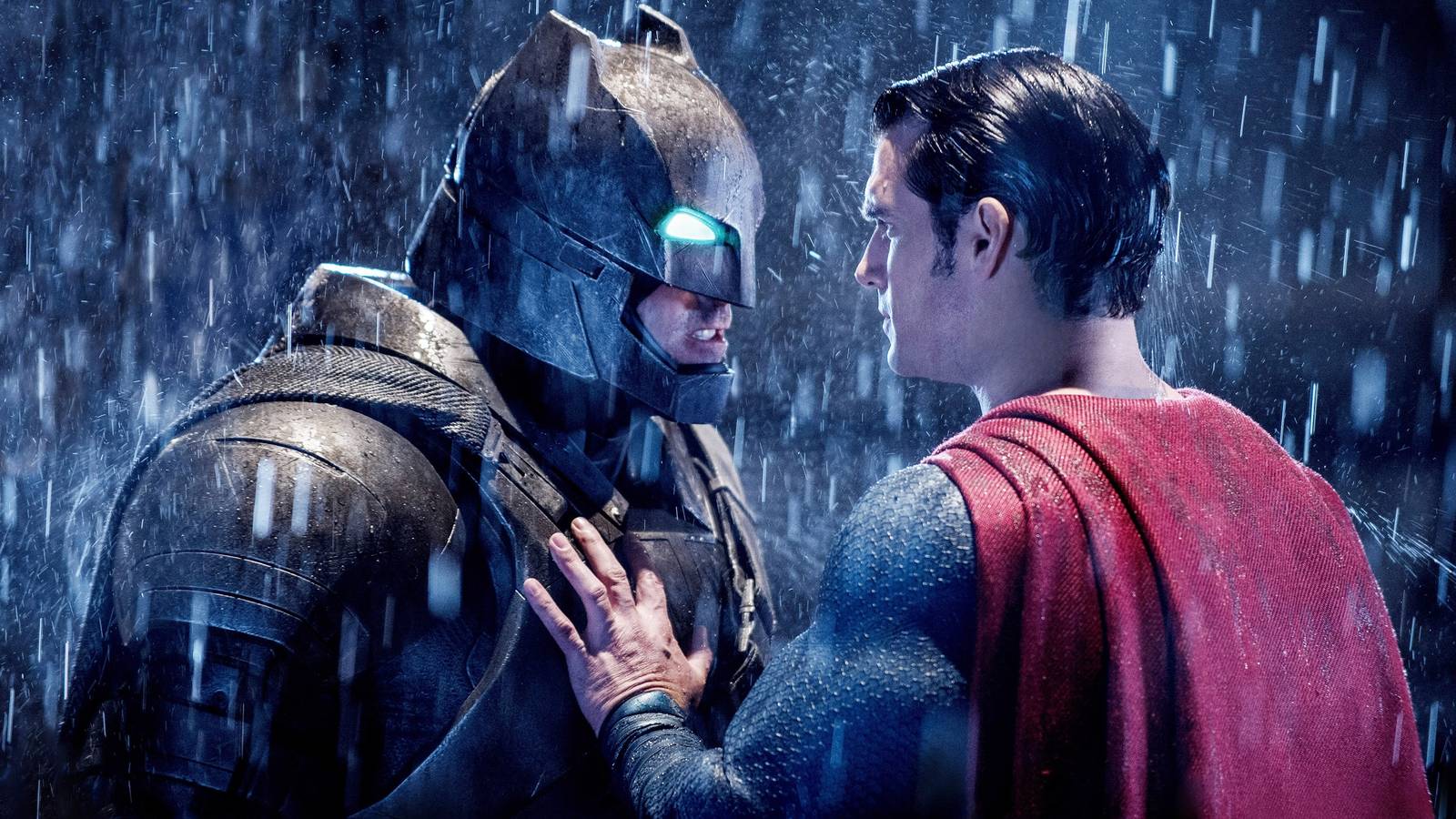
Batman v Superman begins by exploring the aftermath of the battle between Superman and General Zod in Man of Steel, with Bruce Wayne witnessing the destruction caused by these superpowered beings. The film portrays a darker version of Batman, whose primary solution is to kill his enemies, a departure from the character's traditional portrayal. Superman, on the other hand, is depicted as brooding and lacks opportunities to showcase his humanity to the public.
The clash between Batman and Superman is orchestrated by Lex Luthor, leading to a dramatic showdown that culminates in the infamous "Martha" moment. This pivotal scene attempts to humanize Superman in Batman's eyes but falls short in execution. Despite their differences, the heroes unite to face a new threat in Doomsday, setting the stage for the formation of the Justice League.
The film's attempt to introduce multiple plotlines and characters, including Wonder Woman, feels forced and detracts from the overall narrative. The rushed inclusion of Wonder Woman and the setup for future Justice League members lack thematic cohesion and emotional depth. Additionally, the decision to incorporate the Death of Superman arc further complicates the film's narrative structure.
Comparisons between Batman v Superman and Marvel's Captain America: Civil War highlight the contrasting approaches to building cinematic universes. While Marvel's method of gradual character development and storytelling continuity has proven successful, DC's rushed attempt to establish its universe through Batman v Superman ultimately fell short. The DCEU concluded in 2023, paving the way for a rebooted DC Universe under new leadership.
In conclusion, Batman v Superman: Dawn of Justice serves as a cautionary tale of the challenges faced when trying to emulate the success of Marvel's cinematic universe. Despite its ambitious scope and iconic characters, the film struggled to establish a cohesive narrative and failed to resonate with audiences in the same way as its Marvel counterpart. The evolution of superhero movies continues to shape the landscape of modern cinema, with each studio striving to create compelling and interconnected storytelling experiences for fans.