Controversy Surrounding Voter Registration Data Sharing Between Justice Department and DHS
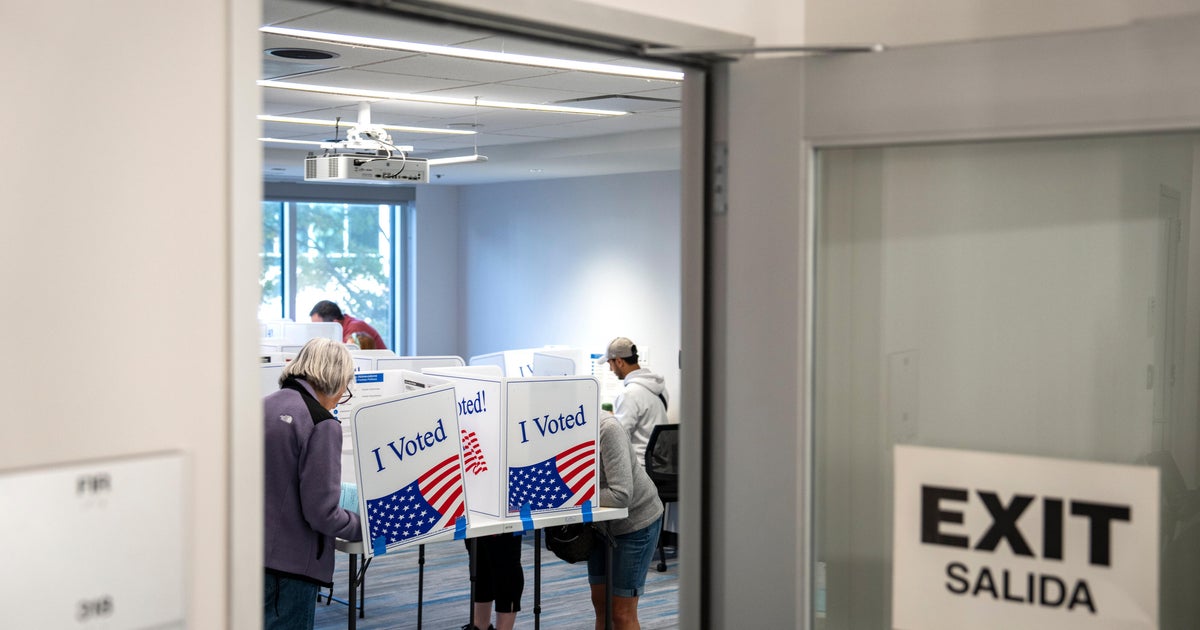
The Justice Department and the Department of Homeland Security are finalizing an agreement to share voter registration data for immigration and criminal investigations. The Justice Department's Civil Rights Division is collecting voter roll data from states to determine if non-citizens are unlawfully registered or have cast ballots in previous elections. The data-sharing arrangement is expected to involve matching voter registration data with DHS alien databases. The White House is also involved in discussions about the agreement, but the specific role is unclear.
The Justice Department is dedicating resources to ensure free and fair elections by maintaining voter rolls and focusing on American citizens' participation in elections. The Department of Homeland Security has not commented on the data-sharing arrangement. Some government lawyers have suggested providing raw voter data to DHS, while others prefer sharing specific information like voting history and eligibility documents. The Justice Department's Civil Rights Division is currently in litigation with 29 states and the District of Columbia over voter roll data.
The Justice Department has not disclosed its plan to share voter registration data with DHS in ongoing court cases. Legal experts suggest that withholding information could lead to sanctions for attorneys. The American Bar Association's model rule prohibits lawyers from knowingly making false statements to the court. The involvement of senior attorneys from the Civil Rights Division in discussions about the data-sharing plan has raised questions about transparency.
The Justice Department has filed lawsuits against states for not sharing voter registration data, citing federal laws that require clean voting lists. The Civil Rights Division claims it needs the data to ensure compliance with voting laws and the Civil Rights Act. The question of whether the data will be used for law enforcement or immigration purposes has been raised in court hearings. Justice Department attorneys have denied plans to use the data for immigration enforcement or to create a national voter database.
The Justice Department's efforts to collect voter registration data for immigration and criminal law enforcement have sparked controversy. The lack of transparency in disclosing the data-sharing agreement with DHS in ongoing court cases raises concerns about professional conduct. The involvement of senior attorneys from the Civil Rights Division in discussions about sharing voter roll data with DHS has led to questions about the government's intentions. The Justice Department's silence on its negotiations with DHS could potentially violate legal ethics rules.