Harmony Amidst Crisis: The Transformative Power of Music and Art in Promoting Peace
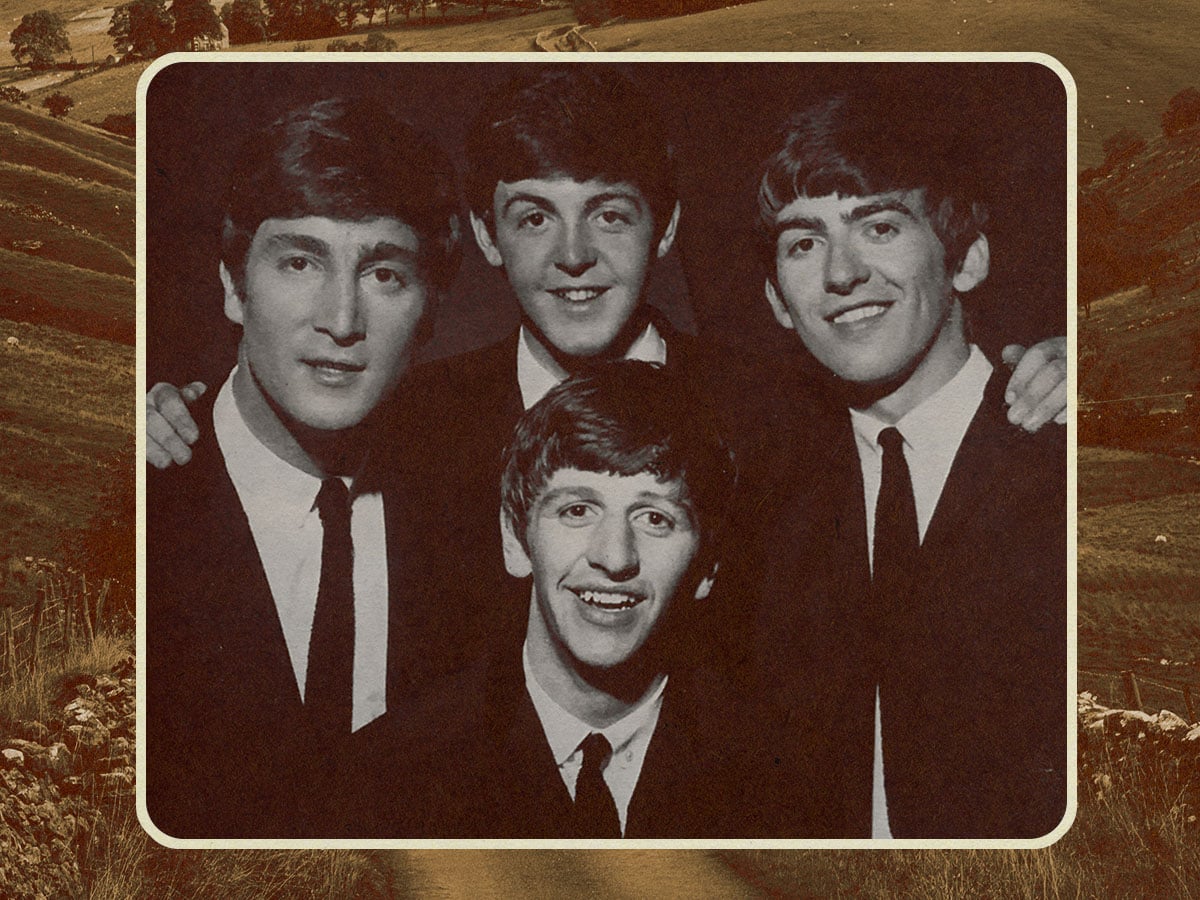
The significance of culture in times of crisis cannot be underestimated. Despite the prevalence of atrocities and conflicts worldwide, the impact of art and music in shaping historical events and promoting peace remains undeniable. Robbie Robertson, the late leader of The Band, emphasized the pivotal role that music played in influencing the Vietnam War and easing tensions between global superpowers during the Cold War era. His belief in the enduring power of art to inspire positive change was evident in his song 'Let Love Reign', inspired by John Lennon's call for peace.
In the midst of the current global permacrisis marked by numerous armed conflicts and full-scale wars, the echoes of past movements for peace and unity continue to resonate. The influence of iconic bands like The Beatles in diffusing the Cold War and challenging established ideologies is a testament to the transformative power of music. Even in the face of adversity, the message of love and peace conveyed through songs like 'All You Need Is Love' endures as a beacon of hope and unity.
The simplicity and universality of The Beatles' music transcended cultural and political boundaries, uniting millions of people around the world in a shared message of peace and freedom. The groundbreaking satellite broadcast of their performance in 1967 symbolized a moment of global solidarity during a time of turmoil and unrest. The enduring legacy of their music continues to inspire generations and serve as a reminder of the potential for art to effect positive change in society.
The ability of art to challenge authority, spark dissent, and mobilize public opinion is exemplified by the impact of music in shaping historical events. From the counterculture movements of the 1960s to contemporary protests against war and injustice, artists have used their platform to amplify voices of dissent and advocate for peace. The transformative power of music in influencing public opinion and fostering unity underscores the enduring relevance of cultural expression in times of crisis.
In conclusion, the enduring impact of art and music in shaping historical events and promoting peace highlights the importance of cultural expression in times of crisis. The ability of artists to challenge authority, inspire dissent, and mobilize public opinion underscores the transformative power of music in effecting positive change in society. As history has shown, the universal language of music has the potential to unite people across borders and generations, serving as a powerful tool for promoting peace and unity in a world marked by conflict and division.