Two Prosecutors: Unveiling the Sinister Depths of Authoritarianism in 1937 Soviet Union
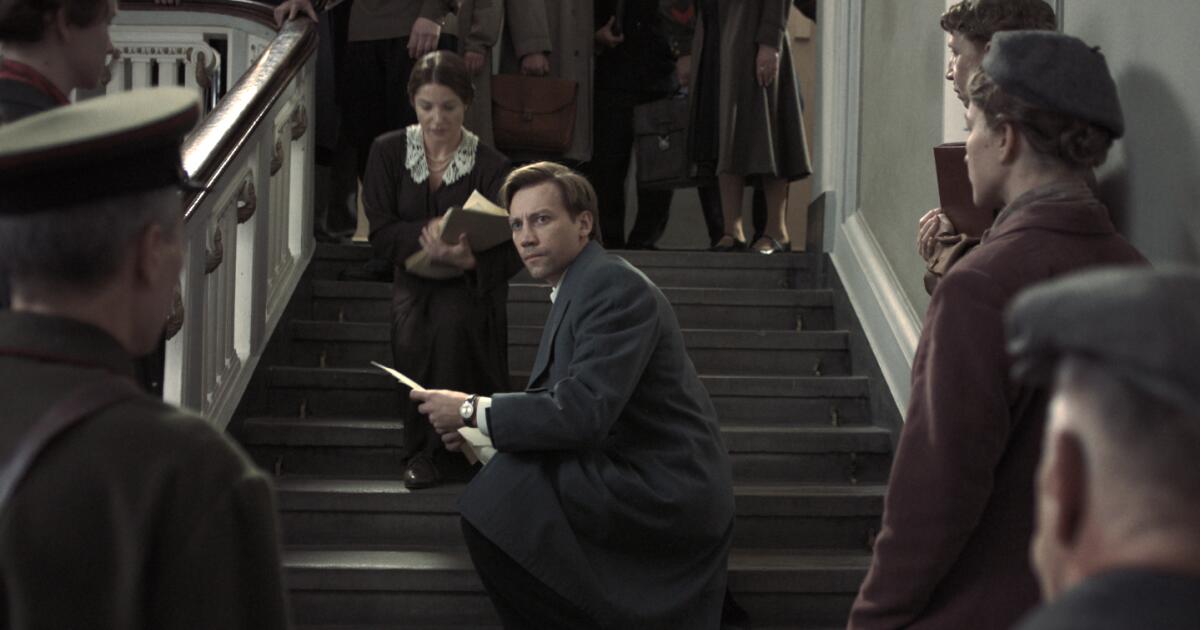
Sergei Loznitsa's latest drama delves into the sinister atmosphere of authoritarianism, where stairwells and hallways exude a palpable sense of menace. Set in 1937 Soviet Union, the film follows a newly appointed prosecutor, Kornev, as he navigates a corrupt prison system to uncover the truth behind a prisoner's plea for justice. Inspired by real-life accounts of the gulag, "Two Prosecutors" masterfully captures the suffocating grip of Soviet bureaucracy and the relentless pursuit of justice in a system rife with oppression.
The film's meticulous framing and locked-down camera work create a sense of claustrophobia and unease, mirroring the oppressive nature of the prison and the authoritarian regime. Kornev's unwavering determination to seek the truth propels the narrative forward, as he faces bureaucratic obstacles and personal risks in his quest for justice. Through subtle yet powerful performances, the film explores themes of morality, idealism, and the human cost of standing up to tyranny.
As Kornev's journey unfolds, the film delves into moments of surrealism and existential dread, highlighting the absurdity and cruelty of the system he is up against. With a keen eye for detail and a profound understanding of human behavior, Loznitsa crafts a compelling narrative that resonates with contemporary audiences grappling with issues of power, corruption, and moral decay. "Two Prosecutors" serves as a stark reminder of the dangers of unchecked authority and the enduring struggle for justice in the face of oppression.
In a world where authoritarianism looms large, "Two Prosecutors" offers a chilling portrayal of a society on the brink of moral collapse. Through its nuanced storytelling and evocative visuals, the film invites viewers to reflect on the fragility of justice and the resilience of the human spirit in the face of tyranny. As Kornev's fate unfolds, we are reminded of the enduring power of conscience and the courage it takes to confront injustice, even in the darkest of times.