Arctic Sea Ice Decline: Implications for Global Climate and Ecosystems
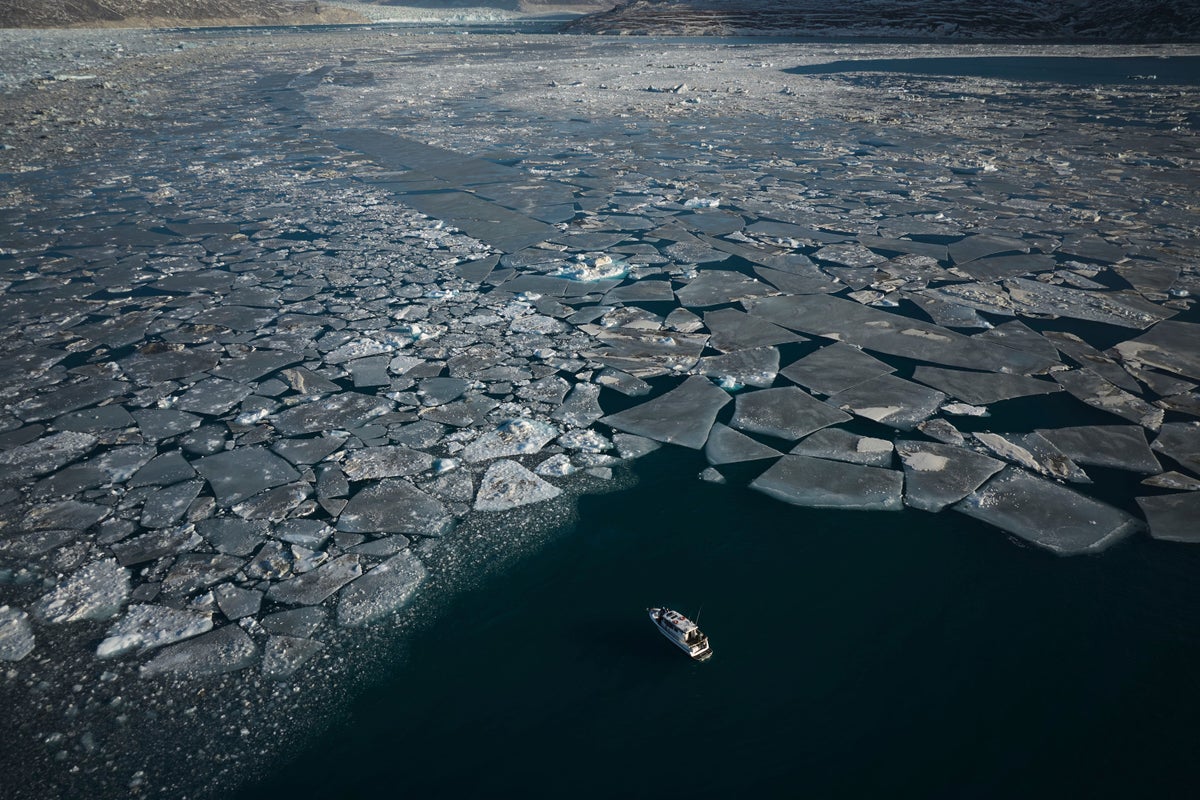
Arctic sea ice levels have reached their lowest point for the winter season, a concerning trend as the Earth experiences record-breaking temperatures worldwide. The decline in Arctic sea ice, particularly during the summer months, has significant implications for the planet's climate and ecosystems. The loss of sea ice not only affects wildlife like polar bears and seals but also opens up new shipping routes, leading to geopolitical shifts in regions such as Greenland.
Recent temperature records have been shattered across the United States, Mexico, Australia, Northern Africa, and parts of Northern Europe. Climatologists and weather historians have described the extreme heat events as unprecedented in world climatic history. The impact of rising temperatures is evident in the number of records broken in various locations, with some areas experiencing temperatures higher than ever recorded for the month of April.
While the Arctic sea ice continues to decline, Antarctica recently set a record for the coldest March day on record. The contrast between the warming Arctic and the cooling Antarctic highlights the complex dynamics of climate change on a global scale. The steady decline in Arctic sea ice each year reflects the ongoing trend of warming temperatures, leading to less ice formation and a head start on the summer melt season.
The summer melt season is a critical period for Arctic sea ice, as it influences the amount of heat absorbed by the oceans and contributes to atmospheric pressure changes. The reduction of white ice cover during the summer months has implications for the Arctic's temperature and weather patterns, potentially affecting the movement of the jet stream and leading to extreme weather events. While the winter maximum sea ice extent is a significant indicator of climate change, the variability of weather patterns means that a record low in March does not necessarily predict a record low for the summer season.
In contrast to the Arctic, Antarctic sea ice levels are influenced by local weather and ocean conditions. Despite fluctuations in sea ice extent, Antarctica has not reached the record low levels observed in recent years. The interplay between Arctic and Antarctic sea ice dynamics underscores the complexity of climate change and its impact on polar regions.
As the Earth continues to experience unprecedented temperature extremes and changes in sea ice levels, it is crucial to monitor and understand the implications for global climate systems and ecosystems. The ongoing decline in Arctic sea ice serves as a stark reminder of the urgent need to address climate change and its far-reaching consequences.