Unlocking Luffy's Power: A Deep Dive into the Gears of 'One Piece
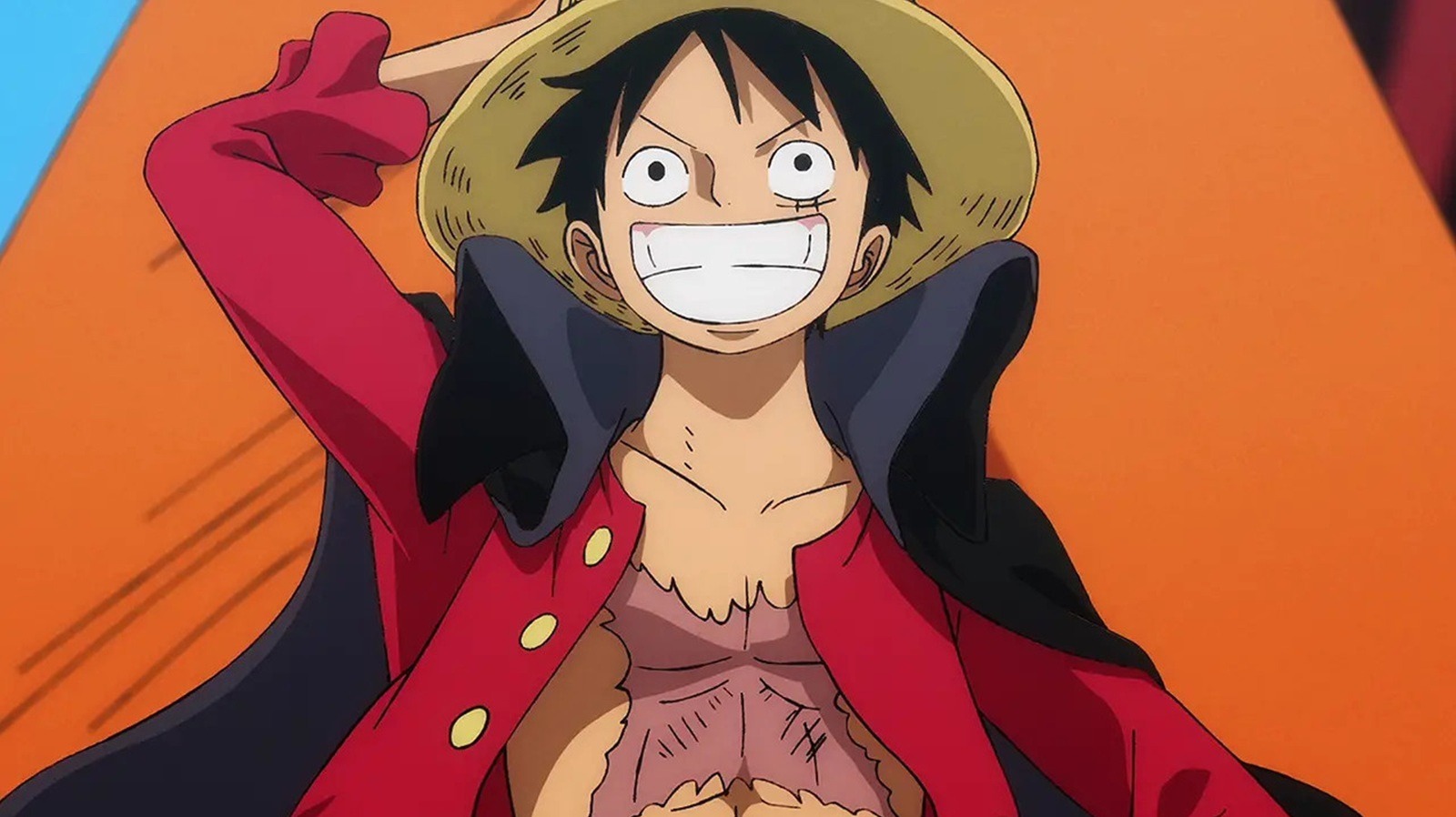
Power-ups are a common feature in anime and manga, with "Dragon Ball" being a significant influence on this trend. Eiichiro Oda's "One Piece," a best-selling comic series, is one of the works heavily inspired by "Dragon Ball." Set in a fantastical world, "One Piece" follows the adventures of characters with unique abilities, including power-ups that enhance their skills. One such character is Monkey D. Luffy, who gains various upgrades throughout the series, particularly through his devil fruit abilities. Luffy's power-ups, known as gears, play a crucial role in his battles and character development, each offering distinct advantages and transformations.
Luffy's base form, referred to as Gear 1, is his standard state without any special transformations. Despite being his weakest form, Gear 1 showcases Luffy's diverse range of attacks using his Gum-Gum Fruit abilities. These attacks, such as Gum-Gum Pistol and Gum-Gum Gatling, demonstrate Luffy's strength and creativity in combat. Additionally, Luffy can enhance his attacks with haki, a mysterious power in the "One Piece" world, to increase their effectiveness. Gear 1 highlights Luffy's strategic approach to fighting, relying on techniques rather than sheer power to overcome opponents.
Gear 3 is another power-up that Luffy acquires, allowing him to inflate a part of his body with air to enhance its strength. This transformation gives Luffy a giant-sized arm, enabling him to deliver powerful attacks like Gum-Gum Elephant Gun. While Gear 3 provides a strength-based upgrade compared to his speed-based Gear 2, it lacks visual impact and creative usage in battles. Additionally, using Gear 3 drains Luffy's stamina, leaving him in a weakened state after its effects wear off.
Gear 4 represents a significant evolution in Luffy's power-ups, focusing on his mastery of haki and adaptability in combat situations. This gear introduces different forms, such as Tankman and Snakeman, each offering unique abilities for defense and mobility. The physical transformation in Gear 4, particularly the Bounce-Man form, showcases Luffy's increased strength and agility, resembling a clown-like appearance. Despite its entertaining visuals, Gear 4's reliance on haki for power enhancement limits its overall impact on Luffy's fighting style.
Gear 2 stands out as a pivotal power-up in Luffy's arsenal, emphasizing speed and agility in battles. Inspired by witnessing superhuman speed from opponents, Luffy develops Gear 2 during a critical fight against Blueno in Enies Lobby. By increasing his blood flow and oxygen intake, Gear 2 boosts Luffy's speed to match his adversaries' abilities. Unlike other gears, Gear 2 symbolizes Luffy's dedication to training and improvement, making it a significant development in his character progression. The iconic pose associated with Gear 2 has become a memorable symbol of Luffy's determination and growth throughout the series.
In conclusion, Luffy's gears in "One Piece" represent essential power-ups that enhance his abilities and combat prowess. Each gear offers unique advantages and transformations, reflecting Luffy's growth as a character and his strategic approach to battles. While some gears prioritize strength or speed, others focus on adaptability and defense, showcasing the versatility of Luffy's fighting style. As Luffy continues his journey to become the Pirate King, his gears play a crucial role in overcoming challenges and adversaries, solidifying his status as a legendary figure in the world of anime and manga.