Unveiling the Enigmatic Legacy of Bauhaus: A Journey Through Goth's Pioneering Band
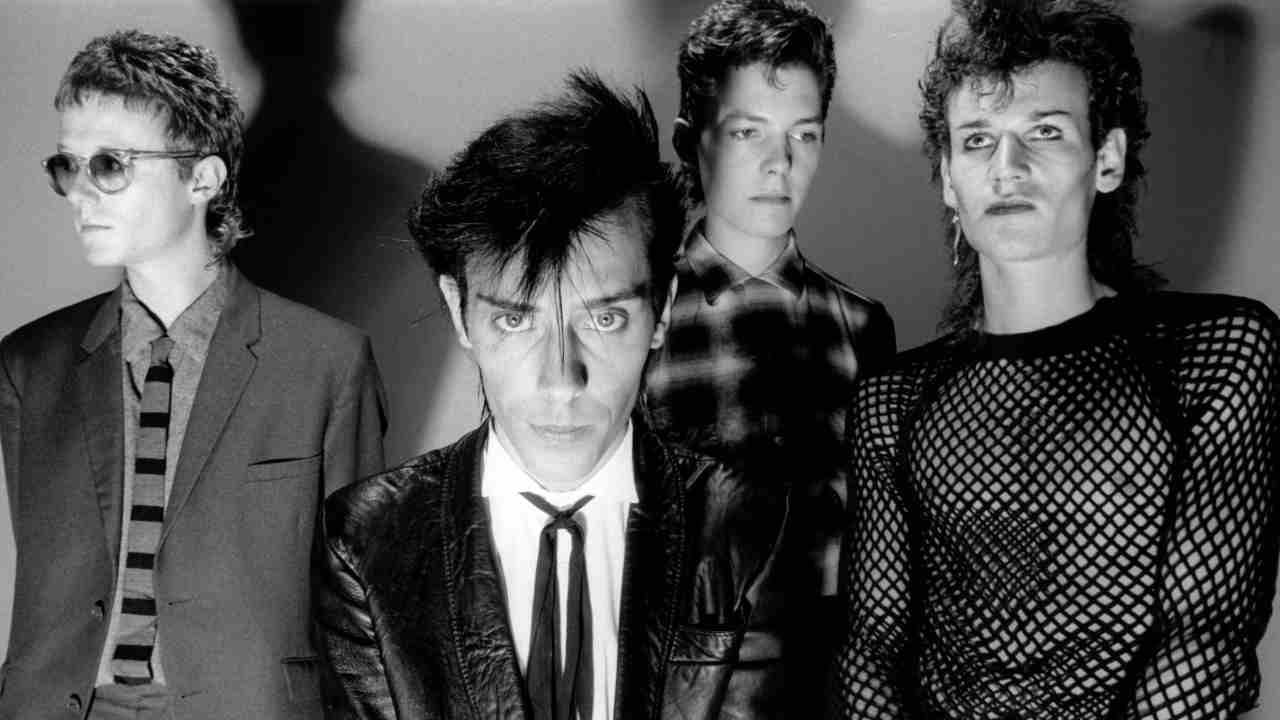
Bauhaus, a pioneering band in the goth genre, emerged in the late 70s and early 80s, leaving a lasting impact on the music scene. Despite their short-lived existence, they inspired a wave of black-clad bands and embarked on sporadic reunions from 1998 to 2022. Singer Peter Murphy, bassist David J, and drummer Kevin Haskins reflected on their unconventional career during a hiatus in 2012.
The eerie atmosphere of a hotel sets the stage for an interview with Peter Murphy, the enigmatic frontman of Bauhaus. His introspective musings touch on various topics, from Marilyn Manson to the band's unique artistic approach. Murphy's recollections offer a glimpse into the band's rebellious spirit and their rejection of mainstream trends.
Bauhaus, originally from Northampton, quickly gained a cult following with their darkly romantic aesthetic and minimalist sound. While often associated with the gothic label, the band members felt they transcended categorization and embraced a diverse range of influences. Their music, characterized by its theatricality and raw beauty, defied conventional norms and resonated with a dedicated fan base.
The band's discography, including iconic tracks like "Bela Lugosi's Dead" and "Kick In The Eye," showcased their innovative blend of glam, Krautrock, funk, and post-punk elements. Bauhaus's live performances were marked by a sense of divine madness and a quest for transcendence, offering audiences a mix of fantasy, celebration, and fatalism.
Despite internal tensions and creative differences, Bauhaus continued to push boundaries and challenge expectations. Their reunion tours in 1998 and 2005 reignited the band's fiery energy, drawing in new generations of fans and reaffirming their enduring legacy. However, the band's volatile chemistry ultimately led to their final disbandment, cementing their place in music history as trailblazers of the goth genre.
Reflecting on their impact, drummer Kevin Haskins acknowledges Bauhaus's influence on subsequent artists and the joy of performing for diverse audiences. Peter Murphy, ever introspective, questions the lasting resonance of Bauhaus's music and the nature of artistic validation. As the interview concludes, a sense of nostalgia and reverence lingers, underscoring the band's timeless allure and enigmatic legacy.