Ensuring Safety: The Need for Stricter Regulations on E-Bikes
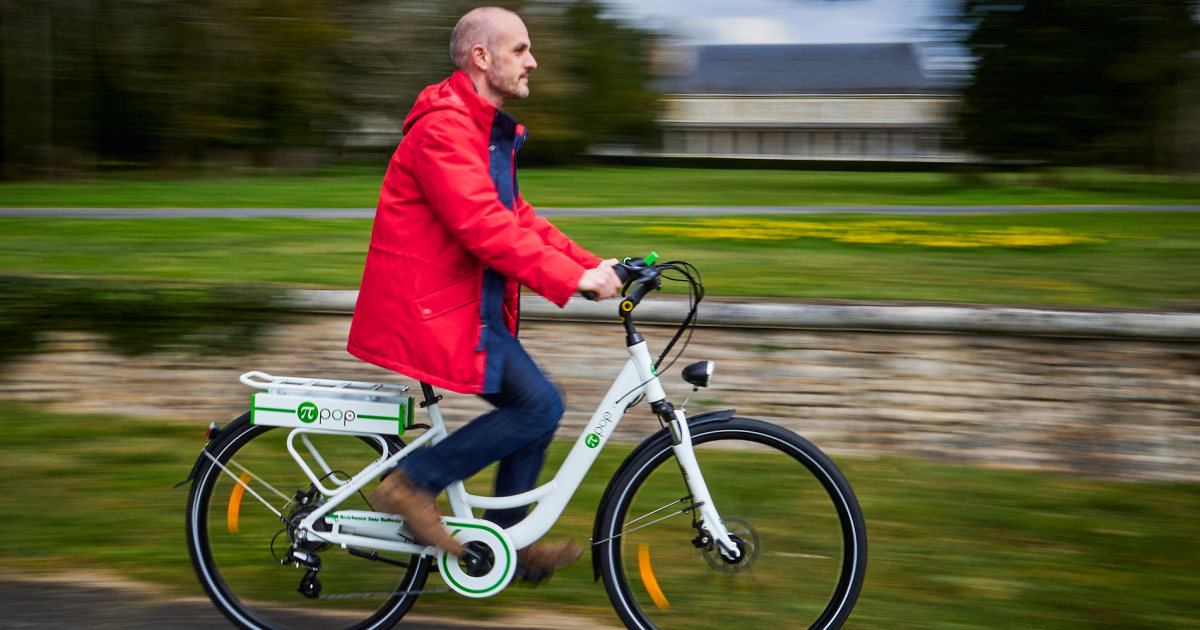
A 14-year-old boy riding an electric bicycle collided with a woman named Janet Stotko, leaving her severely injured. Stotko survived the accident after undergoing brain surgery and spending weeks in the hospital. She is now advocating for stricter regulations on e-bikes to prevent similar incidents.
E-bikes are becoming increasingly popular as a convenient and eco-friendly mode of transportation, but concerns about safety are rising. Studies have shown a significant increase in e-bike-related injuries in recent years, prompting calls for stricter laws and better enforcement of existing regulations.
Many states have implemented a three-tier classification system for e-bikes based on their speed capabilities. Class 1, 2, and 3 e-bikes have different motor specifications and speed limits. Some states also have regulations for faster e-bikes, known as e-motos, which can reach speeds of up to 40 mph.
Speed limits, helmet requirements, and other rules for e-bikes vary from state to state and are evolving rapidly. Cities like New York and states like Florida and Connecticut have recently implemented new laws to regulate e-bike use and improve safety for riders and pedestrians.
It is essential for e-bike riders to familiarize themselves with their bike's specifications and legal requirements. Visiting a local bike shop can provide valuable information and guidance on where e-bikes can be ridden legally. Safety organizations recommend wearing a helmet, riding defensively, using lights and reflective gear, and avoiding riding under the influence of drugs or alcohol.
In conclusion, as the popularity of e-bikes continues to grow, it is crucial for riders to be aware of the laws and safety guidelines in their area to prevent accidents and injuries. By following regulations and practicing safe riding habits, e-bike enthusiasts can enjoy their rides while minimizing risks to themselves and others.