Geopolitical Tensions Escalate: Russian Spy Satellites Capture Images of UK-US Base on Diego Garcia Amid Iran Conflict
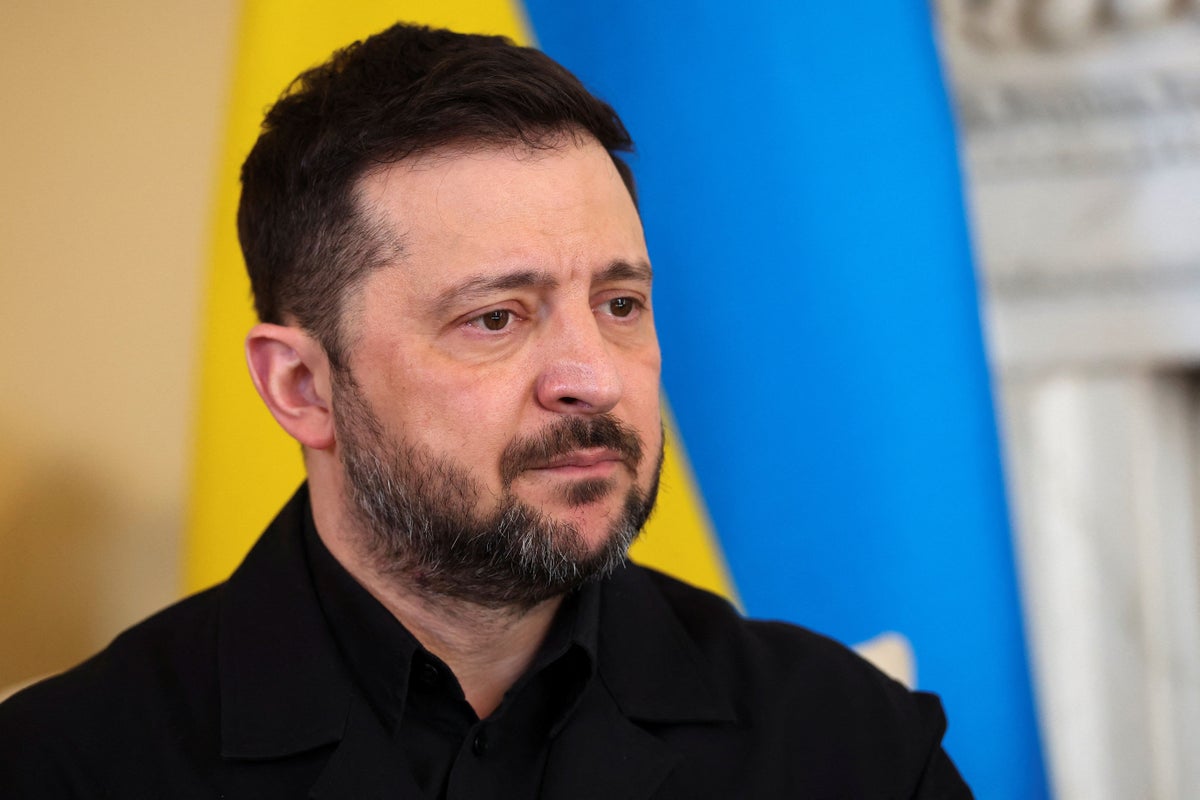
Russian spy satellites recently captured images of the UK-US base on Diego Garcia following Iran's launch of two ballistic missiles at the site, according to Ukraine's president, Volodymyr Zelensky. The photographs, taken in the interest of Iran, also included images of American and British troop bases in the Middle East. This revelation raises concerns about potential collaboration between Tehran and Moscow, as it is believed that Russia may have shared intelligence with Iran even before the conflict began. The images captured by the satellites show various military facilities and oil fields in the region, highlighting the complex geopolitical dynamics at play.
The Iranian attack on Diego Garcia occurred before March 24, with two ballistic missiles being launched at the base, located approximately 3,800km away. One missile failed in flight, while the other was intercepted by the US Navy. Diego Garcia has become a focal point in transatlantic relations, with the UK initially denying the US permission to conduct bombing raids against Iran from the base. However, following Tehran's attempt to target the base, the Prime Minister authorized limited strikes against Iranian threats to British interests in the region. Other key military installations, such as the Prince Sultan Air Base in Saudi Arabia and the Al Udeid Air Base in Qatar, have also been targeted by Iran, further complicating the situation.
As tensions escalate in the region, concerns about fuel shortages and rising petrol prices have intensified. The UK government faces mounting pressure to cancel a planned increase in fuel duty, which was announced in the last budget. The rise in fuel duty, set to take effect in September and December, has sparked debates about the country's energy security and reliance on imported oil. Education Secretary Bridget Phillipson emphasized the need for a de-escalation of the conflict to stabilize fuel prices and ensure supply chain resilience. However, the prospect of fuel shortages looms large, prompting calls for domestic oil and gas production to mitigate potential disruptions in the future.
With petrol prices soaring by over 12% since the conflict began, the average cost per litre is expected to surpass 150p for the first time in nearly two years. The situation remains fluid, with government officials and industry experts closely monitoring developments in the region. As the geopolitical landscape continues to evolve, the implications of the conflict on global energy markets and supply chains remain a key concern for policymakers and consumers alike.