Navigating Narrative Challenges: The Storytelling Struggles of "Battlestar Galactica
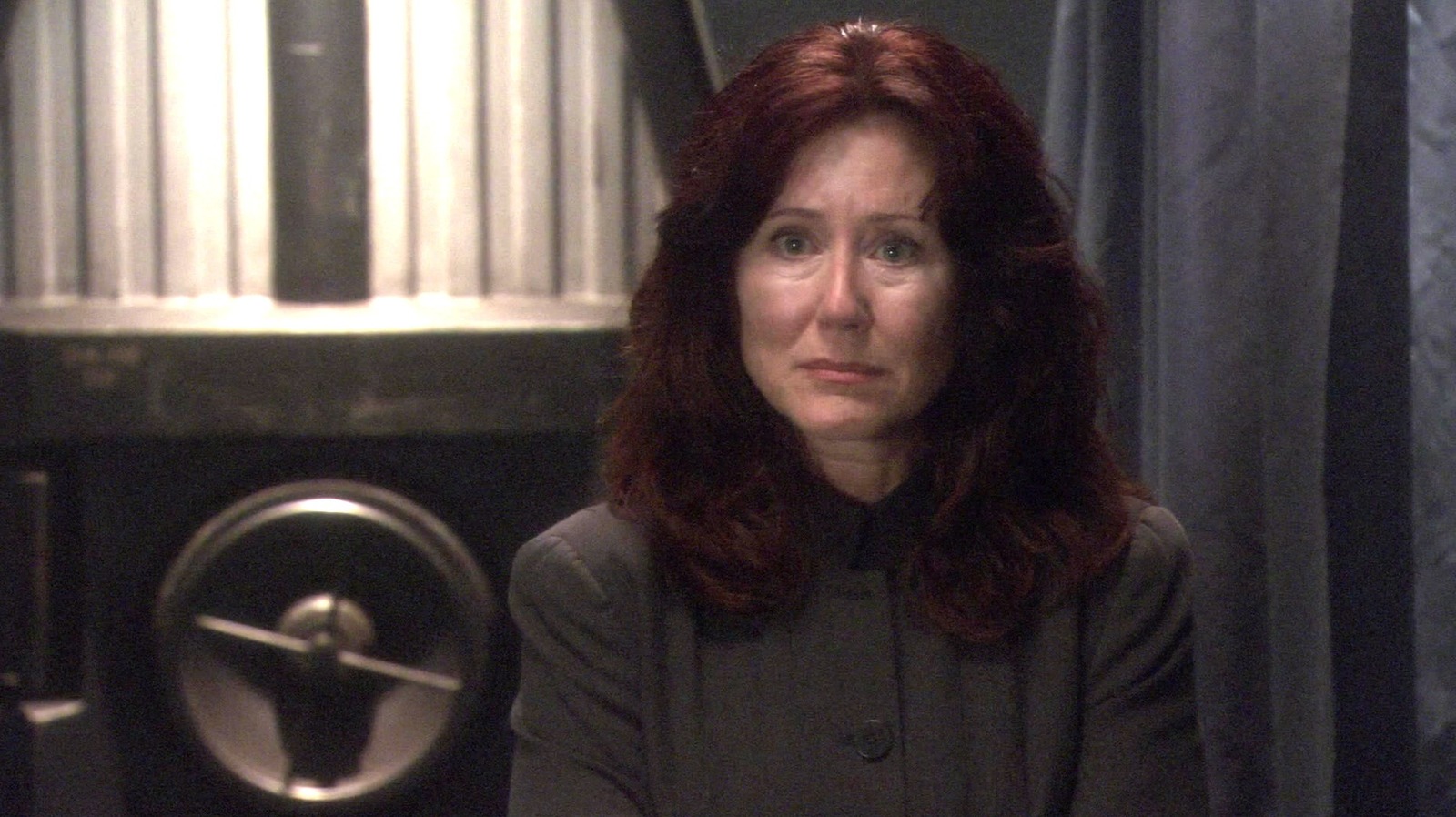
The reimagined version of "Battlestar Galactica" is a captivating TV series that, while not flawless, still delivers exceptional storytelling. The show's writers faced challenges as they navigated complex plotlines, particularly when it came to resolving key mysteries like the identities of the secret Cylons. Despite their ability to craft compelling narratives, they occasionally found themselves in difficult situations, especially as the series approached its conclusion.
One pivotal moment that highlighted the show's narrative struggles occurred in the season 2 episode "Epiphanies." The convergence of President Laura Roslin's terminal cancer diagnosis and Sharon Valerii's pregnancy with a half-human, half-Cylon baby presented a unique storytelling opportunity. The introduction of a cure for Roslin's cancer derived from Sharon's fetal blood introduced a touch of technobabble, a storytelling device that the show's co-creator Ronald D. Moore had sought to avoid after his experience with "Star Trek."
Moore's dissatisfaction with the excessive use of technobabble in "Star Trek" influenced his approach to storytelling in "Battlestar Galactica." While the show strived to maintain a level of scientific accuracy, the introduction of the Cylon blood cure for Roslin's cancer veered into the realm of convenient plot devices. Despite the narrative challenges posed by this storyline, the show's commitment to character development and political commentary remained a central focus.
The decision to shift away from the original stem cell concept for Roslin's treatment was a deliberate choice by the show's creators. By opting for a more simplified explanation, the episode aimed to prioritize the emotional impact of the storyline over technical details. While a more scientifically grounded approach may have added depth to the narrative, the show's focus on character dynamics and thematic resonance took precedence.
"Battlestar Galactica" was known for its exploration of contemporary political themes and social commentary. The character of Laura Roslin symbolized a desire for strong leadership and progressive values during a tumultuous political era. By weaving real-world issues into its narrative, the show engaged with its audience on a deeper level, reflecting the cultural and political landscape of the time.
In retrospect, the use of a "magic blood" solution to resolve Roslin's cancer storyline may have been a narrative shortcut. While the original stem cell concept would have provided a more grounded explanation, the show's creators ultimately chose to prioritize the emotional impact of the storyline. Despite its narrative complexities, "Battlestar Galactica" continued to captivate audiences with its rich character development and thought-provoking themes.