Revisiting Films of the 2010s: Critiques and Controversies in Modern Cinema
Movies are often considered products of their time, and as the years pass, some films begin to show their age. While many '80s hits have not aged well due to changing attitudes and advancements in technology, movies from the 2010s are also starting to reveal dated aspects. Films like "The Help," based on a 2009 novel, initially received critical acclaim but have since been criticized for perpetuating the "white savior" trope and failing to accurately portray racism in the 1960s South.
Similarly, "Blue is the Warmest Color," a coming-of-age drama, was praised for its love story but later faced backlash for its explicit content and allegations of mistreatment from the director. The movie's portrayal of a 15-year-old character in a sex scene and accusations of catering to the male gaze have led to a reevaluation of its initial acclaim.
R-rated comedies, known for pushing boundaries, are also subject to scrutiny as societal norms evolve. "Horrible Bosses," released in 2011, was well-received for its cast but has faced criticism for its portrayal of workplace sexual harassment, particularly the treatment of a male character by his female boss. In a post-#MeToo world, such depictions are no longer viewed as acceptable or humorous.
"Tron: Legacy," a sequel to the 1982 sci-fi film "Tron," was praised for its visual effects and soundtrack but has since been criticized for its use of de-aging technology, which now appears outdated. The movie's reliance on style over substance has led to a reevaluation of its impact and legacy in the sci-fi genre.
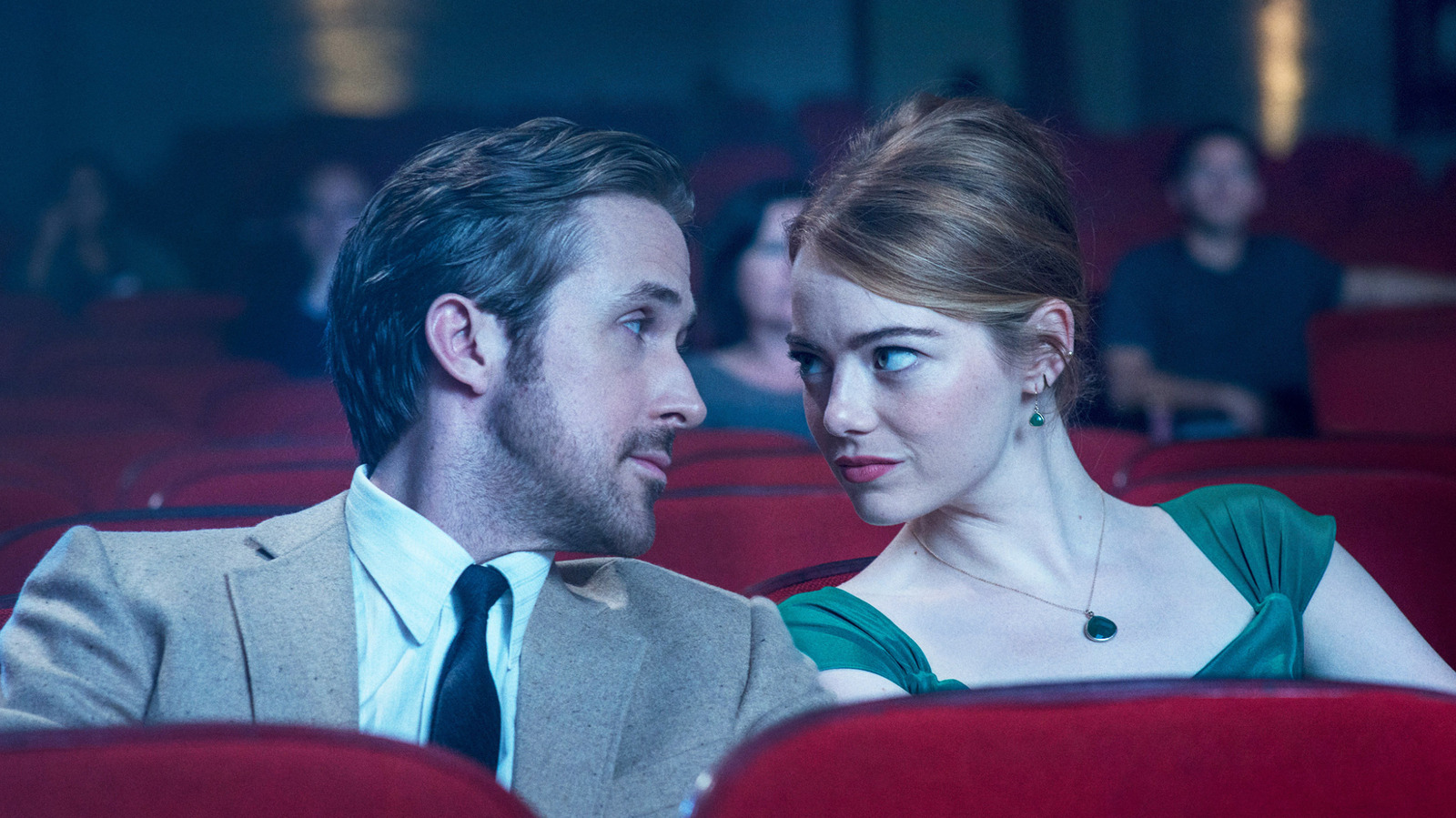
"La La Land," a 2016 musical, initially celebrated for its homage to Hollywood and musicals, has faced criticism for perpetuating the "white savior" trope in its portrayal of jazz music. The movie's focus on a white character saving a dying musical genre rooted in black history has been viewed as problematic in hindsight.
Marvel Cinematic Universe movies, like "Avengers: Age of Ultron," have also faced scrutiny for their handling of characters and storylines. The forced love subplot between Natasha and Bruce Banner in "Age of Ultron" and the portrayal of Natasha as a one-dimensional character have been criticized for their lack of depth and development.
"Hidden Figures," a 2016 biopic about black NASA mathematicians, initially praised for highlighting overlooked contributions to the Space Race, has faced criticism for its glossing over of historical events and focus on a feel-good narrative. The movie's portrayal of triumph over adversity has been reexamined in light of calls for a more nuanced and accurate representation of the women's achievements.
As societal attitudes and perspectives continue to evolve, films from past decades are subject to reevaluation and criticism for their portrayal of sensitive topics and outdated themes. It is essential to consider the context in which these movies were made and how they are viewed through a modern lens to understand their impact on audiences today.