Advancing Gender Equality in Climate Litigation: The Role of the International Court of Justice
Climate litigation is on the rise, with a recent landmark ruling from the International Court of Justice (ICJ) affirming that states have a legal obligation to address the climate crisis. This ruling stemmed from a case championed by law students in Fiji and supported by Vanuatu, highlighting the existential threats faced by nations with minimal emissions contributions. The decision opens the door for accountability for climate harm, particularly targeting the largest greenhouse gas emitters.
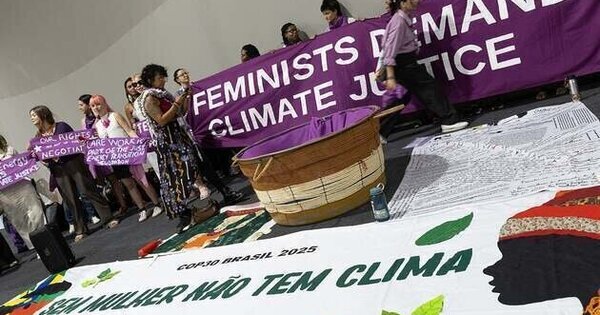
Women and girls, especially in the Global South, are disproportionately affected by climate change, as evidenced by the Intergovernmental Panel on Climate Change (IPCC) and UN Women reports. Discriminatory laws and social norms limit women's access to resources, exacerbating the impacts of climate disasters. The ICJ advisory opinion emphasized the need for gender-responsive climate action, urging countries to consider the specific needs and rights of women and girls in their climate plans.
The Gender Equality and Climate Policy Scorecard, launched by UN Women and the Kaschak Institute, highlights the gaps in addressing gender inequalities in climate policies. While economic security is a common focus, critical areas like women's health, unpaid care work, and gender-based violence prevention are often neglected. The scorecard identifies key areas for action, emphasizing the importance of women's participation, data collection, and access to climate finance in driving meaningful change.
Closing the gap between the impacts of climate change on women and government commitments requires meaningful participation of women in decision-making processes, improved data collection to address inequalities, and dedicated climate finance that reaches frontline communities. The ICJ's recognition of reparations for climate harm caused by historic emitters provides a legal basis for shifting climate finance from charity to responsibility, ensuring that those most affected receive the support they need.
The ICJ's ruling presents a significant opportunity for gender equality and climate advocates to push for justice and accountability. The success of these efforts will depend on governments, courts, and institutions prioritizing the needs of those most affected by the climate crisis in their future actions and policies.