Supreme Court Debate: Trump's Birthright Citizenship Order and the Future of American Citizenship
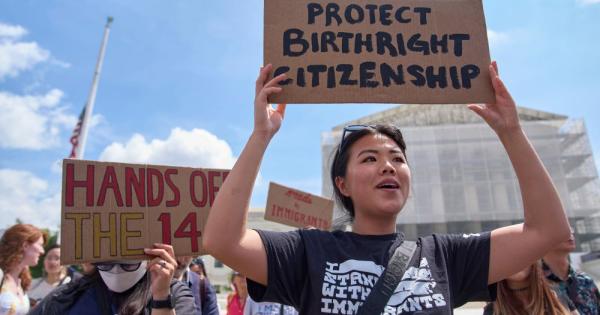
The upcoming Supreme Court debate on April 1 will focus on President Donald Trump's attempt to restrict automatic citizenship for children born in the United States. The court's decision, expected before the nation's 250th anniversary, will address Trump's executive order aiming to redefine birthright citizenship. The 14th Amendment, which grants citizenship to those born in the U.S., is at the center of the debate, with Trump arguing for a narrower interpretation excluding children of non-citizen parents.
Trump's executive order, titled “Protecting the Meaning and Value of American Citizenship,” seeks to limit birthright citizenship to children with at least one American citizen or lawful permanent resident parent. This order is part of a series of immigration policy changes that have been described as some of the most significant in modern U.S. history. The Supreme Court's involvement in this case highlights the tension between presidential authority over immigration and the constitutional definition of American citizenship.
The legal battle over Trump's birthright citizenship order has seen challenges from affected families and advocacy groups like the ACLU. The case represents a fundamental question about the identity of Americans and the historical significance of birthright citizenship. While Trump and his supporters argue for a more restrictive approach to citizenship, opponents stress the importance of birthright citizenship as a foundational principle of the nation. The Supreme Court's ruling will have far-reaching implications for the future of American citizenship and immigration policy.