Unprecedented Heat Wave in U.S. Southwest: A Harbinger of Climate Change
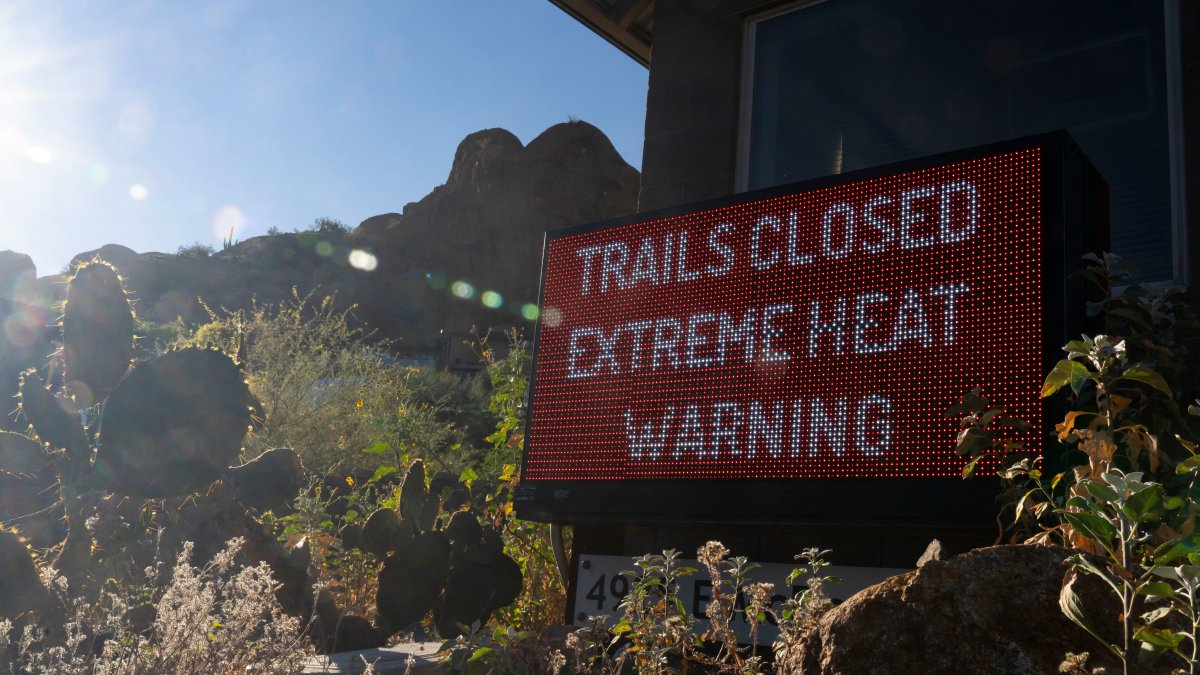
The recent heat wave that swept through the U.S. Southwest in March broke records and highlighted the increasing frequency of extreme weather events due to Earth's warming. These unprecedented and deadly weather extremes are occurring more frequently, putting more people at risk. The Southwest experienced deadly heat, with temperatures reaching 112 degrees Fahrenheit in two Arizona communities and two places in Southern California, all within close proximity to each other. Climate scientist Andrew Weaver described this as a clear indication of climate change, with once unprecedented events now becoming regular occurrences in a warming world.
A report by World Weather Attribution stated that March's heat wave would have been nearly impossible without human-caused climate change. The extreme nature of this event places it in a category with other ultra-extreme weather events, such as the 2021 Pacific Northwest heat wave and the 2022 Pakistan floods. The frequency of extreme weather events in the U.S. has doubled in the past five years compared to 20 years ago, according to the National Oceanic and Atmospheric Administration's Climate Extremes Index.
The United States is breaking more hot weather records now than in previous decades, with a significant increase in the number and cost of billion-dollar weather disasters. The rise in extreme weather events is changing the risk landscape and putting more people in dangerous situations. Climate Central Chief Meteorologist Bernadette Woods Placky emphasized that these extreme events are pushing boundaries and changing our relationship with weather, leading to new levels of risk across various types of weather.
In conclusion, the recent heat wave in the U.S. Southwest is a stark reminder of the impact of climate change on extreme weather events. As these events become more frequent and severe, it is crucial to address the underlying causes of climate change and take action to mitigate its effects on our environment and communities.