Unraveling the Mystery: The Identification of Walter Karl Kinney's Remains Through Investigative Genetic Genealogy
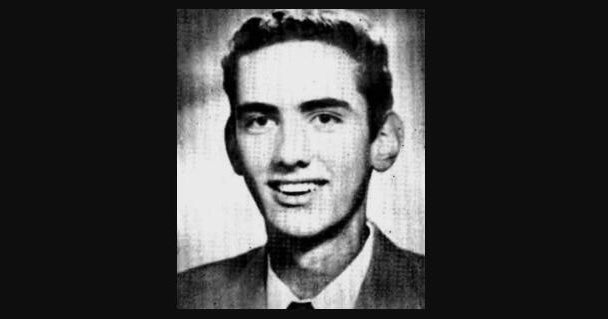
A human bone discovered on a California beach in 2022 has been identified as belonging to Walter Karl Kinney, a man who went missing over two decades ago. Kinney, a former banker from Santa Rosa, was last seen in 1999. The bone, possibly a tibia, was found by a family searching for sea shells at Salmon Creek State Beach. Investigative genetic genealogists from the DNA Doe Project were able to link the bone to Kinney's missing person case by conducting forensic tests and tracing his relatives.
The discovery of Kinney's bone on the beach led to the resolution of a long-standing mystery. Interestingly, Kinney had been previously connected to another John Doe case when human remains found in Bodega Bay were later identified as his. This unusual occurrence caught the attention of investigators and highlighted the importance of collaborative efforts in solving such cases.
The partnership between the Sonoma County Sheriff's Office and the DNA Doe Project played a crucial role in identifying Kinney's remains. Sheriff Eddie Engram expressed gratitude to the nonprofit for their assistance in putting a name to the human remains found at Salmon Creek Beach. The successful identification of Kinney underscores the significance of utilizing advanced forensic techniques like investigative genetic genealogy in resolving cold cases.
Kinney's daughter provided insights into her father's character, describing him as smart and sensitive. She shared that the world seemed too harsh for him, shedding light on the personal aspect of the case. Investigative genetic genealogy, a cutting-edge method that combines DNA analysis and familial connections, has been instrumental in solving long-standing missing person cases, such as that of Kinney and other individuals declared deceased years ago.
The use of investigative genetic genealogy has proven to be a valuable tool in unraveling mysteries surrounding missing persons and unidentified remains. By leveraging DNA tests and familial relationships, investigators can bring closure to families and communities affected by unresolved cases. The identification of Walter Karl Kinney's remains serves as a testament to the power of collaboration and innovative forensic techniques in solving cold cases and providing answers to long-standing questions.