Birthright Citizenship Battle: Trump v. Barbara - A Supreme Court Showdown
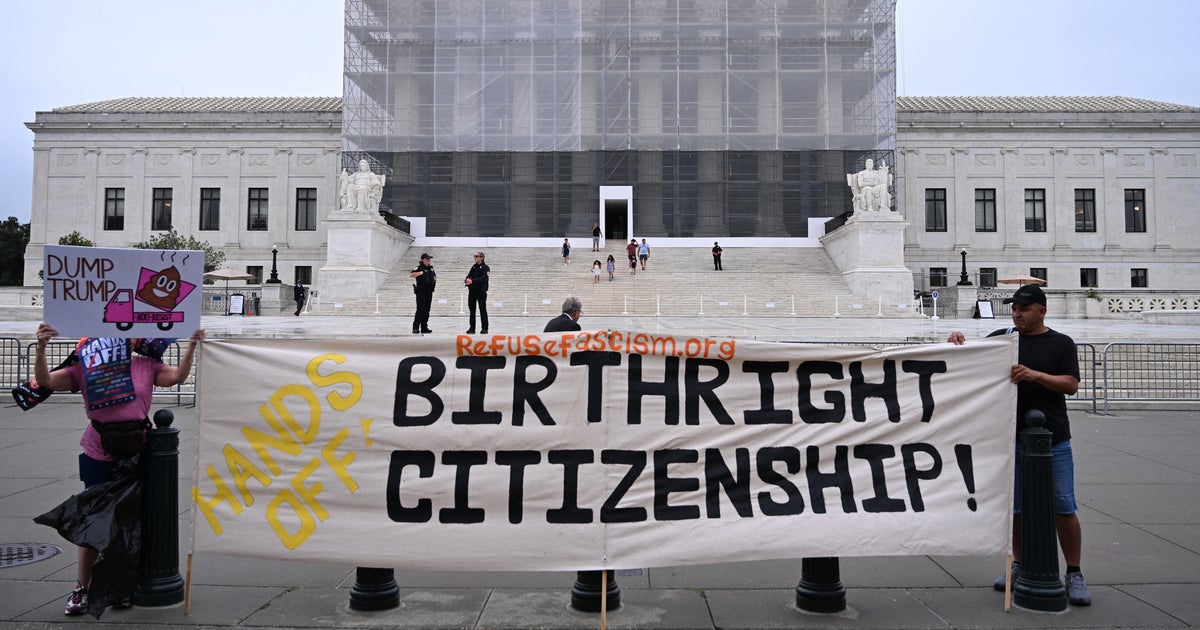
The Supreme Court is set to consider the constitutionality of President Trump's executive order on birthright citizenship, a key element of his immigration agenda. The case, known as Trump v. Barbara, questions whether the order aligns with the 14th Amendment's Citizenship Clause and federal immigration law. The court's conservative majority has previously ruled in favor of the president's immigration policies, but opponents hope for a different outcome in this case, especially after a recent decision against Mr. Trump's tariffs. The president has criticized the Supreme Court and expressed concerns about the upcoming ruling.
The 14th Amendment, enacted after the Civil War, guarantees citizenship to individuals born or naturalized in the U.S. and subject to its jurisdiction. While the amendment has traditionally granted citizenship to almost all babies born on U.S. soil, Mr. Trump's order takes a more restrictive approach. The administration argues that children born to undocumented or temporary residents should not automatically receive citizenship. The order has faced legal challenges and has not been implemented due to lower courts deeming it likely unconstitutional.
The dispute before the Supreme Court involves plaintiffs seeking to block the executive order, arguing that it goes against the Constitution's principles. The administration contends that the longstanding interpretation of birthright citizenship has led to misuse and incentivized illegal immigration. The case revolves around differing interpretations of the phrase "subject to the jurisdiction thereof" in the 14th Amendment, with both sides presenting historical arguments to support their positions.
Conservative legal scholars have debated the interpretation of the 14th Amendment, with some supporting the administration's view that birthright citizenship has been misapplied for decades. The administration cites the 1898 case of United States v. Wong Kim Ark to support its stance that citizenship should be limited to certain individuals. However, opponents argue that the Constitution and subsequent laws have consistently upheld birthright citizenship for all individuals born on U.S. soil, regardless of their parents' status.
The potential impact of the executive order is significant, with estimates suggesting that over 250,000 babies born annually could be affected. The plaintiffs warn that a ruling in favor of the administration could lead to further challenges to individuals' citizenship. Democratic attorneys general from multiple states have voiced concerns about the order's implications, highlighting the importance of birthright citizenship in integrating individuals into American society and democracy.
In conclusion, the Supreme Court's decision on President Trump's birthright citizenship order will have far-reaching consequences for the interpretation of the 14th Amendment and the concept of citizenship in the United States. The case underscores the ongoing debate over immigration policy and the balance between national security concerns and constitutional rights.