Exploring the Psychedelic Inspiration Behind The Beatles' 'Tomorrow Never Knows
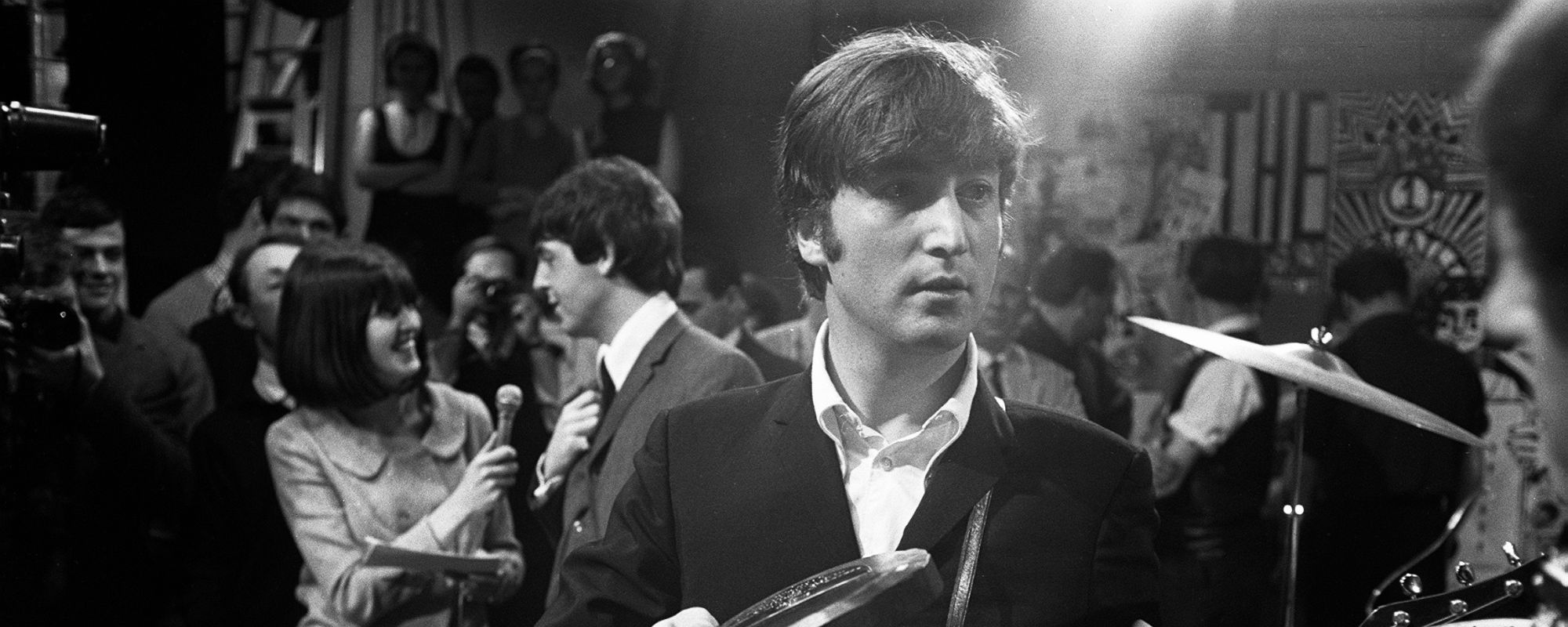
The Beatles were known to draw inspiration from their experiences with LSD, resulting in iconic songs like “Lucy in the Sky With Diamonds” and “Getting Better.” On April 1, 1966, John Lennon, accompanied by Paul McCartney, visited Indica Books & Gallery in London. Although Lennon didn’t find the book he was looking for, the visit led to the creation of the groundbreaking track “Tomorrow Never Knows” from the album Revolver.
Indica Books & Gallery, established in March 1966 with financial support from Paul McCartney, aimed to be a center for the city’s contemporary underground literary and art scene. During Lennon’s visit, he intended to purchase The Portable Nietzsche but ended up leaving with The Psychedelic Experience: A Manual Based On The Tibetan Book Of The Dead by Timothy Leary, Richard Alpert, and Ralph Metzner.
Upon reading the book, Lennon was struck by the line “When in doubt, relax, turn off your mind, float downstream,” which inspired the lyrics for “Tomorrow Never Knows.” The song marked a significant departure for the Beatles, showcasing their innovative studio techniques and experimental sound.
The Beatles’ ability to push the boundaries of music production is evident in “Tomorrow Never Knows,” featuring a reverse guitar melody and no chord changes. Lennon aimed to create a vocal sound reminiscent of a Tibetan monk chanting, leading to the use of a Leslie speaker cabinet in the recording process.
Despite Lennon’s initial unconventional idea of being suspended from the studio ceiling while singing, the band opted for the Leslie speaker cabinet, which ultimately contributed to the unique sound of the track. The recording session for “Tomorrow Never Knows” captured the band’s excitement and experimentation in the studio, resulting in a groundbreaking song that remains a testament to their musical innovation.