JD Vance's Demon Discourse: A Strategic Move in the Pop Culture Landscape
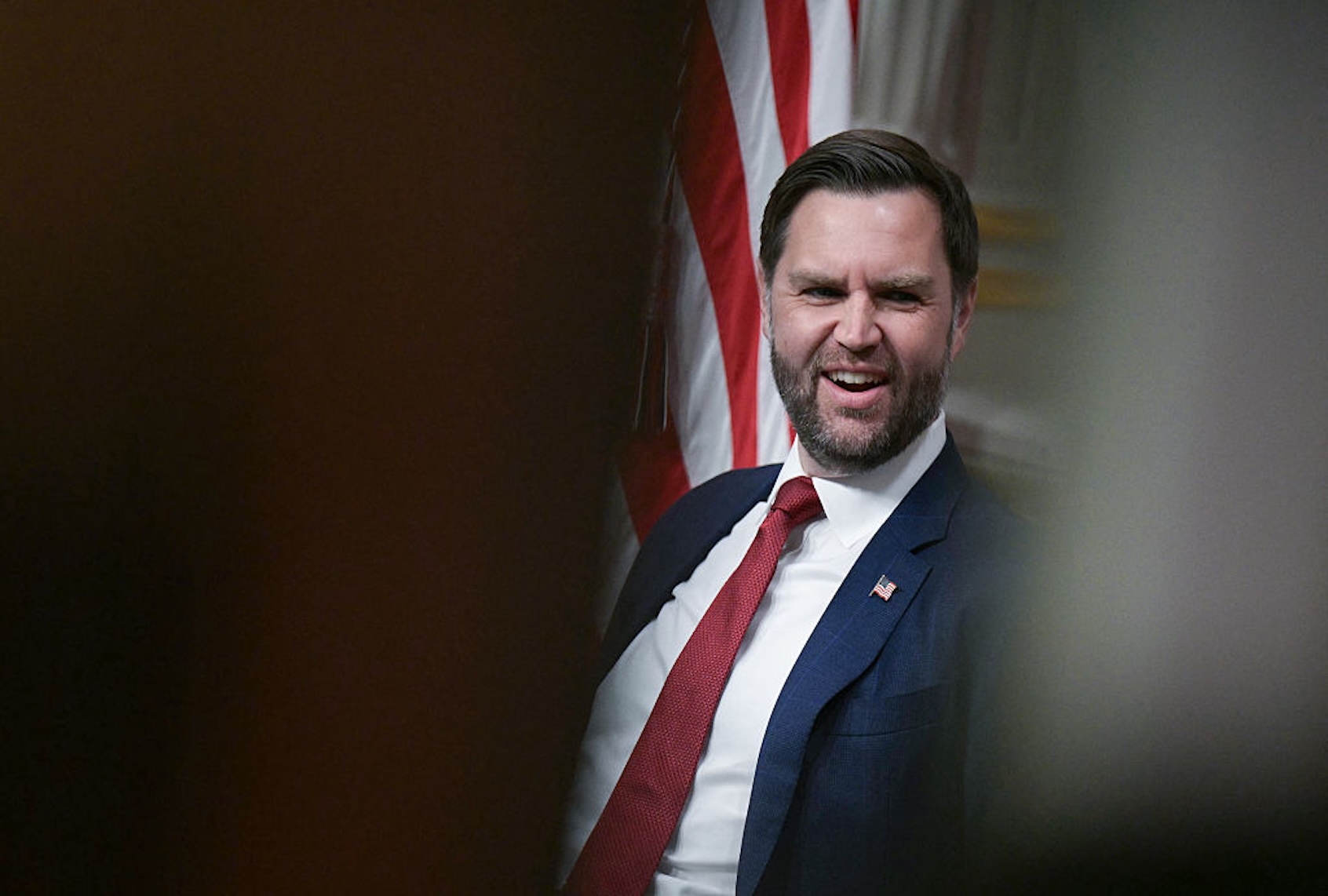
JD Vance recently appeared on a podcast hosted by Benny Johnson, a prominent figure in the MAGA media circle, where they discussed various topics including immigration, Medicaid fraud, and UFOs. Vance expressed his belief that UFOs are actually demons, aligning with his recent announcement of his memoir about his conversion to Catholicism. This move seems to position Vance as a proponent of a more evangelical-flavored Catholicism popular among the MAGA crowd, focusing on themes of Satan and hellfire rather than traditional Catholic values.
The conversation between Vance and Johnson felt rehearsed, with Vance attempting to capture the spontaneous energy seen in former President Obama's recent podcast appearance. Vance's remarks about demons on the podcast may be a strategic move to tap into the current trend of occult themes in pop culture, which includes movies, music, and social media content centered around witches, demons, and Satanism. This trend has gained popularity in recent years, attracting attention and controversy.
Vance's discussion of demons on the podcast reflects a long-standing strategy used by Christian-right activists and politicians to engage with pop culture trends. By aligning themselves with or condemning popular cultural phenomena, these figures seek to attract attention and support from diverse audiences. The Christian right has a history of associating demonic influences with various aspects of pop culture, generating fear and intrigue among audiences.
The appeal of demon-related content in pop culture mirrors the fascination with horror films and spooky themes, drawing attention and potentially financial support, especially from younger audiences. Vance's choice to discuss demons on a podcast associated with youth outreach suggests a strategic effort to connect with a younger demographic and leverage social media algorithms for increased visibility. However, Vance's attempt to align himself with the trend of demon-related content may not necessarily enhance his image or charisma among audiences.