Challenging Presidential Records: Trump Administration's Stance on the 1978 Presidential Records Act
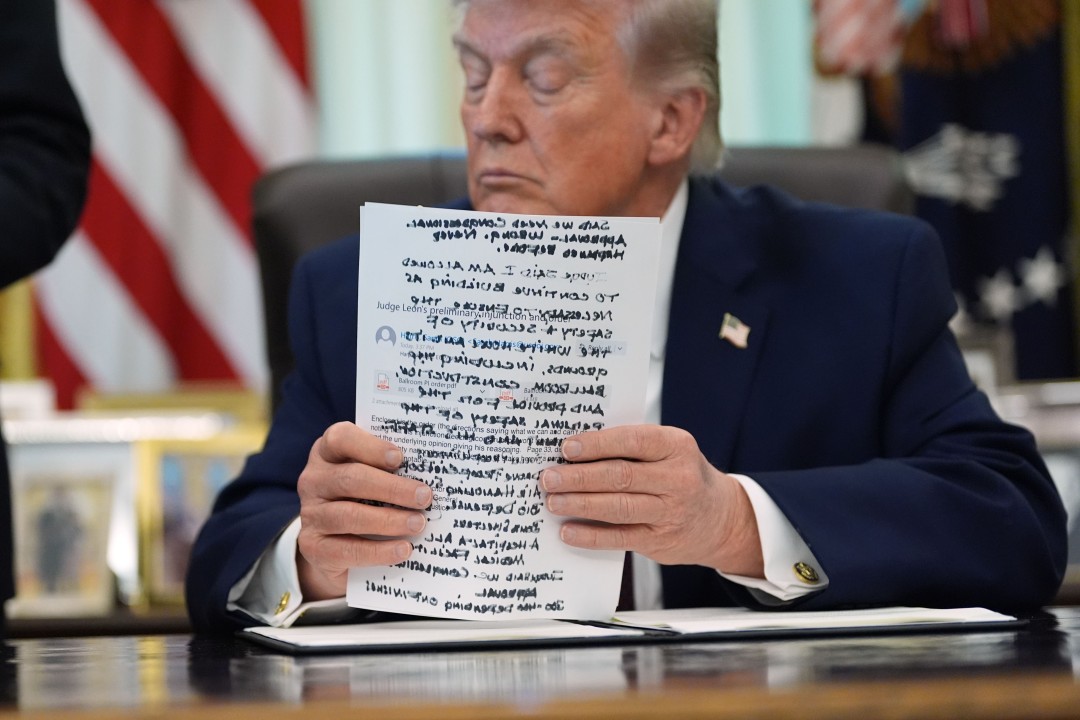
President Trump's administration is challenging the constitutionality of the law governing presidential records, suggesting that Trump may not comply with it when he leaves office. The 1978 Presidential Records Act requires presidents to hand over all official records to the National Archives and Records Administration upon leaving office. A senior White House official argues that this requirement infringes on the executive branch's independence. The official believes that Congress cannot compel the government to save every possible document and suggests that negotiations can provide the necessary information.
The Presidential Records Act was enacted in response to the Watergate scandal and aims to ensure that presidential records belong to the government. Trump's administration's stance on the law comes after the president faced felony charges related to classified documents during his first term. A recent Department of Justice memo revealed that Trump kept highly sensitive records accessible to only a few individuals. Any attempt by Trump to retain records after his term ends is likely to face legal challenges.
It remains uncertain whether the White House will seek to revise the law through Congress or challenge it in court. The administration plans to engage in discussions with the National Archives to determine the next steps regarding presidential records. Trump's approach to handling official records upon leaving office is expected to be closely monitored and may lead to further legal disputes.
In conclusion, President Trump's administration's position on the Presidential Records Act raises concerns about the handling of official records as Trump prepares to leave office. The debate over the constitutionality of the law and the potential legal challenges that may arise underscore the importance of preserving presidential records for transparency and accountability.