Queen's Historic Concert in Budapest: Breaking Boundaries and Making Music History
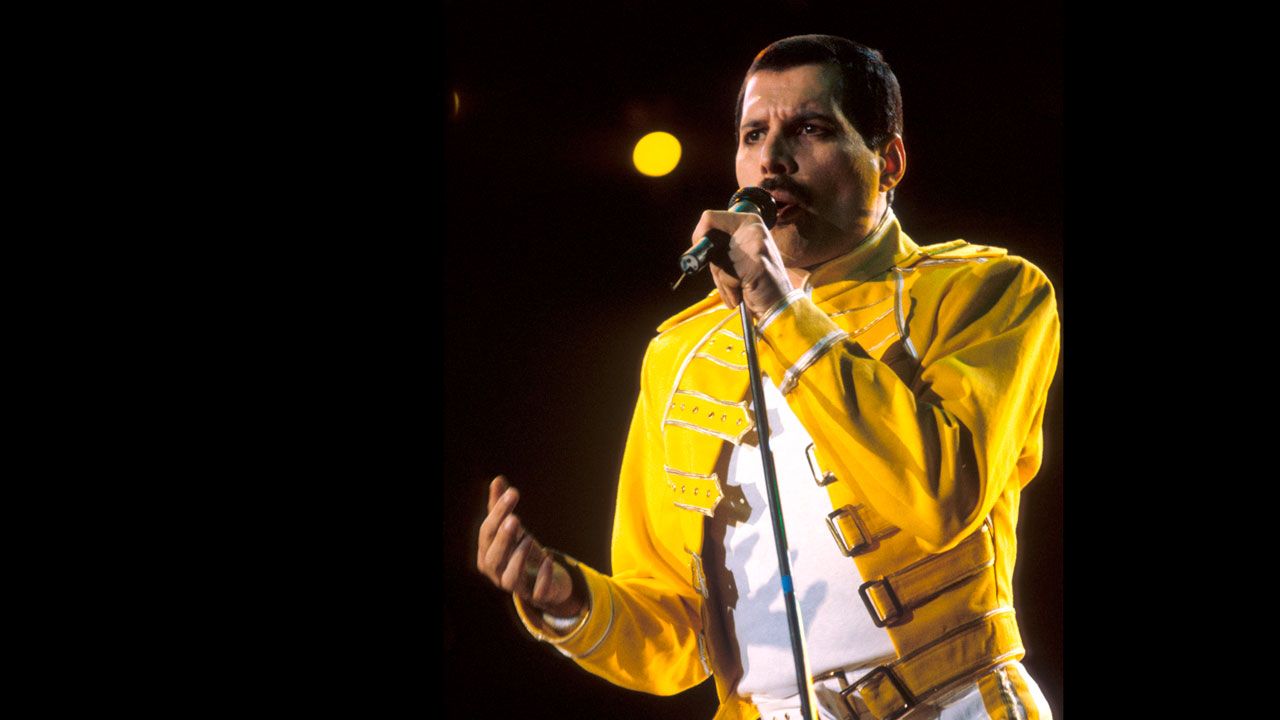
In July 1986, Queen made history by being the first band to perform a stadium show in the communist Eastern Bloc. The iconic rock band took the stage at the Népstadion in Budapest, Hungary, marking a significant cultural event in the region. Queen's decision to play in Budapest was driven by their willingness to take on challenges and seek job satisfaction, even if it meant potential financial losses.
The concert at the People's Stadium was part of Queen's Magic tour and was captured on film for the Magic: Queen In Budapest concert movie and documentary. The British and Hungarian governments saw the event as a way to bridge the gap between East and West, promoting cultural exchange and understanding. Despite some discontent among local fans who felt they had limited access to tickets, the show was a momentous occasion for both the band and the audience.
Queen's arrival in Budapest was met with excitement and media attention, with the band members making a grand entrance on a hydrofoil along the River Danube. The lead singer, Freddie Mercury, known for his flamboyant personality, found himself in uncomfortable situations at official receptions, preferring to avoid political discussions and engage in more light-hearted activities like shopping.
The concert itself was a spectacle, with Queen delivering a powerful performance to a massive crowd inside the stadium and thousands more outside who gathered to listen. Despite the presence of armed soldiers, the audience was captivated by the band's music, especially when they performed a traditional Hungarian folk song, receiving an enthusiastic response from the crowd. Queen's performance in Budapest solidified their reputation as legendary performers and left a lasting impact on the audience.
As Queen left Hungary, Freddie Mercury's cryptic response to a journalist about their potential return hinted at the personal challenges he was facing. Little did anyone know at the time that Mercury was battling the AIDS virus, and the Magic tour would be his final tour with the band. The concert in Budapest became a poignant moment in Queen's history, showcasing their musical prowess and the enduring legacy of their music.
In conclusion, Queen's groundbreaking performance in Budapest in 1986 marked a significant milestone in their career and in the cultural landscape of the Eastern Bloc. The band's willingness to push boundaries and connect with audiences across borders exemplified their commitment to music as a universal language that transcends political divides. The concert in Budapest remains a testament to Queen's enduring legacy and the impact of their music on fans around the world.