Empty Glass: Pete Townshend's Journey to Sobriety and Self-Reflection
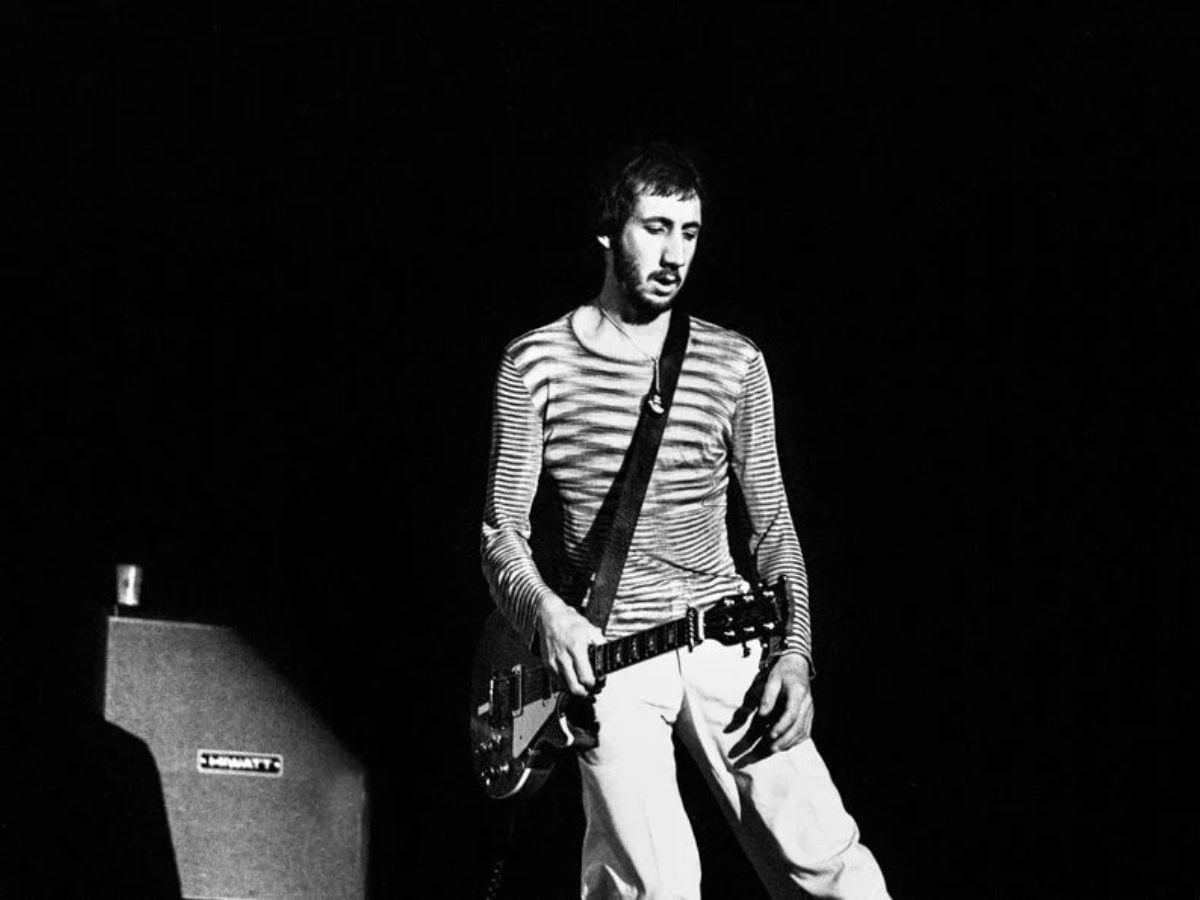
Pete Townshend of The Who found solace in creating concept albums like Tommy and Quadrophenia, immersing himself in storytelling and escaping into a world of his own making. Songwriting allowed him to look outward rather than inward, but his battle with alcoholism forced him to confront his inner turmoil. After becoming sober in 1982, Townshend reflected on his struggles, including the self-destructive period following Keith Moon's death in 1978.
In 1980, Townshend released the solo album Empty Glass as a cry for help, laying bare his struggles with alcoholism and the need for stability and sobriety. Over a decade of sobriety allowed him to revisit the album with a new perspective, acknowledging its significance in his journey to recovery. Despite briefly relapsing in 1993, Townshend has remained sober and views Empty Glass as a reminder of the dark times he overcame.
Empty Glass represents a pivotal moment in Townshend's life, a personal and introspective work that he needed to create for himself. While he considers it a "war medal" symbolizing his past struggles, he has no desire to revisit the pain and challenges that inspired the album. Townshend's pride in Empty Glass is evident, but he values his sober years far more and remains committed to maintaining his sobriety.