From L.A. to NYC: A Cultural Exchange in the Arts Scene
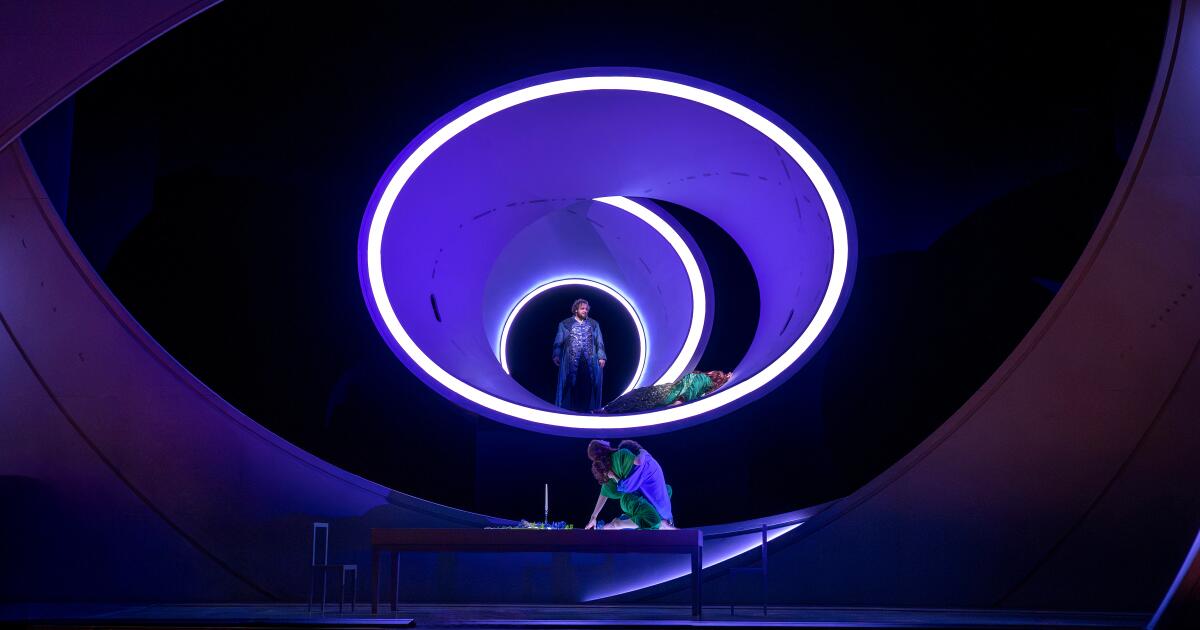
A recent visit to New York from Los Angeles highlighted the stark differences in weather between the two cities. Despite the cold temperatures in Manhattan, Gustavo Dudamel brought a touch of L.A. vibrancy to the New York Philharmonic, setting the stage for his upcoming role as music and artistic director. The Metropolitan Opera, in search of funding and excitement, turned to a new production of Wagner’s “Tristan und Isolde,” directed by Yuval Sharon, known for his work with L.A.’s experimental opera company, the Industry.
Benjamin Millepied’s LA Dance Project also made an appearance in New York with a site-specific performance of “Romeo and Juliet,” originally choreographed for venues in Los Angeles. Dudamel’s influence extended to New York with the release of the Los Angeles Philharmonic’s live recording of Prokofiev’s complete ballet score. Despite challenges facing the arts in L.A., there is a sense of optimism and adventure in the classical music scene, with Dudamel’s leadership setting a positive example.
Dudamel’s recent performances in New York showcased his commitment to civic conscientiousness through powerful musical programs. From Beethoven’s “Eroica” symphony to David Lang’s “the wealth of nations,” Dudamel’s programming reflects a deep engagement with social and political themes. His ambitious plans for the New York Philharmonic involve taking the orchestra out of the concert hall and into the city, mirroring his successful initiatives in Los Angeles.
At the Metropolitan Opera, Yuval Sharon’s production of “Tristan und Isolde” reimagined Wagner’s opera as a series of transformative rituals. Lise Davidsen’s portrayal of Isolde captivated audiences, while Sharon’s innovative staging brought a fresh perspective to the classic work. Despite the Met’s adherence to conventionality, Sharon’s vision and the exceptional performances elevated the production.
In contrast, LA Dance Project’s performance in New York lacked a live orchestra but showcased the dancers’ talent in a different setting. New York also presented avant-garde Japanese dancer Hiroaki Umeda, whose multimedia performance surpassed traditional dance presentations. The Noguchi Museum in Queens highlighted Isamu Noguchi’s visionary projects that were unrealized, serving as a cautionary tale for the importance of supporting artistic visionaries.
As the arts face financial challenges, smaller companies like Long Beach Opera struggle to maintain their programming. The cancellation of Musica Angelica’s Easter performances due to financial constraints underscores the ongoing need for support in the arts community. Despite the obstacles, there is a sense of optimism and resilience in the arts scene, with leaders like Dudamel and Sharon paving the way for innovative and socially conscious performances.