Rock and Politics: The Clash Between Bruce Springsteen and Donald Trump
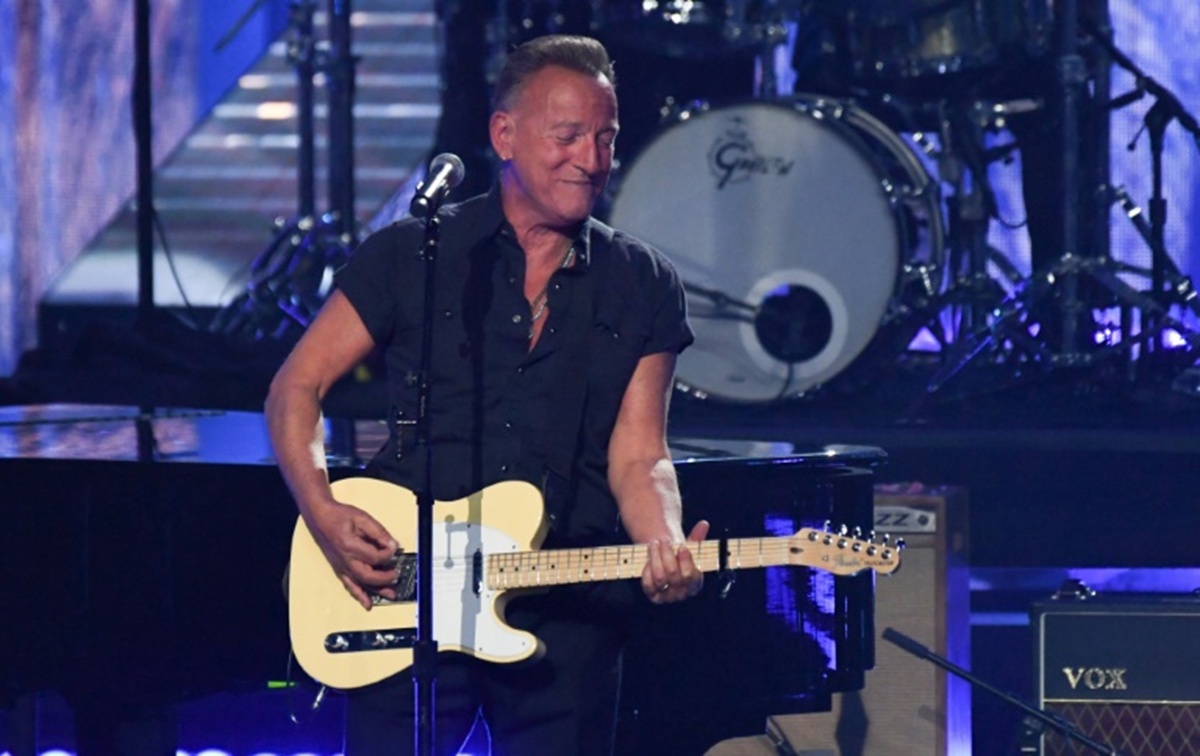
Bruce Springsteen is currently facing a boycott call from Donald Trump following critical comments made by Springsteen about Trump's competence during his recent tour. In response, U.S. music unions have come to Springsteen's defense, highlighting his artistic integrity and professional legacy against political attacks. This clash between the rock icon and the former president is not just another celebrity feud but a collision of brand identities that raises questions about the impact of political boycotts on a legacy act's bottom line.
Trump's criticism of Springsteen extended beyond personal insults to include remarks about the high cost of the tour, labeling it as "worthless" due to the expensive ticket prices. This critique touches on a broader industry trend of dynamic pricing, where ticket costs fluctuate based on demand, resulting in premium-priced tickets for legacy acts like Springsteen. Despite Trump's claims that the tour is overpriced, die-hard fans often view the high cost as a status symbol and are willing to pay a premium for a once-in-a-lifetime experience.
From a business perspective, Trump's call for a boycott may not significantly impact Springsteen's financial standing. The rock icon recently sold his music and publishing rights to Sony Music for an estimated $500 million, diversifying his revenue streams across various platforms. While the tour's economic viability may be questioned, Springsteen's financial independence shields him from the potential effects of a political boycott on ticket sales.
The involvement of the American music union in supporting Springsteen transforms the feud into a labor issue, defending the right of professional musicians to express political opinions without facing economic repercussions. This move aligns with a broader trend of the creative class organizing for better rights and royalties in the entertainment industry. By framing Springsteen as a victim of political bullying, the union leverages his "working man" brand to rally support among fellow musicians.
The clash between Springsteen and Trump represents a battle for the soul of the American heartland, with both figures claiming to champion the struggles of the working class. This conflict serves as a potent marketing tool in the digital age, generating attention and potentially attracting new listeners who view Springsteen as a symbol of resistance. In an industry where values alignment and brand endurance are crucial, Springsteen's music transcends mere artistry to become a statement of defiance and endurance in the face of political adversity.
As the debate continues, the question remains: does a political boycott truly impact an artist of Springsteen's stature, or is it merely background noise in the digital landscape? Share your thoughts in the comments section and join the conversation on the intersection of music, politics, and brand identity in the entertainment industry. Let's delve into this complex and evolving narrative together.