Swedish Authorities Investigate Sea Owl I: Suspected False Flag Operation and Sanctions Breach
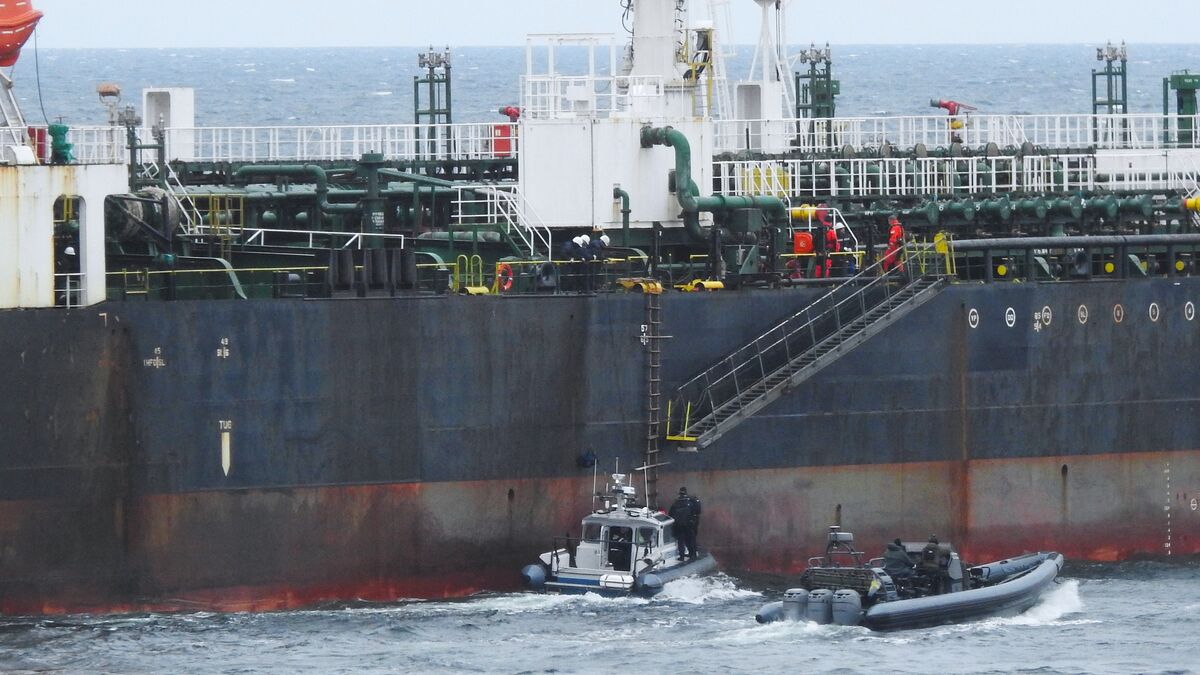
Swedish authorities are currently investigating the Sea Owl I, a vessel captained by a Russian citizen, amid suspicions of operating under a false flag and breaching sanctions. The ship, a product tanker built in 2007, was boarded by the Swedish Coast Guard on March 12, 2026, off the coast of Trelleborg, Sweden. Prosecutors have launched a preliminary investigation against the Russian captain, and the vessel is currently anchored south of Trelleborg as of March 17, 2026.
The Sea Owl I, which is on the European Union sanctions list, was sailing from Santos, Brazil, to Primorsk, Russia, reportedly without cargo. It is registered under the flag of Comoros, an island nation off the east coast of Africa known for being a common registration point for ships suspected of evading sanctions. This incident marks the second vessel boarded by the Swedish Coast Guard in recent weeks as part of the ongoing investigation.
The general cargo vessel Caffa, built in 1997, is also anchored in the same area as the Sea Owl I and was boarded by authorities earlier in March. Ukraine’s Minister of Foreign Affairs Andriy Sybiha commended Sweden's actions against Russia's "shadow fleet" on social media. Western governments are intensifying their scrutiny of vessels involved in transporting Russian goods to prevent sanctions violations.
The operation to board the Sea Owl I involved the National Task Force, the Coast Guard’s national boarding group, and a police helicopter. A preliminary investigation into suspected violations of the Maritime Act related to the vessel's seaworthiness was initiated on March 12. The Swedish Coast Guard is actively pursuing the investigation to ensure compliance with maritime regulations and sanctions.
In conclusion, the ongoing investigation into the Sea Owl I highlights the collaborative efforts of Swedish authorities to address potential violations of sanctions and ensure maritime security. The scrutiny of vessels linked to Russia's "shadow fleet" underscores the importance of upholding international regulations and preventing illicit activities at sea.