California's High-Speed Rail Challenges and Brightline's Vision for the Future
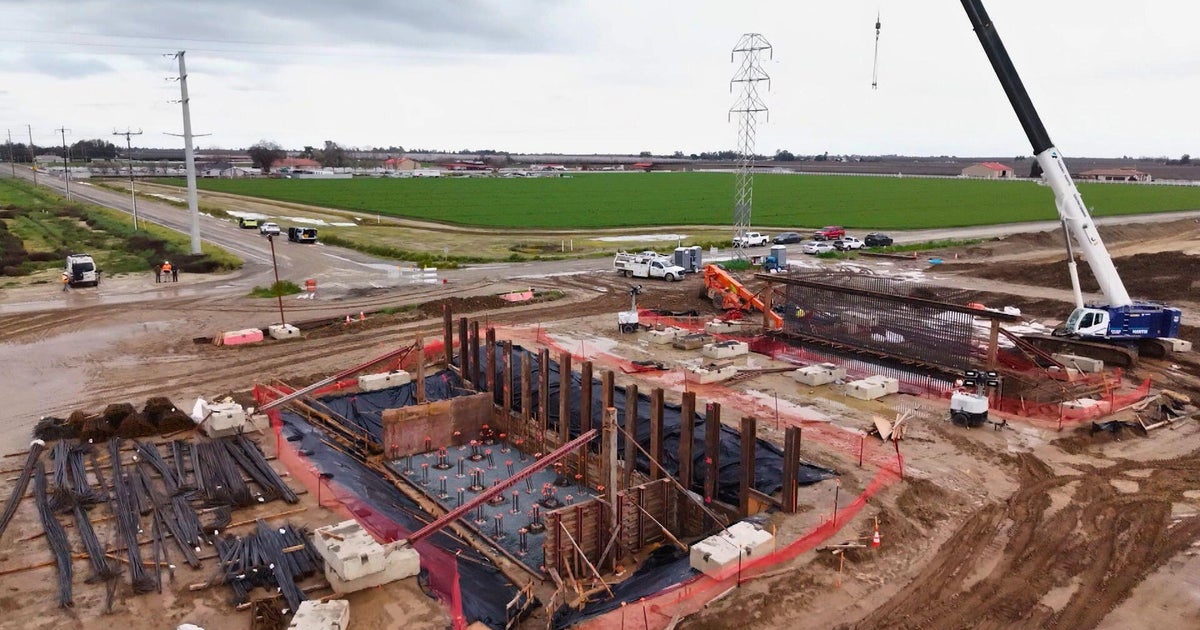
California's high-speed rail project has faced delays and cost overruns, leading to scaled-back ambitions. Originally envisioned to connect Los Angeles and San Francisco by 2020 at a cost of $33 billion, the project now aims to link Bakersfield and Merced by 2033. Political and financial challenges have hindered progress, with the state struggling to secure land rights and navigate environmental regulations. Despite bipartisan pressure to reassess the project, California has chosen to focus on completing the Central Valley segment first.
The history of high-speed rail in the U.S. contrasts with other countries like Japan and Morocco, where efficient rail systems have long been in place. While California's project has faced setbacks, private companies like Brightline are stepping in to fill the gap. Brightline has launched a train service between Miami and Orlando and plans to build a high-speed rail connecting Los Angeles and Las Vegas by 2029. By utilizing existing infrastructure like the I-15 highway median, Brightline aims to avoid the challenges faced by California's project.
Brightline's approach to high-speed rail emphasizes safety and efficiency, with plans to operate at speeds of up to 200 miles per hour. By learning from past experiences in Florida, where train-related fatalities have been a concern, Brightline aims to create a safer and more sustainable rail system out west. Despite financial challenges and concerns about the viability of private rail ventures, Brightline remains optimistic about the future of high-speed rail in the U.S.