The Beatles vs. Engelbert Humperdinck: The Chart Battle of 1967
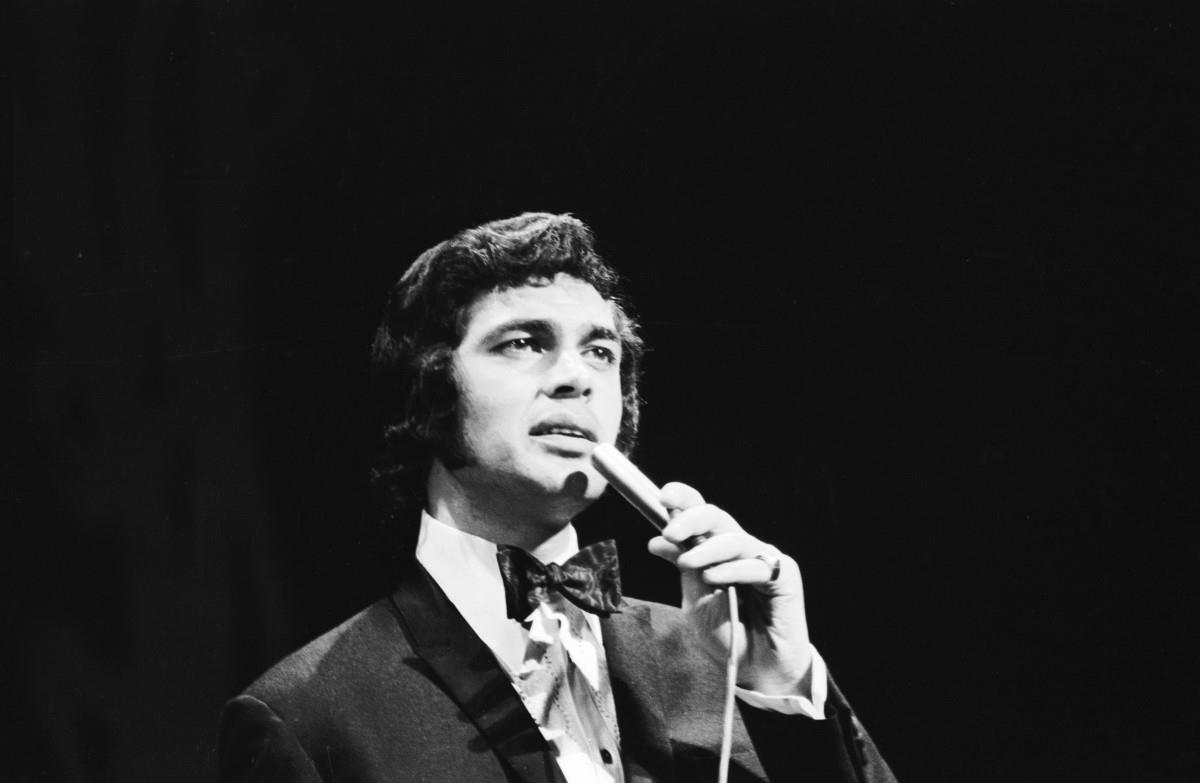
The Beatles, a legendary rock band, faced an unexpected challenge in 1967 when their hit songs "Penny Lane" and "Strawberry Fields Forever" were blocked from reaching the top spot on the U.K. charts by Engelbert Humperdinck's "Release Me." Despite the Beatles' immense popularity and string of #1 hits, Humperdinck's rendition of the country song managed to stay at the top for six weeks, thwarting the Beatles' 12th potential number one hit.
Engelbert Humperdinck, whose real name is Arnold George Dorsey, reflected on the surprising success of "Release Me" in a 2017 interview. He acknowledged the Beatles' dominance in the music industry and expressed his disbelief at surpassing them on the charts. The exposure he gained from a TV variety series, Sunday Night at the London Palladium, propelled "Release Me" to massive success, with thousands of orders pouring in after his performance.
Despite the competitive chart battle, Humperdinck praised Paul McCartney and Ringo Starr for their graciousness and gentlemanly demeanor when they met. He noted that the Beatles did not dwell on the fact that "Release Me" had blocked their path to the top spot, acknowledging their numerous other number one hits with a sense of humor.
In the United States, "Release Me" also made waves, peaking at #4 on the Billboard Hot 100. Humperdinck's appearance on The Ed Sullivan Show further boosted his popularity across the Atlantic, solidifying his success on an international scale. While "Strawberry Fields Forever" reached #8 on the Billboard Hot 100, "Penny Lane" eventually claimed the top spot in the U.S., showcasing the enduring appeal of the Beatles' music.
In a surprising turn of events, Engelbert Humperdinck's "Release Me" managed to outshine the Beatles on the charts, showcasing the unpredictable nature of the music industry. Despite the fierce competition, both artists found success in their own right, leaving a lasting impact on the music landscape of the 1960s.