Navigating the Tax Cut Debate: Democratic Perspectives and Policy Proposals
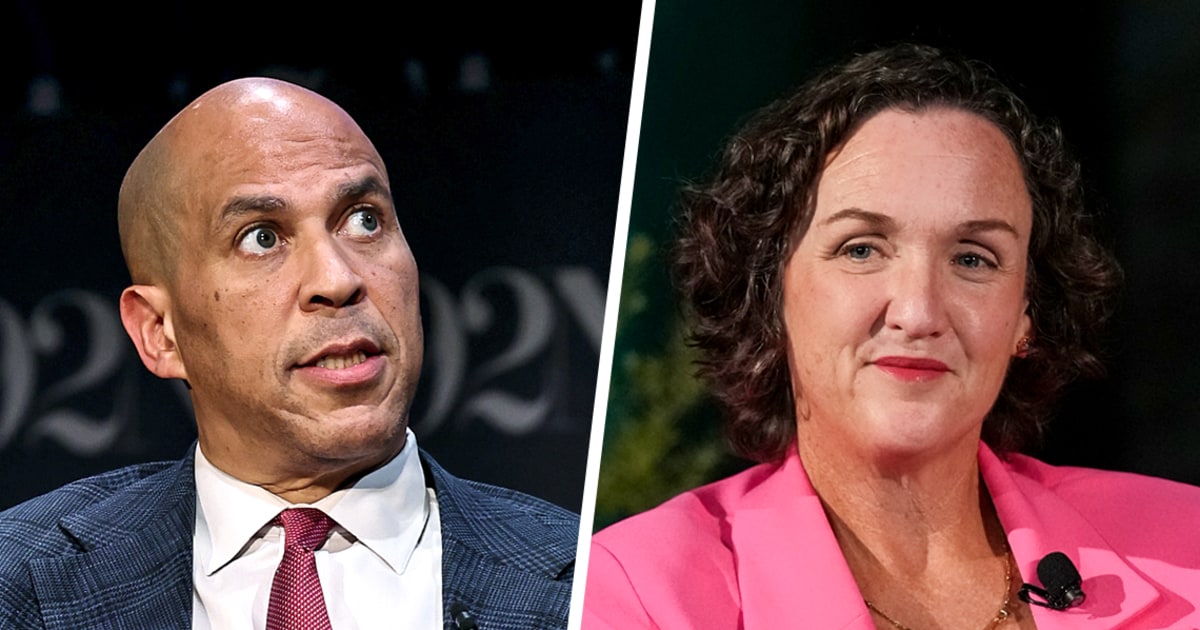
Tax cuts are gaining popularity among Democratic politicians as they aim to address the financial struggles faced by working-class individuals. Various candidates, including Sens. Cory Booker and Chris Van Hollen, are proposing tax cut plans to benefit different income brackets. In California, gubernatorial candidate Katie Porter is advocating for the elimination of state income taxes for families earning up to $100,000 annually. Similarly, Keisha Lance Bottoms in Georgia is focusing on exempting teachers from state income taxes.
However, this trend has sparked a debate within the Democratic Party, with some experts cautioning against the potential consequences of reducing tax revenues. Critics argue that such tax cuts could hinder the party's ability to fund essential social programs and address national priorities effectively. They emphasize the importance of maintaining a broad revenue base to support the party's policy goals.
Progressive voices within the party are also expressing concerns about the shift towards tax cuts, warning that it aligns with a Reagan-era perspective that views taxes negatively. They argue that taxes play a crucial role in funding government initiatives and promoting social welfare. Some Democrats, like Rep. Ro Khanna, are advocating for a vision that emphasizes the government's responsibility to provide essential services to Americans.
The pushback against the tax cut trend is gaining momentum as the party prepares for future elections. Critics believe that focusing on tax cuts as a primary policy platform may not resonate with voters in the long run. They stress the importance of promoting a collective approach to addressing societal challenges and investing in community well-being.
Despite the criticisms, proponents of tax cuts, such as Sen. Chris Van Hollen, defend their proposals as part of a broader tax plan that aims to support individuals struggling to make ends meet. They argue that allowing working-class individuals to keep more of their earnings is a key aspect of a progressive tax policy. Additionally, they advocate for measures like a wealth tax to ensure that the wealthiest individuals contribute their fair share.
As the debate over tax cuts continues within the Democratic Party, candidates are navigating the balance between addressing economic concerns and maintaining a robust revenue base to support social programs. The upcoming elections are likely to feature discussions on the party's approach to taxation and its implications for the future of progressive policies.